Ti West directs Ethan Hawke, Taissa Farmigia and John Travolta in the simple western revenge thriller.
Ti West is the unsung hero of modern genre filmmaking. He may not have directed a classic yet, but equally all his films are a long, long way from being duds. His take on a Western is typically cleanly entertaining. It looks the part, grips even when churning over those sweet old familiar cliches and gives the cast just enough room to imbue their stock roles with bonus personality. Everyone from Hawke’s haunted protagonist down to Burn Gorman’s running joke preacher character shine among the efficient dust and gunsmoke. And if you were scared this precision pastiche is too on the nose as a love letter to the cowboy revenge thriller… then just check out the cutest, most well trained dog ever to grace the big screen. In a Valley of Violence is worth being part of your movie collection just for this little scene stealer alone.
4. Once Upon A Time In The West (1968) 5. Red River (1948) 6. The Outlaw Josey Wales (1975) 7. The Wild Bunch (1969) 8. The Magnificent Seven (1960) 9. Rio Bravo (1959) 10. The Searchers (1956)
Allan Moyle directs Trini Alvarado, Robin Johnson and Tim Curry in this teen movie about underage runaways who bond together and form a punk movement despite their divergent upbringing.
A flawed gem. For example – for a punk film, the soundtrack is decidedly New Wave. It doesn’t always convince – the unmentioned but obvious lesbian romance the girls are in, the strip bar where one innocently works, the meandering motivations of the adults. None of this stuff rings true and all slow things down. But when it is two kids rebelling, breaking out, making their (terrible) music it has a keen, seductive energy. The seedy corrupt Times Square where most of the location works takes place doesn’t exist any more. It looks vibrant and terrifying in films like this, Basket Case and They Might Be Giants. Tim Curry is good value as a radio DJ who wants to empower / exploit the girls. Robin Johnson should have been the breakout star of this, every frame of her brims with attitude and spunk.
Gus Van Sant directs Joaquin Phoenix, Jonah Hill and Rooney Mara in this real life tale of alcoholic / paraplegic / cartoonist John Callahan.
A very choppy, off putting experience. It wants to be an uplifting tale of recovery through art that retains a gallows humour and hipster detachment from manipulation. It plays like failed awards whore. The film is at its best when out living it large on a tragic bender with its doomed protagonist. Phoenix is just about fine in a role that often comes across as mawkish, badgering and self serving but his co stars (Hill, Mara, Jack Black) all interact with him with so little chemistry and so much etherealness that you are waiting for one or all three to reveal themselves as a fantasy figure. When nearly all of your big name supports ring so so false I assumed they are figments of the lead’s imagination then you know something has gone fundamentally wrong translating the narrative to screen. Neither a story well told nor particularly worth telling (some of his cartoons are snort inducing but I doubt we’d be watching a film about John Callahan the able bodied, sober, satirist).
Louis Malle directs Burt Lancaster, Susan Sarandon and Kate Reid in this romantic neo-noir where a pensioner with dusty ties to the underworld and a self improving trainee croupier find themselves entangled in a drug deal in the derelict resort city.
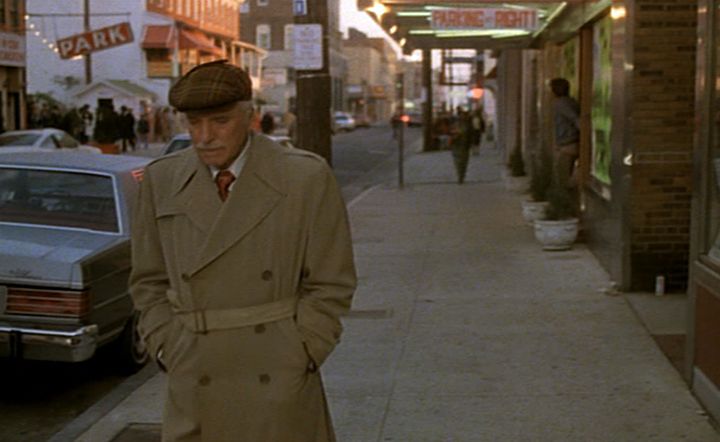
Malle takes a disparate set of classic crime story background characters and promotes them to the forefront in a tale of compromise, attraction and arrogance. Lancaster is wonderful as the old numbers runner who finds himself with a score and a moll bunged into his lap. He embraces the risk and the glamour and the freedom, revitalised by the scam and the young neighbour dragged into his orbit. As Atlantic City is torn down and sanitised around them, these two dreamers live it large and go on the run. Malle isn’t solely about wish fulfilment. He’s no fairy godmother to his hustlers’ desires and audiences’ whims. As the lovers and dealers begin to disengage and get on with their lives a healthy dose of reality drops in. We love the white suited, fedora wearing gangster Lancaster easily inhabits with a movie star’s panache but know the mediocre coward of the written character is still hidden under the manners and fineries. His resigned acceptance when Sarandon abandons him with the score in her suitcase suggests dreams are for the young. If you aren’t living in your dream by the time you are grey and old, best to let the kids have them. Malle also delivers an intense chase sequence in an automated car park structure that thrills. A fine film.
So I used Letterboxd this week to catalogue all the DVDs and Blu Rays I currently own. 1400+ in case you are wondering. We live in a one bedroom flat that now looks like Blockbuster Video after an earthquake. My wife loves this.
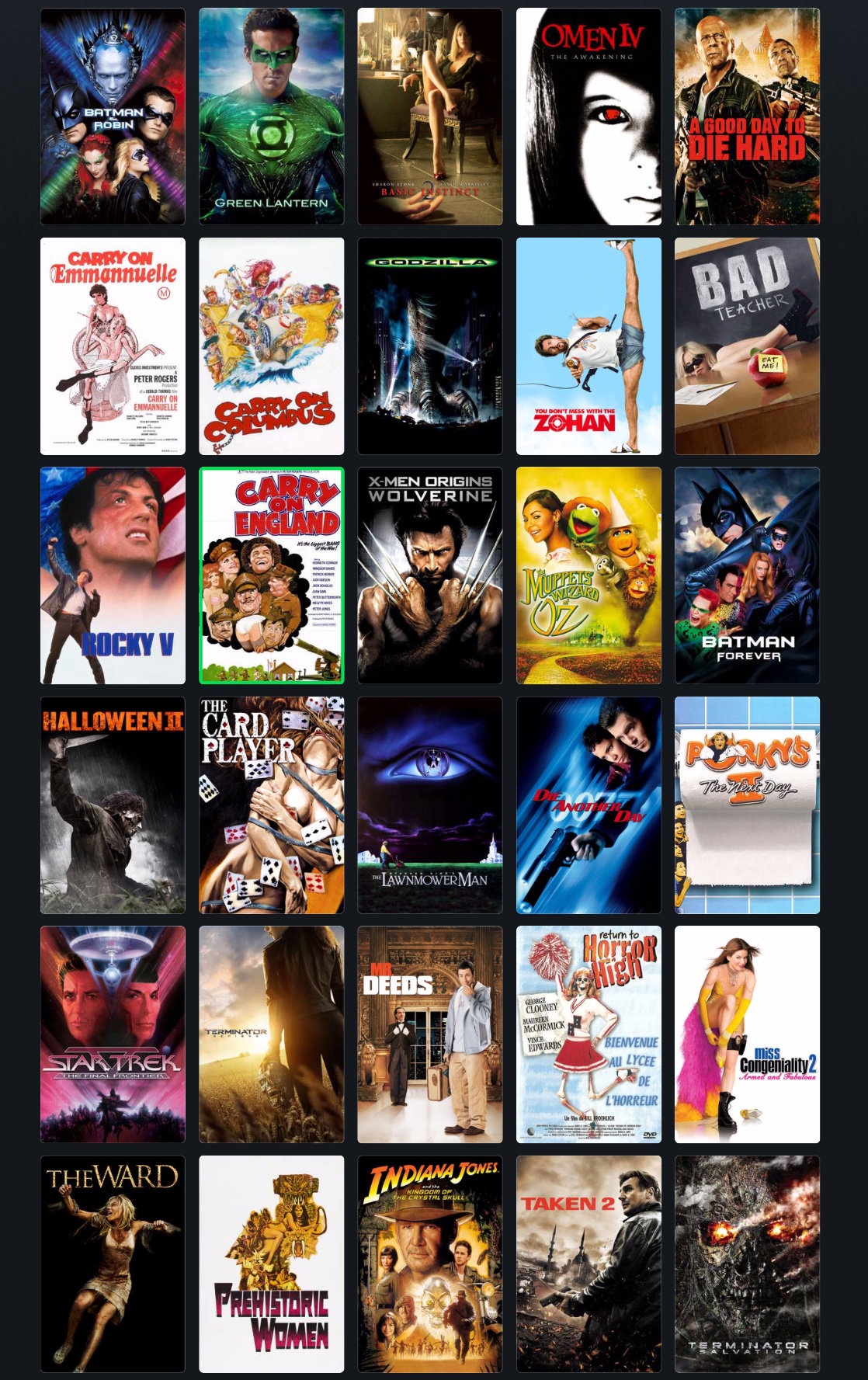
One smart feature is I can arrange the list by release date or length or my own rating. And all the other users of Letterboxd (a more pretentious but social IMDb in case you haven’t used it) average ratings too. According to their collective rankings, these are the lowest scoring works of cinema I own.
About half are the deadwood of boxsets that house better movies or are low points in film series I own in entirety for completion’s sake. Of those there’s 6 I haven’t even gotten around to watching… yet. Expect reviews of Omen IV, Carry on Emmannuelle & England, Muppets Wizard of Oz, The Card Player and Prehistoric Women in 2019.
Two are Porky’s II: The Next Day and Miss Congeniality 2: Armed and Fabulous, both of which officially belong to my wife. What’s mine is yours and vice versa.*
I do question Green Lantern, Godzilla, Bad Teacher, Rob Zombie’s Halloween II, The Ward, Indy IV, both recent Terminators and both Adam Sandler flicks’ gutter placings. I know none are universally beloved but all are watchable and not made too cynically even as franchise cash-ins. Entertainment wise they do the same job as any other perfectly alright movie which arrived without the burdensome weight of expectations.
If I was to die on a hill for any of them then I’d say Mr Deeds has far more charm, invention and laugh out loud moments than most comedies made in the last 15 years.
And not to be tarred as overly positive about the dregs of my collection, I actively hate A Good Day to Die Hard and Batman Forever. It will be a struggle to sit through either again. Yet own them I do and will.
Anyway, these dirty thirty represent the shameful nadir of my obsessive movie collecting. What shit sits proudly on your shelf, right now?
*We don’t own Judge Reinhold and Fred Savage starrer Vice Versa… but if we did I reckon Terminator: Salvation would be promoted from this list. I must scour the charity shops of Dalry to rectify this soon.
Nicolas Roeg directs Theresa Russell, Art Garfunkel and Harvey Keitel in this dark psychological drama about an academic who starts an affair with a troubled woman in Vienna.
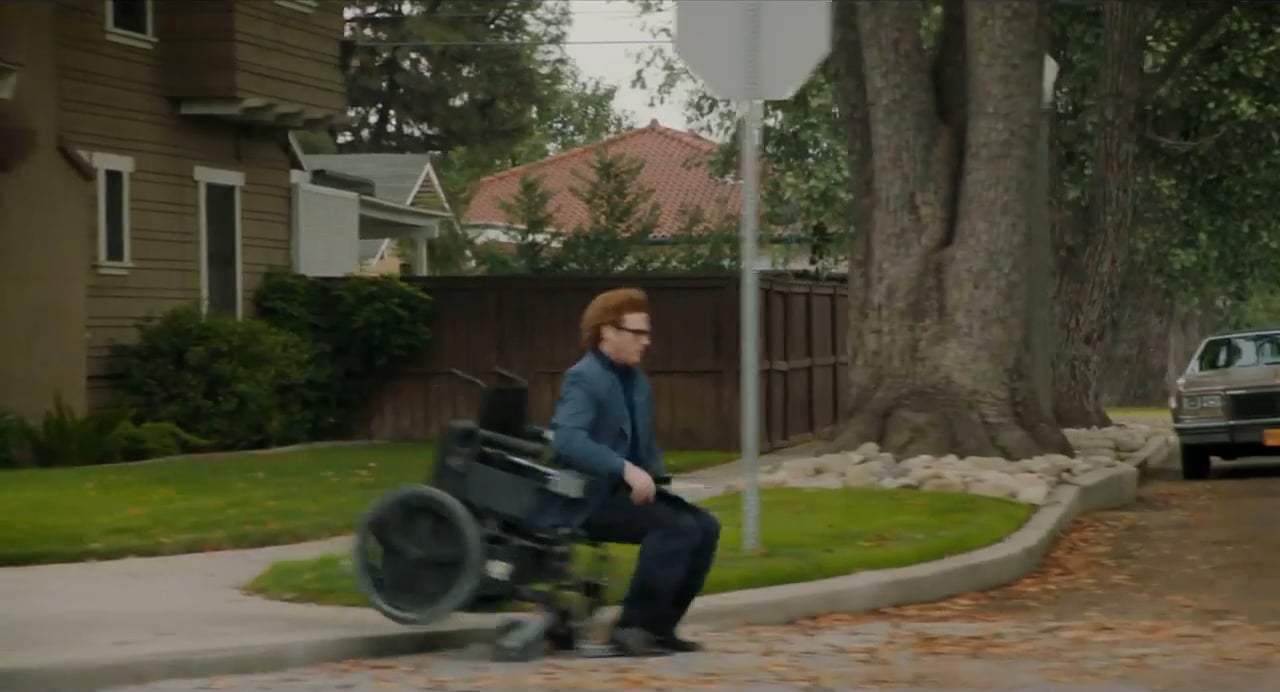
I originally watched this as part of the Moviedrome series on the BBC. It was a bit too complex for my immature mind to fully comprehend but flashes from it have stayed in the memory cells for decades. Happenstance meant I revisited it on the day Nicolas Roeg died. Strangers in a stranger land, drawn to their fates like moths to beautiful flames. It is visually stunning, featuring all of his trademark time jumps and that sweet, sweet fractural storytelling prowess you’d expect. Russell is fantastic as the unstable woman trying to be free of controlling men. It feels very prescient. I get the inkling this is the kind of art film Kubrick wanted to make from Eye Wide Shut. The looks and themes and the perverse desperation are all here. Roeg’s work didn’t just beat the Master to punch by two decades, his is the more red blooded piece, vibrant and begging for rediscovery.
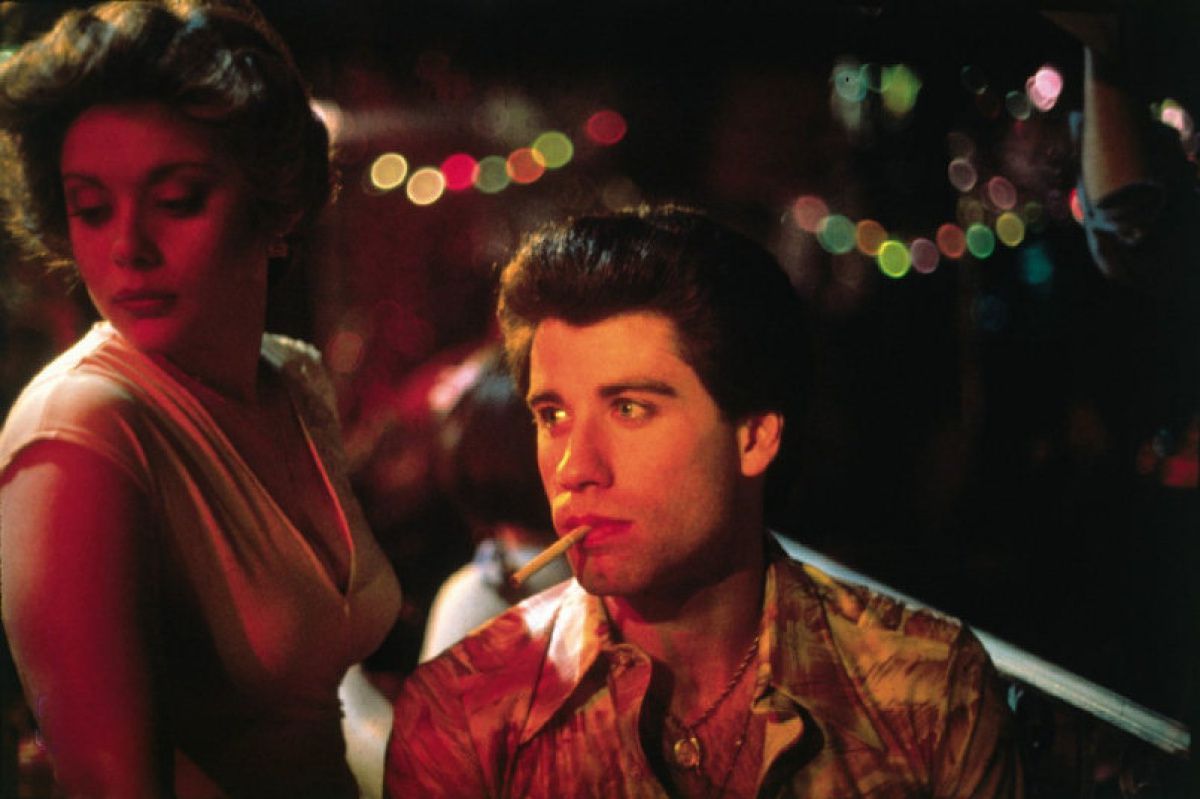
John Badham directs John Travolta, Karen Lynn Gorney and Donna Pescow in the iconic film of the disco era.
The dance sequences get boring very quick. The music is fantastic. The disco itself manages to capture the seedy excess of the scene. The dancing seems to takeover the characters at times, like they are well co-ordinated zombies. A time capsule. Someone has stuffed in a load of rape, racism, self loathing and abortion from 1977 into the time capsule too. The framing story is a sexist mess, too schizophrenic to concentrate on any single thread long enough for it to have purposeful meaning. For example… the last ten minutes see; A nice girl has a train run on her in the backseat of a car. She protests but all our lead can do is look forward out the windscreen. Suddenly another troubled character darts out the driver’s side and kills himself and she, a witness to this death, is being comforted and taken home by her rapists. It is a wake up call for thrusting but strangely frigid John Travolta… he gets the subway to his pretentious dance partner’s house, holds her hand in the sunlight of Manhattan and agrees to be her friend. Has he learnt to respect women? Or just that living on the wrong side of the bridge will turn you into a suicide case or a rape victim? Where the fuck did his brother go after the first 40 minutes? His night at the 2001 Odyssey club wasn’t so awful that he ran out of the film like he did the priesthood, did he? Visuals that define an era, dialogue by madman genius Norman Wexler… nothing to see here that Mean Streets or A Bronx Tale doesn’t do with more class, heart and soul.
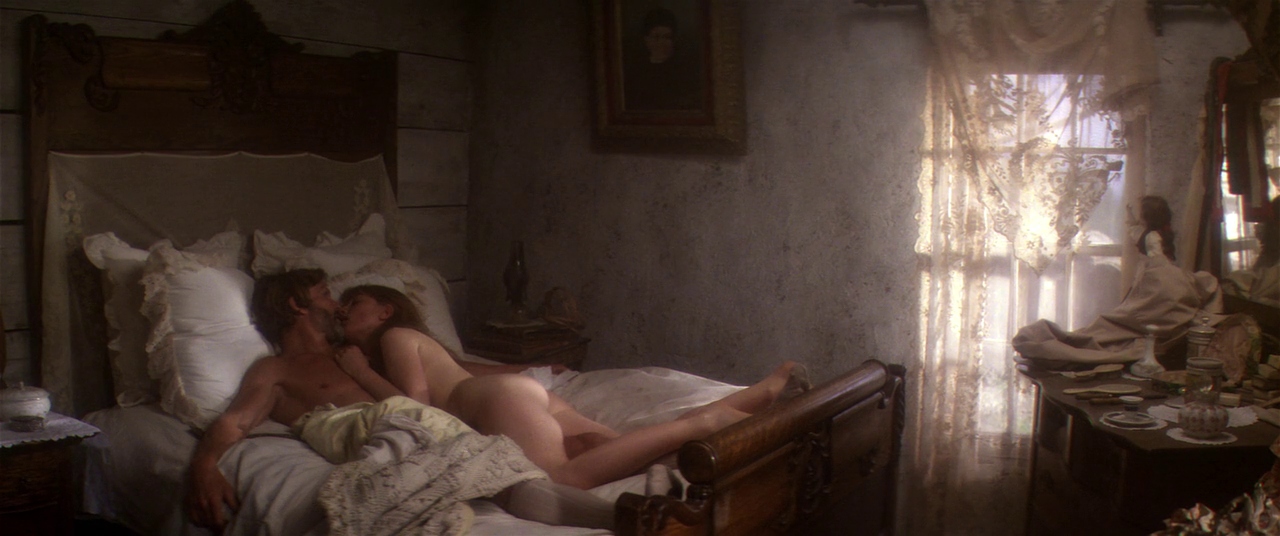
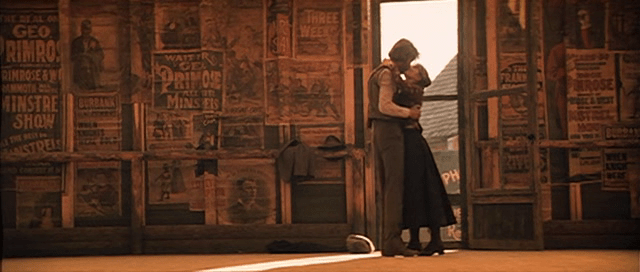
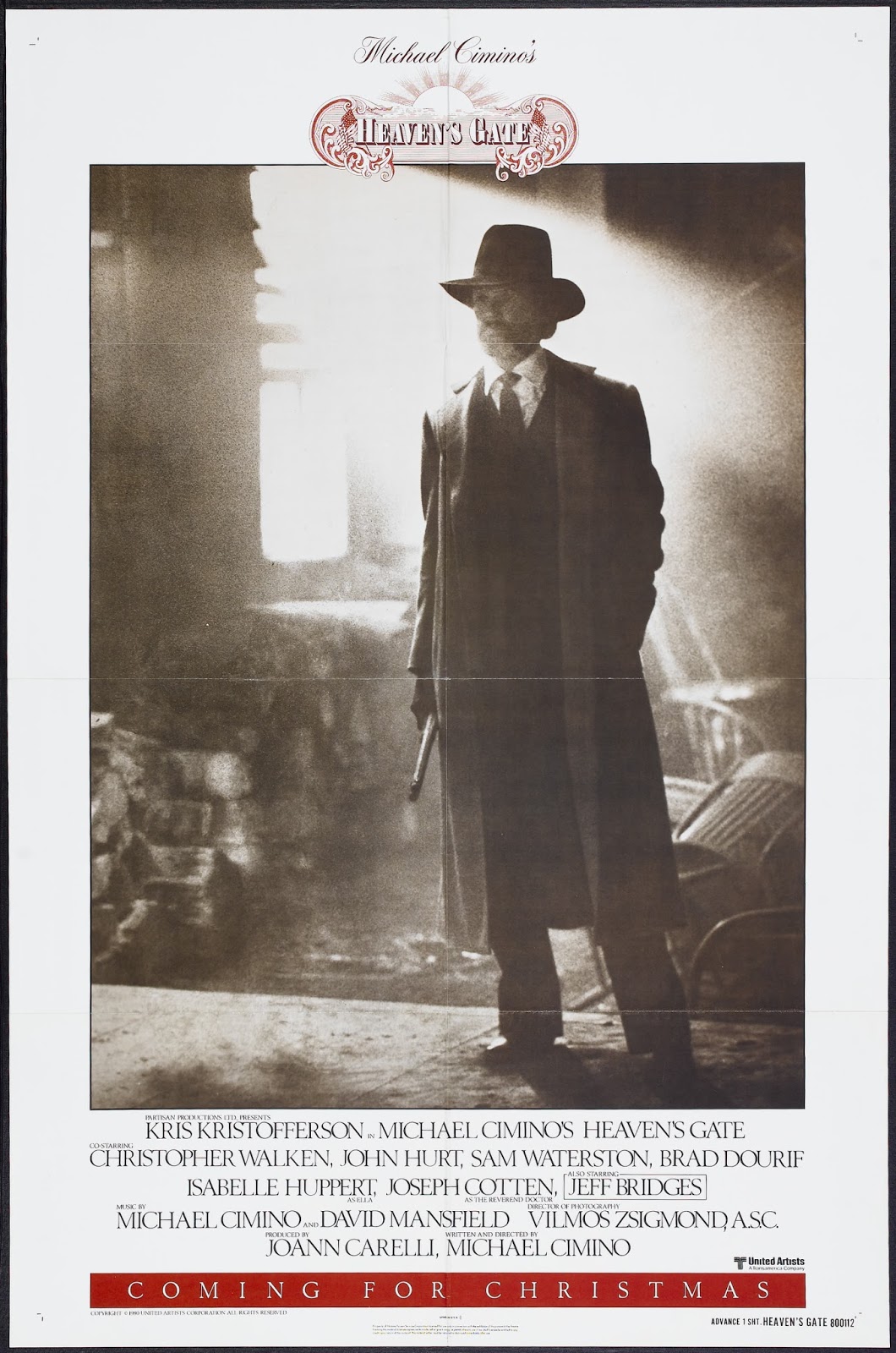
Michael Cimino directs Kris Kristofferson, Isabelle Huppert and Christopher Walken in the epic Western where a frontier US marshal and brothel madame protect their neighbours from a government sanctioned death squad hired by the cattle barons of Wyoming.
I probably first watched Heaven’s Gate at about fifteen or sixteen. Its reputation was one of a notorious flop. I found it tedious. And I’m guessing that’s the two and half hour version.
After watching the three and half hour original release this time, I read Steven Bach’s book Final Cut. Bach was de facto Head of Production at United Artists during the debacle. He details the studio’s legacy of supporting work of artistic merit and creative freedom. The politics of the era that saw the company owned by financial giant, Transamerica, and lose the business leaders who fostered that fine reputation. The new execs greenlit Heaven’s Gate on the strength of Cimino’s unreleased but hotly tipped The Deer Hunter. They had inklings from the off that he was troublesome, excessive, slow working and evasive. But they wanted to prove that United Artists could still secure and collaborate with directors of note. The $11 million they sanctioned for Cimino’s next project, an unfashionable love triangle western, turned into a money pit. The final tally was closer to $40 million, a film reviled in the press, that was pulled from its release to have an hour hacked out of it, a studio that was sold off to MGM in the aftermath, and anyone associated with the film behind the scenes stuggling to find meaningful work again.
Does Heaven’s Gate deserve its reputation as a studio killer? The death blow to a Hollywood that produced big budget mature fare by directors of vision? Looking at Bach’s book dispassionately these overspends were symptomatic of the early 1980s. Production costs and inflation rapidly tripled many major movies projected final cost from script to release. The problem with Cimino was he lacked humility and generated hubris. His film was always unlikely to find an audience, his attitude unlikely to seduce the critics and his fractious working relationships produced little loyalty. You can read Bach’s book as a defence of the suits, finding them strapped into a rollercoaster they knew would derail before it finished its loop yet with little practical recourse but to ride it out. Bach makes a good case that Cimino was combative and impractical to the point of madness. Isn’t that just an easy scapegoat? An “It wasn’t me” defence from someone equally as culpable? You do mull it over reading the book (and if you are interested in film history it is an excellent one).
Is Cimino being thrown under the bus for all of Tinseltown’s overspends and executive clashes? But then you only have to read about Cimino’s later troubles on The Sicilian, where he again worked slow, blew his funds, produced a film well over its stipulated running time, lied about his previous deals to gain creative freedom and in an act of petulance delivered a final cut with all the expensive, marketable action cut out to spite the producers and fulfil his contract… you have to admit the guy, though talented, was a bit of a prick.
A bit of prick that made a beautiful turkey. Heven’s Gate is gorgeous. The magic hour skies and the sepia interiors sing to your eyes. Isabelle Huppert is luminous in her role as the prostitute turned warrior woman. She’s the best thing in it, especially considering how cruel Steven Bach is about her begrudged casting in the book… he compares her to “a potato”. There is a fabulous but entirely unnecessary wooden roller disco sequence. Walken gets a few iconic shots. His introduction for example, framed in bullet hole, is chilling and lasting.
Yet Heaven’s Gate still is really tedious at junctures. It grinds its wheels, contrarily avoids getting the plot moving, the lengthy Harvard prologue and pointless epilogue exist only to make it seem more than a western… put a robot narrating it and an alien on the poster… it is and always will be a western. The muddy battle sequences last an hour but seem parodically cruel and directionless. I’m pretty sure the resolution is everyone just eventually gives up. Visually, cinematographer Vilmos Zsigmond saves this film. Whether capturing the wide open landscapes, the dusty sundappled sets or Huppert’s curvy young flesh, he produces aesthetic magic. The trudge of no plot, then half hearted romantic entanglements and then wearying battles get in the way of the glorious look of a movie untethered by caring about who is paying for it… at either end of its economic life cycle.
Fede Álvarez directs Claire Foy, Stephen Merchant and Sylvia Hoeks in this sequel / reboot to The Girl With the Dragon Tattoo where our closed off vigilante hacker finds a face from her past trying to steal a program that accesses the world’s nuclear arsenal.
I would question whether there was much appetite for a third incarnation of the Lisbeth Salander brand this decade. The movie ticket buying public seemingly agree. A $33 million worldwide final tally is awful… It is the kind of figure a release like this should coin in its first domestic weekend. Where was the demand? Or the benefit in rebooting quite so soon? The Noomi Rapace Swedish originals gave us an exciting actress in a lead role. Fincher’s quick on its heels Hollywood remake was slick yet faithfully grim to the gripping mystery, opening up a good story and great protagonist to a wider audience with elan. But 5 years down the line the publishing fad seems to have tuckered itself out and whatever fertile elements that could be reseeded into a future series haven’t be given long enough to lay fallow. The casting of Claire Foy (who comes across more as a stroppy schoolboy rather than the enigmatic, sexually aggressive hero that makes the source material so intriguing) isn’t exactly a big enough name to justify the early gamble. I would have marketed it less on the franchise’s questionable appeal and more as the latest thriller from the director of the Evil Dead reboot and Don’t Breathe. Both those movies made the kinda box office Sony would want here. Alvarez marshalls inventive set pieces and gathers a strong arthouse support cast. He even gifts us a few utterly chilling images… dank souvenirs that will stay with us long after the diluted 007 plot fades from the memory. There’s a gripping little thriller here, entertaining moment from moment, well worth a watch… but as a slave to its franchise this feels counterproductive.





 Bobby Carroll's Movie Diary