1985 Round-Up
Rocky IV (1985)
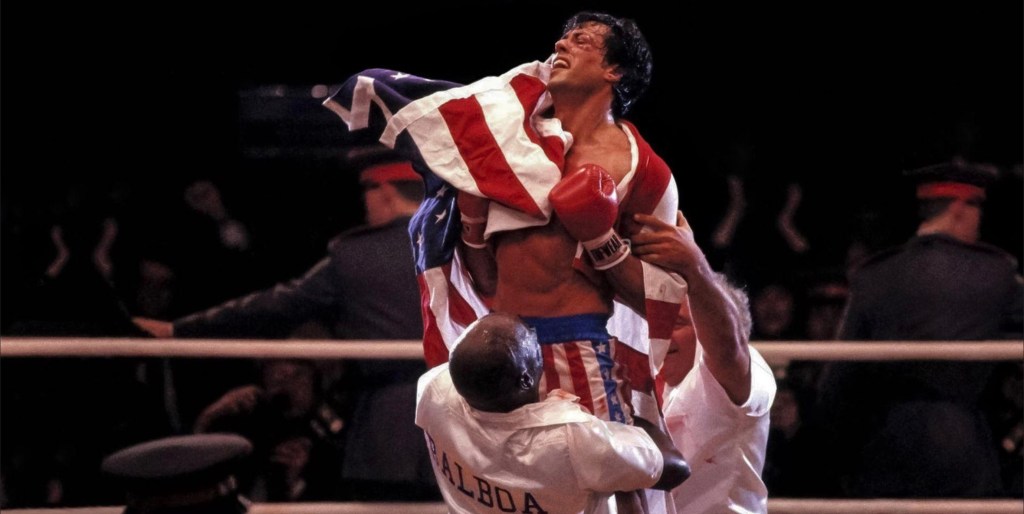
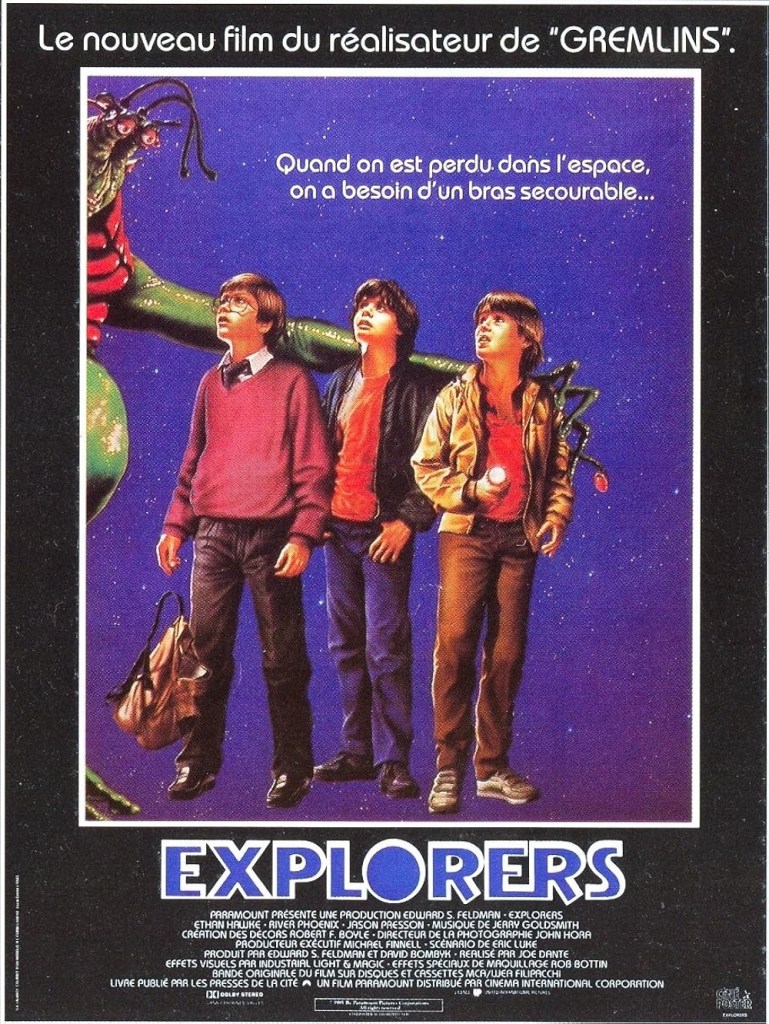
Sylvester Stallone directs himself, Carl Weathers and Dolph Lundgren in this boxing sequel where a new challenger has stepped forward: Drago, a 6-foot-7, 261-pound European boxer who has the backing of the Soviet Union.
The one with the robot. The one with 35% montages. The one with the most memorable villain. The Reagan era politics stink this one out a bit too much. An artefact that only becomes entertaining once we head to the Soviet winterlands… but then rushes the visually exciting training in the snow to get to that predictable, inevitable fight night. Naff but iconic.
5
Explorers (1985)
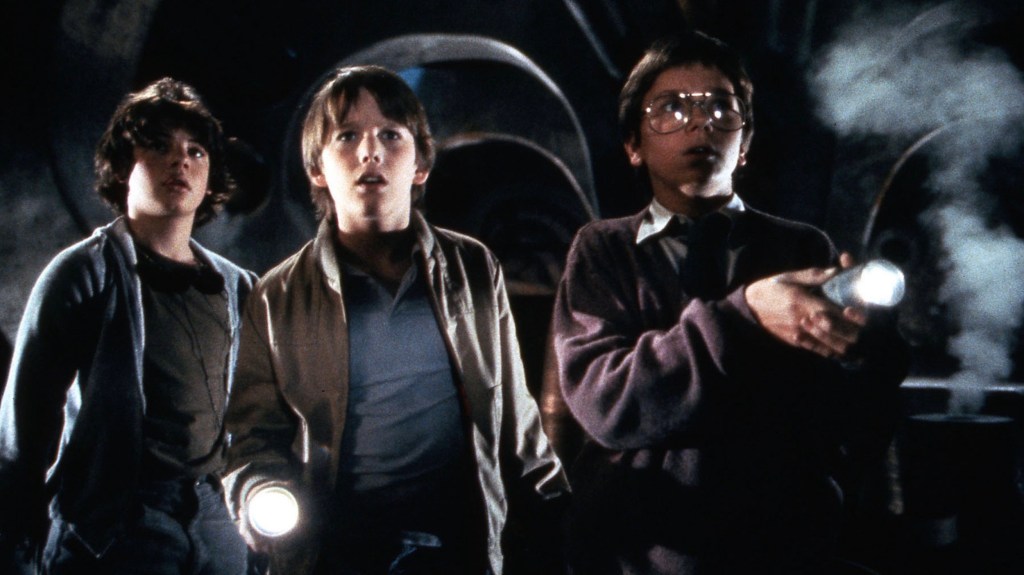
Joe Dante directs Ethan Hawke, River Phoenix and Jason Presson in this family sci-fi adventure where three boys use an amazing discovery to build their own spaceship and launch themselves on a fantastic interplanetary journey.
This was on heavy rotation during my childhood. We had it taped off telly and watched it a lot. A game of two halves. The Amblin suburban kids do weird inter-dimensional science first half has the wonder. The close encounter that follows is… well…. No spoilers… but it’s it own thing. Not terrible, just not what you’d expect. Phoenix and Hawke are prescient casting choices but feel like they’d more comfortable in each other’s roles. They guarantee this stays a rewatchable 40 years later. Nostalgia X Contact For Kids.
7
Lifeforce (1984)

Tobe Hooper directs Steve Railsback, Mathilda May and Peter Firth in this in this sci-fi horror that imagines what would happen if a nude, nubile space vampire took over London.
Barmy yet dull. The constant full frontal nudity from Mathilda May has always been the selling point. She strides through government installations and your dreams sucking the very essence out of mere mortal men. Titties and mega muff first! There is a shocking amount of IMDB trivia entries about Tobe Hooper’s deliberations over her pubic hair. The movie around it is very drab and bureaucratic. Then… all hell breaks loose for the last ten minutes but not in a coherent way. Strange, unloveable apocalyptic movie… needs a decent male lead.
4
Pale Rider (1985)
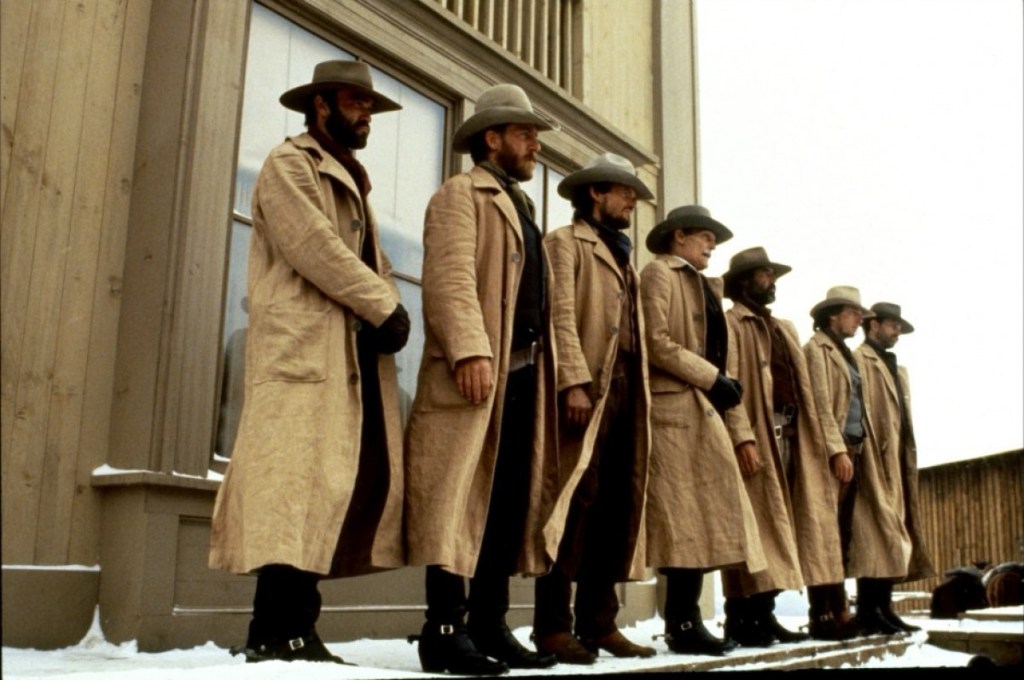
Clint Eastwood directs himself, Michael Moriarty and Carrie Snodgress in this western where a mysterious preacher protects gold miners from villains.
Quintessential Clint. He had taken a sabbatical from the western genre for a decade. Why is he back in the saddle? City Heat? This now feels like a warm up for Unforgiven. Proof there still is an audience for Eastwood with six shooters and stand offs. The wintery setting is very evocative. The big finale comes straight out of a comic book and there ain’t nothing wrong with that! Even if you take it as a mere sketch or an image adjustment for the bonafide classic to come, Pale Rider does just about everything you want from a modern cowboy blockbuster.
8
The Supergrass (1985)
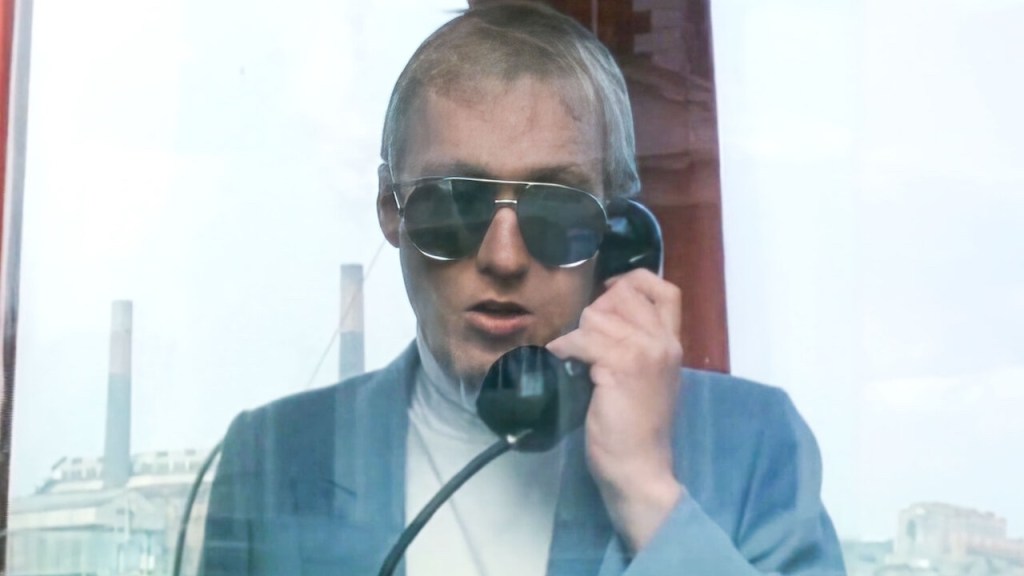
Peter Richardson directs Adrian Edmondson, Jennifer Saunders and Robbie Coltrane in this British crime caper where a socially-inept man lies his way into the police believing he’s a high-rolling drug smuggler in exchange for money and a holiday.
A very good British crime caper movie. Lowkey but with some definitive moments. Yeah… I’m thinking of Robbie Coltrane striding along the perilous breakwater with huge waves rising up around him. Edmondson as the hapless oik is a funny numbskull lead. The deadpan love triangle is particularly fruitful. It all works and feels defiantly more cinematic than the usual The Comic Strip Presents… sitcom / TV spoof settings. Has a little heart about it too. That always keeps these things fresh.
7