Stalker (1979)

F4A6D842-6779-4ED6-8048-0355F0F11E06

Andrei Tarkovsky directs Aleksandr Kajdanovsky, Anatoliy Solonitsyn and Nikolay Grinko this arty Russian sci-fi about a man who illegally guides a scientist and a writer into a forbidden zone that defies the laws of time and physics. 

As of the start of the new year, I have been making a more regimented effort to watch classic and foreign films I have missed out on so far. Many of these will be works considered “the greatest” by critics, that I always suspected might be too pretentious for me. My tastes are rigidly populist and I primarily judge a movie’s merits based on how well it entertains and what risks and successes it creates with that audience aware intention in mind. I do think good cinema should make you think, increase your understanding of the world and the human condition, manipulate your emotions… but never at the expense of being… for want of a better word… fun. Stalker, and from what I’ve experienced so far of Tarkovsky’s work as a whole, isn’t “fun”. It is obtusely and intentionally pretty much about as far from fun as you can get. Stalker ponders philosophical concepts of belief, need and existence… often with oblique didactic arguments between the three scraggly, desperate middle-aged men who take this quest. Then leaves you with longuers of the men standing in desolate scrubland or industrial ruins, giving you a chance to ruminate on what depressing concepts their last round of bickering has churned up. They are a depressive, overly nihilistic bunch, terrible company for three grainy hours, they probably smell of turps and salted fish. And although the pace is intentionally deadening, the grimly poetic imagery it leaves us languishing in is often grotesquely beautiful. The rain soaked wasteland, the crumbling chambers of generators and sewer tunnels have an otherworldly aesthetic. Whether filmed in exquisitely framed sepia or deep focus, almost breathing pans, the tableaus these explorers are trapped in are unforgettable, even to the casual viewer. And while nothing really happens during their search of The Zone, an air of constant threat and cosmic danger is imbued and maintained in every movement. That’s quite masterful for a three hour film with little true incident. Merely by calling a dank tunnel ‘The Meat Grinder’ we fear for the trio’s eventless, five minute walk through it. Tarkovsky might never prove to be my cup of tea, he cares to give little of what I desire from a movie. But if he wanted to gift it to us, I get the feeling Stalker could have easily been a gripping genre exercise.

5


Casino Royale (2006)

2F244F8A-D90C-46CC-86B9-23F4C2318949

Martin Campbell directs Daniel Craig, Eva Green and Mads Mikkelsen in this 007 adventure that sees a newly promoted Bond finding his feet at a poker game against a banker for international terrorists. 

Four decades in and we got the first ever genuine Bond reboot, rewinding our superspy back to heartlessly capable rookie status, and using Fleming’s debut novel for a remarkably faithful adaptation. The second hour dispenses with explosions and gadgets for an often line for line run through of the great airport thriller that started it all. Adaptations this loyal are an anomaly to the Eon franchise, the producers traditionally being  more comfortable ignoring the source literature completely and sticking a Bondian sounding title onto their own tried and tested plot formula. Well done on them for taking so many risks here, opening the character up to include some emotional growth (Craig’s baseline is cad and killer – an interpretation that would make your lovelier Moores, Daltons and Brosnans wince with unease) and allowing the action to ebb and flow as the plot requires. It is a rare family blockbuster that is more often than not defined by brutality over spectacle. The big showstoppers are still grandly heart quickening but it is the low level, high stakes attacks on Craig’s sculptured body that attract the most attention. Nude torture, poisoning, fighting his cold survival instincts in the face of romantic betrayal. This often feels like the Passion of the Bond. We are also well out of fantasyland. The invisible cars and ice palaces of Brosnan’s undeserved career killer yield to silk dresses you can buy (give or take a month’s salary), grotesque exhibitions you can visit, and airport chases that pay some homage to the tight security these institutions actually have. There are series highpoints dotted throughout like cherries in a fruitcake. Eva Green excels as the most convincingly detailed and human of the Bond girls. More than a match for Bond, more than mere eye candy for us. Chris Cornell’s You Know My Name is an utter banger of a Bond theme. I dance around the house pointing an imaginary Walther  PPK whenever it shuffles onto my iTunes playlist. The black and white prologue is a noirish masterwork, a desaturated reintroduction to this gritty new take on James himself. It is not perfect though. The minute long Ford Mondeo advert makes Bond seem like a regional salesman. And it interrupts just moments after you’ve accepted Craig in the role too. Ouch! The poker tournament’s script allows ways too much hand holding exposition from characters who would be better served being witty or threatening. And Craig himself…. a little too superior to become as loved as previous incarnations. You can feel his grimace during the silly stuff… but the young generations love the silly stuff, so get over yourself Mr Serious Actor Who Took The Payday. All in all though, this is a premium action adventure and in my controversial opinion it perfectly lays the path for the bruising and brilliant, and the even better… Quantum of Solace.

9


The Comfort of Strangers (1990)

0493995A-D35C-4B5F-8D24-DAE29C18F188

Paul Schrader directs Christopher Walken, Natasha Richardson and Rupert Everett in this Venice-set erotic mystery about a holidaying couple who pick up some bad company. 

A mood piece, with not really enough plot to keep you hooked, but gallons of uncertainty about where it is headed. The question mark that hangs over the whole strange endeavour is so overawing that you want to stick with it to solve its labyrinth. Schrader captures the feeling of getting lost in the sinking city well, it geographically makes a nice bedfellow with Don’t Look Now. He also frames and lights the gorgeous if milky couple arousingly, charting their course from separate hotel beds to passionate fuck to bohemian disaster with a continual unabashed kinky thrill. Thank goodness for his alluring visuals, as Harold Pinter’s adaptation on Ian McEwan’s source novel, often skates with parody, rarely broaching genuine emotion. Jarring repetition. Predictable repitions. Pauses. Then pointless repetitions. And then there is Christopher Walken, as a white suited Venetian (by way of  Queens). At one point, unexpectedly, he punches Rupert Everett right in the gut then leers at him deliciously, throwing him a wink. If that sounds like your kinda acting then The Comfort of Strangers allows him and you and all of us to luxuriate in one of his most baffling screen weirdos. He runs riot, it is a thing of beauty and the movie arcs up a couple of notches with every appearance by him. What’s his end game? That’s a twist worth savouring.

6

My Top 10 Christopher Walken Movies
1. True Romance (1993)
2. Pulp Fiction (1994)
3 Batman Returns (1992)
4 The Jungle Book (2016)
5 The Deer Hunter (1978)
6 Things to Do in Denver When You’re Dead (1995)

MSDTHTO EC014

7 Man on Fire (2004)
8 At Close Range (1986)
9 The Dead Zone (1983)
10 Sleepy Hollow (1999)


Dark Star (1974)

3BA4643D-C433-4FF2-8D3D-3E0C046AF726

John Carpenter directs Dan O’Bannon, Brian Narelle and Cal Kuniholm in this sci-fi comedy about an ambivalent crew of astronauts, blowing up planets and dealing with a runaway beach ball alien. 

The movie that was recycled into Alien. John Carpenter’s debut. A cult classic. Is it fuck? Boring hippy comedy, cheap FX and a whole lotta wheel spinning. The optimistic bomb is good. Dark Snnnnnnoooorrree.

3

Parkland (2013)

2CC36EAA-2D7D-4460-AE8B-88B56CEA60D0

Peter Landesman directs Paul Giamatti, Zac Efron and James Badge Dale in this ensemble drama following the immediate fallout of the Kennedy assassination for the Dallas residents. 

A solid drama that churns up some unknown to me trivia about JFK’s murder but doesn’t really give its strong cast much more room than is needed to go through the motions. James Badge Dale’s portrayal as Oswald’s unwitting brother, whose quiet existence is torn apart by the infamous killer’s actions, is the only thread with any real meat to it. Those scenes aside, Parkland works best as a companion piece to Oliver Stone’s JFK, Pablo Larraín’s Jackie or the fictional miniseries 11.22.63.

5

The Car That Ate Paris (1974)

824B6D2C-C6FE-45A0-85CD-BE9B7D751DA5

Peter Weir directs Terry Camilleri, John Meillon and Bruce Spence in this strange Aussie film about a small town that causes car accidents,  and then tries to indoctrinate one of the rare survivors over to their ways. 

A low key fable or a subtle satire? Either way very dull, with perhaps the weakest, most charisma free lead turn in a movie I’ve seen. Strangely, Terry Camilleri, who may have been being this bland on purpose, eventually went on to play Napoleon in Bill and Ted. The plot is similar to Wake in Fright, the tone and effect nowhere near as intriguing.

4

Mad Max (1979)

437FF5C0-9186-484D-8B67-AD5DA0594711

George Miller directs Mel Gibson, Joanne Samuel and Hugh Keays-Byrne in this Ozploitation actioner where a road cop takes down a violent gang. 

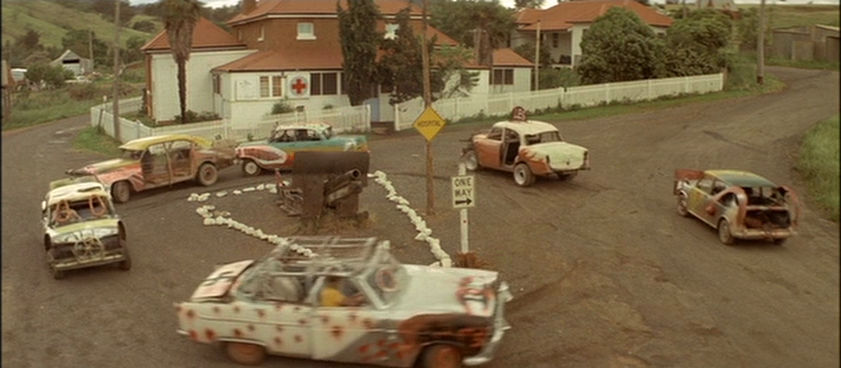
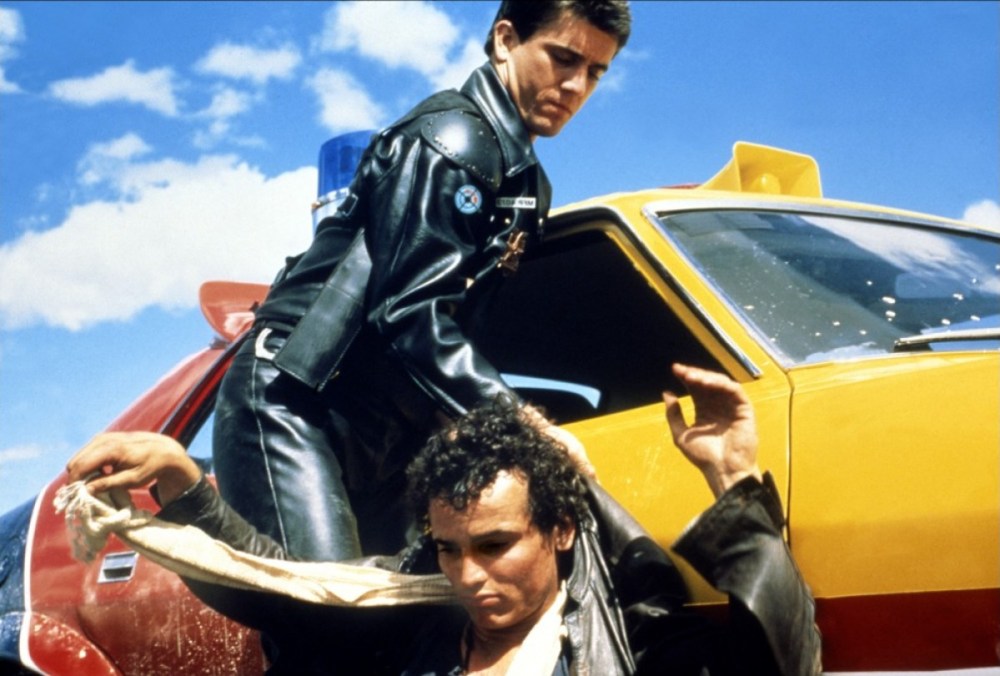
All the violent nihilism of a revisionist western, all the punkish energy of a rebel racers road flick, all the visual invention of a sci-fi opus but with none of the budget for effects… did a pen pushing bureaucrat really just turn up in bushido armour? What world are we in? What fucking world, are we in? A near future. An economic collapse. The roadside cafes are still running. A believable dystopia of petrol fumes, forbidden sectors, risky runner panel camera angles and tarmac scrape scars for both characters and movie crew. Alien in its politics, but familiar in its summer holiday iconography of beach front ice creams, inflatables and doomed caravans. This is how you make an exploitation movie. Camp hordes of biker villains – sweaty, lurid danger drips from them. Anything can happen to the innocents they hawk and preen and squawk around. Their behaviour is pantomime, their deeds hungry cats toying with mice in their claws. They rape, kill, terrorise and rage down the roads as society has fallen apart… they face no opposition, only fear. Who will clean up the vicious likes of Toecutter, Johnny the Boy and Bubba Zanetti? Baby faced Mel Gibson, that’s who. Creating the character type that will define his career; the grief stricken man who is overly skilled in mayhem, crazier than the enemy when pushed. His beautiful family, the moments of warmth Miller gives them are touching and unique, cursed so we the blood thirsty viewer can get the carnage we demand. A blank beautiful face, holding back his tears and anger, as he takes down his feral antagonists one by one. A star is born. Born into a whiteline nightmare of amazing wreckage stunts and perfectly rhythmed set pieces. Max reaching for his shotgun as the squealing wheel of a bike approaches to crush his forearm is stuff of intense dreams. Down and dirty perfection. Miller can devastate, titillate and compel with his trademark unfussy but kinetic big screen compositions. He is an action director like no other.

10

Petulia (1968)

72CC9DB8-6DE1-4A38-9433-8990BFDE0172

Richard Lester directs Julie Christie, George C Scott and Richard Chamberlain in this trippy New Hollywood drama that explores the interactions between a free sprit trapped in a loveless marriage and surgeon entering into middle age alone for the first time. 

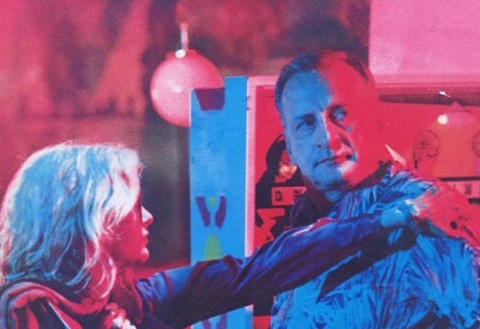
Jarring. Really fucking jarring. For the first hour of Petulia, it is difficult to know what the fuck you are watching. Oh so 1960s, MAN! A temporally discombobulated love affair between a divorced surgeon and a young housewife. The back story, motivation and personality are lost between the shifting, unrelated scenes. One thing that does shine through is their attraction to each other. Within this (purposely) avant garde mess, the leads have real chemistry. Julie Christie is what they’d call these days a manic pixie girl fantasy figure, only with the coolest boutique fashions ever. Scott brings his usual iron grip intensity and gruff charm to the fore. But then as the beautiful, unconnected jigsaw pieces, being flung in our faces by Lester, fall into place, a bigger picture emerges. The quirky romance gives way to a dark drama of control and compromise. The daft liberal hippy shit focusses in on a portrait of loneliness and treatise of personal freedom lost. With great stars, noble intentions, dazzling use of colour and… yes… a very distancing but eventually rewarding cut-up format, Petulia proves worth enduring through. Who knows a second watch might even be essential to discover all its melancholy qualities?

7

Hardcore (1979)

3F450AA9-2D10-45A1-9867-0DAFCBB71583

Paul Schrader directs George C Scott, Peter Boyle and Season Hubley in this detective thriller where a straight-laced, religious father immerses himself into the world of sexual exploitation to find his missing teenage daughter. 

As seedy walks on the wild side go, this nightmare trip into the porn industry often makes Taxi Driver feel like a parody. Travis Bickle is a cartoon character who fits right into his gutter of depravity, George C Scott is a nice, religious man revulsing, fighting to hide every danger sensor in his body, as he steps through the bead curtain doorway of a vicious, uncaring new reality. Watching a repressed and pent up father have to falteringly negotiate and eventually insinuate himself into the world of cock auditions, nudie booths and commercial degradation lends his descent and the subculture’s luridness an air of verisimilitude. I doubt someone who experienced this boom industry first hand would say it was wholly accurate. But it has the ring of truth, certainly the dark fantasy is never stretched past any viewer’s incredulity. Schrader plays with your emotions so that by the first hour you have all but given up on Scott’s quest for him to find his daughter. By that point you just hope he comes to his senses and finds an escape route for his own soul and sanity. Scott is one of cinema’s finest actors and this just might be his most convincing and affecting performance.

9


Hush… Hush, Sweet Charlotte (1964)

0C60268D-C725-412B-95E6-F085EBE89B12

Robert Aldrich directs Bette Davis, Olivia de Havilland and Joseph Cotten in this thriller about an aging, reclusive Southern belle, riddled with guilt over a murder in her youth, who descends into madness after the arrival of a lost relative.

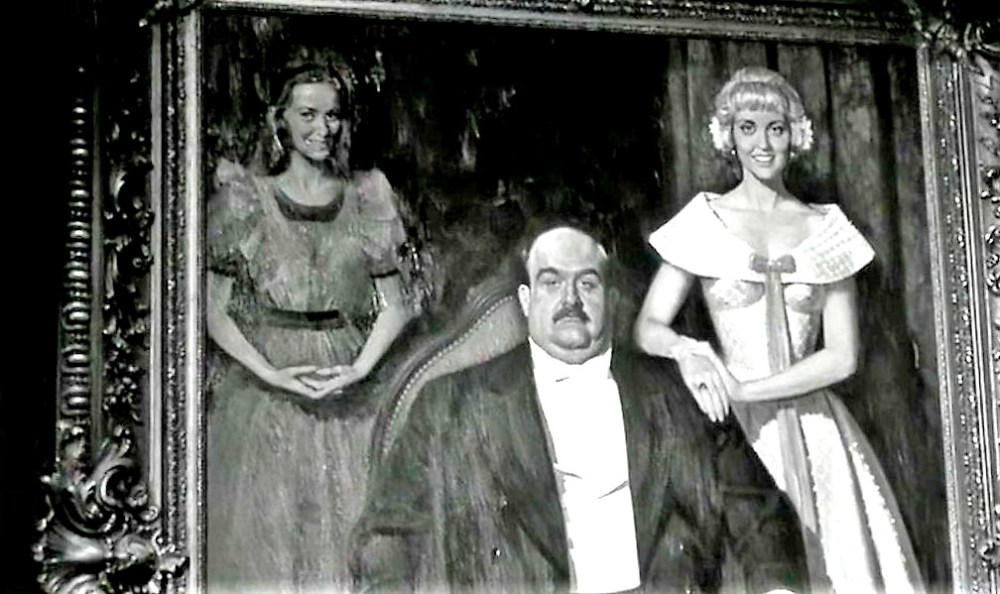
This companion piece to Whatever Happened to Baby Jane? often feels the superior product to that camp vampy classic. Sure, it lacks the bristling, incomparable backstage history that electrifies every interaction contained in its progenitor… But it is a more confident, compelling mystery. That flashback intro – set around a murderous debutante ball – with Victor Buono sweating, axes going missing in strikingly composed shots and frilly dresses and plaits darting around shadowy corners, is a masterclass in cinematic short storytelling horror. Bette Davis, here as an arrested development Southern belle, maybe just as malevolent and vulnerable as her iconic Baby Jane, but now she’s a fully fledged personality you truly care about. Aldrich’s direction is visually daring and lands with purpose. The plot is a genuine gripper with little fat. And while Olivia de Havilland’s presence may deprive us of more of the Feud-y gossip that Joan Crawford brought to the first movie’s face-off, she is easily the stronger actress. Whisper it, but catty history aside, Sweet Charlotte is the far more engaging mystery.

9