The Car That Ate Paris (1974)

824B6D2C-C6FE-45A0-85CD-BE9B7D751DA5

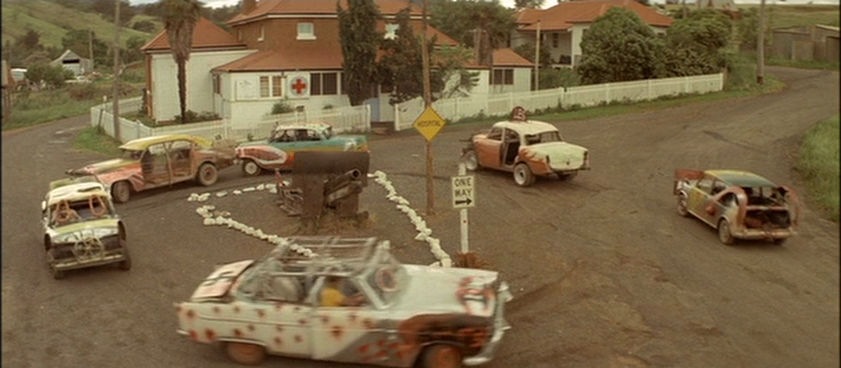
Peter Weir directs Terry Camilleri, John Meillon and Bruce Spence in this strange Aussie film about a small town that causes car accidents,  and then tries to indoctrinate one of the rare survivors over to their ways. 

A low key fable or a subtle satire? Either way very dull, with perhaps the weakest, most charisma free lead turn in a movie I’ve seen. Strangely, Terry Camilleri, who may have been being this bland on purpose, eventually went on to play Napoleon in Bill and Ted. The plot is similar to Wake in Fright, the tone and effect nowhere near as intriguing.

4

Mad Max (1979)

437FF5C0-9186-484D-8B67-AD5DA0594711

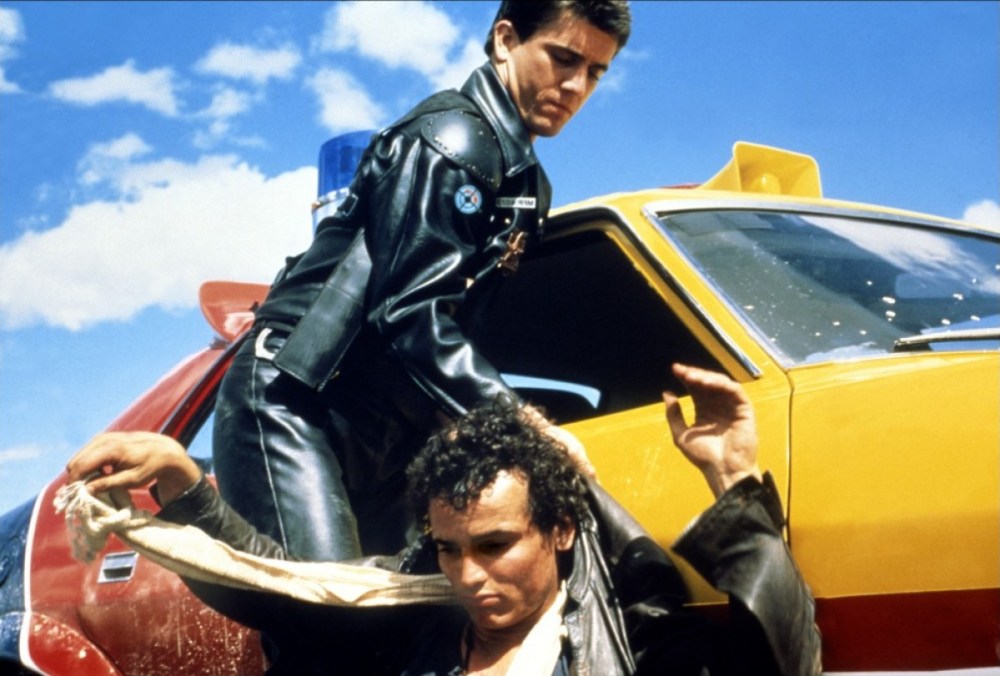
George Miller directs Mel Gibson, Joanne Samuel and Hugh Keays-Byrne in this Ozploitation actioner where a road cop takes down a violent gang. 

All the violent nihilism of a revisionist western, all the punkish energy of a rebel racers road flick, all the visual invention of a sci-fi opus but with none of the budget for effects… did a pen pushing bureaucrat really just turn up in bushido armour? What world are we in? What fucking world, are we in? A near future. An economic collapse. The roadside cafes are still running. A believable dystopia of petrol fumes, forbidden sectors, risky runner panel camera angles and tarmac scrape scars for both characters and movie crew. Alien in its politics, but familiar in its summer holiday iconography of beach front ice creams, inflatables and doomed caravans. This is how you make an exploitation movie. Camp hordes of biker villains – sweaty, lurid danger drips from them. Anything can happen to the innocents they hawk and preen and squawk around. Their behaviour is pantomime, their deeds hungry cats toying with mice in their claws. They rape, kill, terrorise and rage down the roads as society has fallen apart… they face no opposition, only fear. Who will clean up the vicious likes of Toecutter, Johnny the Boy and Bubba Zanetti? Baby faced Mel Gibson, that’s who. Creating the character type that will define his career; the grief stricken man who is overly skilled in mayhem, crazier than the enemy when pushed. His beautiful family, the moments of warmth Miller gives them are touching and unique, cursed so we the blood thirsty viewer can get the carnage we demand. A blank beautiful face, holding back his tears and anger, as he takes down his feral antagonists one by one. A star is born. Born into a whiteline nightmare of amazing wreckage stunts and perfectly rhythmed set pieces. Max reaching for his shotgun as the squealing wheel of a bike approaches to crush his forearm is stuff of intense dreams. Down and dirty perfection. Miller can devastate, titillate and compel with his trademark unfussy but kinetic big screen compositions. He is an action director like no other.

10

Petulia (1968)

72CC9DB8-6DE1-4A38-9433-8990BFDE0172

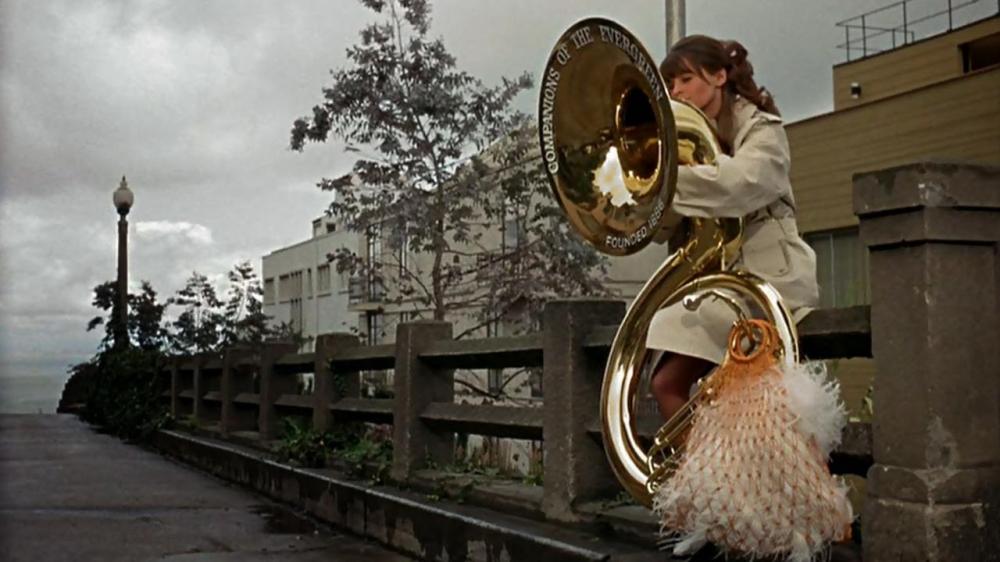
Richard Lester directs Julie Christie, George C Scott and Richard Chamberlain in this trippy New Hollywood drama that explores the interactions between a free sprit trapped in a loveless marriage and surgeon entering into middle age alone for the first time. 

Jarring. Really fucking jarring. For the first hour of Petulia, it is difficult to know what the fuck you are watching. Oh so 1960s, MAN! A temporally discombobulated love affair between a divorced surgeon and a young housewife. The back story, motivation and personality are lost between the shifting, unrelated scenes. One thing that does shine through is their attraction to each other. Within this (purposely) avant garde mess, the leads have real chemistry. Julie Christie is what they’d call these days a manic pixie girl fantasy figure, only with the coolest boutique fashions ever. Scott brings his usual iron grip intensity and gruff charm to the fore. But then as the beautiful, unconnected jigsaw pieces, being flung in our faces by Lester, fall into place, a bigger picture emerges. The quirky romance gives way to a dark drama of control and compromise. The daft liberal hippy shit focusses in on a portrait of loneliness and treatise of personal freedom lost. With great stars, noble intentions, dazzling use of colour and… yes… a very distancing but eventually rewarding cut-up format, Petulia proves worth enduring through. Who knows a second watch might even be essential to discover all its melancholy qualities?

7

Hardcore (1979)

3F450AA9-2D10-45A1-9867-0DAFCBB71583

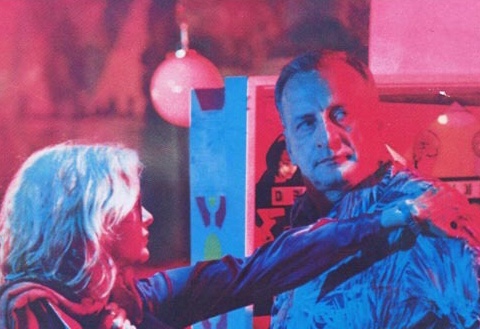
Paul Schrader directs George C Scott, Peter Boyle and Season Hubley in this detective thriller where a straight-laced, religious father immerses himself into the world of sexual exploitation to find his missing teenage daughter. 

As seedy walks on the wild side go, this nightmare trip into the porn industry often makes Taxi Driver feel like a parody. Travis Bickle is a cartoon character who fits right into his gutter of depravity, George C Scott is a nice, religious man revulsing, fighting to hide every danger sensor in his body, as he steps through the bead curtain doorway of a vicious, uncaring new reality. Watching a repressed and pent up father have to falteringly negotiate and eventually insinuate himself into the world of cock auditions, nudie booths and commercial degradation lends his descent and the subculture’s luridness an air of verisimilitude. I doubt someone who experienced this boom industry first hand would say it was wholly accurate. But it has the ring of truth, certainly the dark fantasy is never stretched past any viewer’s incredulity. Schrader plays with your emotions so that by the first hour you have all but given up on Scott’s quest for him to find his daughter. By that point you just hope he comes to his senses and finds an escape route for his own soul and sanity. Scott is one of cinema’s finest actors and this just might be his most convincing and affecting performance.

9


Hush… Hush, Sweet Charlotte (1964)

0C60268D-C725-412B-95E6-F085EBE89B12

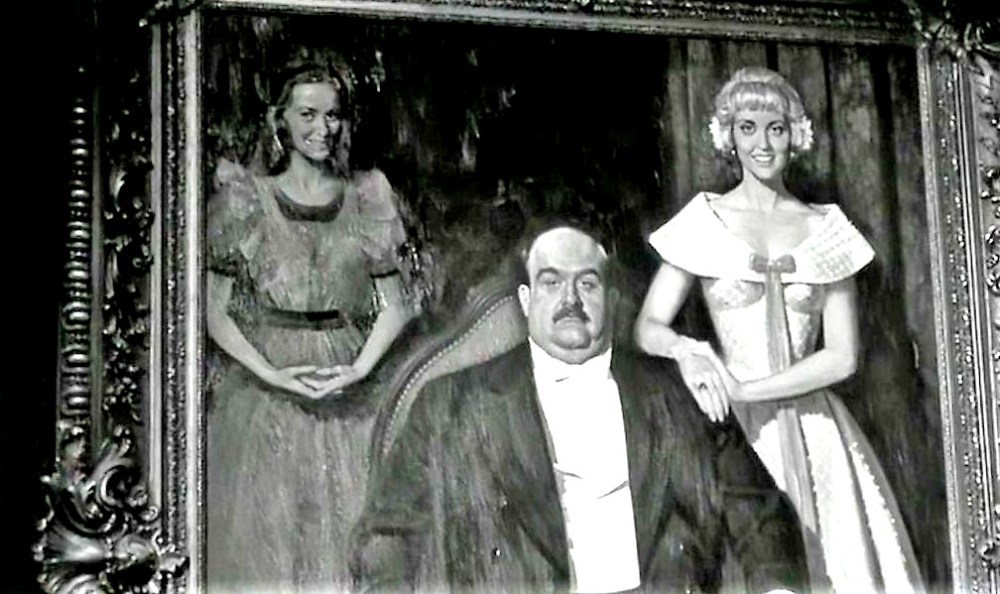
Robert Aldrich directs Bette Davis, Olivia de Havilland and Joseph Cotten in this thriller about an aging, reclusive Southern belle, riddled with guilt over a murder in her youth, who descends into madness after the arrival of a lost relative.

This companion piece to Whatever Happened to Baby Jane? often feels the superior product to that camp vampy classic. Sure, it lacks the bristling, incomparable backstage history that electrifies every interaction contained in its progenitor… But it is a more confident, compelling mystery. That flashback intro – set around a murderous debutante ball – with Victor Buono sweating, axes going missing in strikingly composed shots and frilly dresses and plaits darting around shadowy corners, is a masterclass in cinematic short storytelling horror. Bette Davis, here as an arrested development Southern belle, maybe just as malevolent and vulnerable as her iconic Baby Jane, but now she’s a fully fledged personality you truly care about. Aldrich’s direction is visually daring and lands with purpose. The plot is a genuine gripper with little fat. And while Olivia de Havilland’s presence may deprive us of more of the Feud-y gossip that Joan Crawford brought to the first movie’s face-off, she is easily the stronger actress. Whisper it, but catty history aside, Sweet Charlotte is the far more engaging mystery.

9


Movie of the Week: Doctor Zhivago (1965)

BA732A81-3D7B-42A7-9FFE-2EE348224B81

David Lean directs Julie Christie, Omar Sharif and Geraldine Chaplin in this truly epic adaptation of Boris Pasternak’s novel about love and individuality struggling against the backdrop of the Soviet revolution.

Watching this on the big screen for the first time confirmed its greatness to me. The simple love story and almost soapy sub-plots which sprout out from it prove to be mere long game set-up for the devastating finale. All those complex lives we grow to care for suddenly vanish under the anonymous might of the state… and indeed the inevitable constantly rolling waves of history. The achingly beautiful people who dominate the first three hours with red lacy dresses, ice palaces and revered poetry get lost against concrete walls, overcrowded orphanages and the unmarked graves of the postscript. Passion and connection give way to mechanics and power. Whether freezing us in warring wastelands or churning through endless rail travel, Lean always focuses on humans trying to be free. At three-hours-plus it somehow feels like his most intimate movie since Brief Encounter. Packed with iconic shots and a haunting score, mood and romance takeover until all is lost. I also love the scenes where Alec Guinness’ narrator disagrees with his own onscreen interactions. They have a touching bitterness to them, watching the narrator lie to himself.

10

Molly’s Game (2017)

C48EB367-F04C-44DF-956E-2E802F1E0D7D

Aaron Sorkin directs Jessica Chastain, Idris Elba and Michael Cera in this true tale of a weekly high roller poker game that ended in FBI investigations and tabloid gossip.

Slick for sure. It almost gets away with it. This has all that pleasurable well educated, well read rat-a-tat-tat bickering you’d expect from Sorkin. And with court cases, million dollar pots and skyscraper set contract negotiations dominating the runtime it certainly appears to be a story worth telling right. Sad then that as the distastefully triumphant happy ending hovers into sight you have that niggling feeling you’ve been bluffed. I’m not entirely sure Ms Molly Poker Host is anything more than a corrupt clothes horse who got caught with her hand in a very dangerous cookie jar. The movie tries to tell me she did her illegal book with integrity and intelligence… but reading between the lines, thinking about the nasty elements that are swiftly glossed over here, I get the feeling this is hero worship revisionism, done only to give the solid Chastain another meaty yet sympathetic lead role. At the very least The Wolf of Wall Street had no qualms letting us know the scumbag whose awful excess we were revelling in was indeed an absolute, unforgivable scumbag. There’s also the perfume of faux feminism about the neat narrative. That we are meant to celebrate a sister taking on the billionaire boy’s club. But the final scenes all present father figures hauling her repenting ass out of the fire. Kindly judge. Straight laced middle aged lawyer. Bench chat, tough love, Kevin Costner actual daddy. What kind of feminist message is that? We are left with not a film about how a powerful woman took on a male dominated world and won… but a tale of a silly craven girl who got too greedy, and all because her father didn’t cuddle her enough and stay true to Mommy. Luckily she was pretty and well spoken enough for the patriarchy to forgive her. Blurghhh! A less intelligent filmmaker at the helm and you might forgive Molly’s Game, wit and good acting trumping its moral superficiality. But surely Sorkin of all people should be held to a higher standard.

5


Hostiles (2017)

B1116F9E-16B4-4A52-B740-E4DE0CE3180F

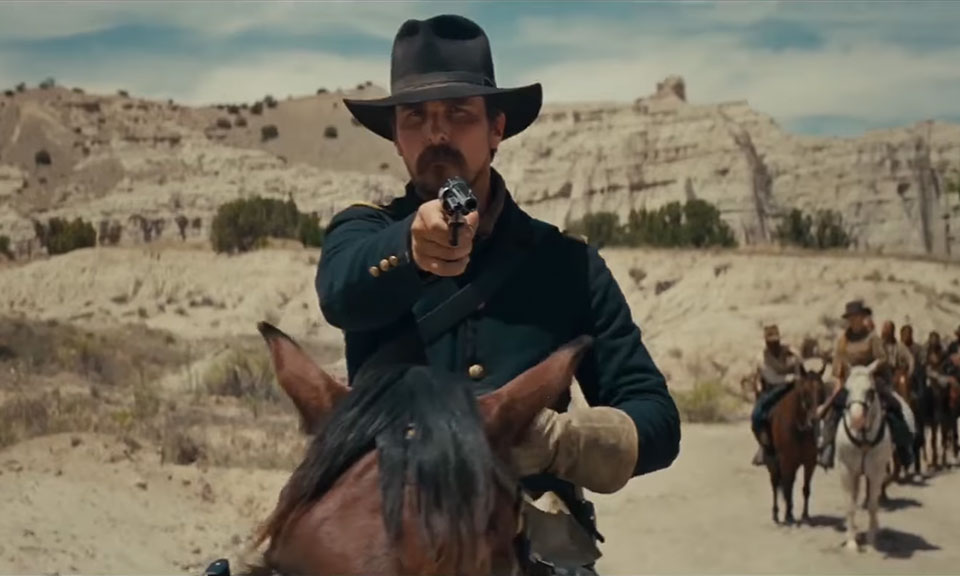
Scott Cooper directs Christian Bale, Wes Studi and Rosamund Pike in this western epic where a violent Army captain, infamous for suppressing rebellious indigenous tribes, finds himself escorting a former adversary across country back to his spiritual land. 

With ragged and effecting performances from the leads, bursts of disturbing conflict and a true love of genre and historical accuracy, this is a fine western. A bit more in love with character than plot, this charts the course of two white outsiders, who have both been brutalised in past clashes with Native Americans, as they come to a new understanding of the people they saw as demonic savages. It happens in an episodic and measured pace, with little regard for narrative. At the mid point of their quest, the initially brutal and openly racist protagonist that Bale powerfully essays comes face to face with Ben Foster. Foster is playing a soldier sentenced to death for exactly the same actions and attitudes that defined Bale before prolonged interaction with the family he escorts moved him. It is that type of movie, happy to put its main goal on hold for 20 minutes, just to put a mirror up next to a character we have seen soften and evolve, to mark the change. Not massively dissimilar to American History X in many regards. It is not a movie that attempts to look at racism from the victim’s viewpoint, rather explore how proximity, cooperation and inevitable mutual respect destroys racist attitudes in individuals. Some reviews have criticised Cooper for not giving equal voice to the Cheyenne family being protected. While that would be more balanced superficially, I think the criticism misses the story’s most vivid point. Different races, whether oppressors or victims, will never truly understand or be able to have an equal dialogue with the people they have mistreated or have been attacked by. Talk won’t heal these deep wounds. It isn’t a difference of opinion, where giving everyone an equal platform will somehow solve complex hatred. But by subsisting and interacting together regularly they can grow beyond those hostilities. For a white filmmaker to put reams of fake white liberal words into a 100 years passed Cheyenne chief’s mouth would be more harmful than admitting we’ll never now grasp how these people truly felt. When we close the movie’s journey with the sole Cheyenne survivor dressed in European garb and gifted with a Latin text, it is a tragic compromise rather than a victory. Sure, he’ll be raised and cared for by people duty bound and full of guilt… but with no continuing connection to his people’s history or own language. That tragic compromise was a reality. Any other ending would be fairytale. And the admirable message of Hostiles is clear, if everyone keeps drawing up racial dividing lines between each other based on past transgressions, no matter how raw and wounding, rather than working and living together towards a common goal, we are doomed repeat these mistakes. While that is a more nuanced take on race relations than is currently fashionable, Hostiles shows a bravery in presenting it within a successful and rousing period adventure.

8
 

Seven Psychopaths (2012)

02EAC112-1299-4497-9B4C-09876D283EAF

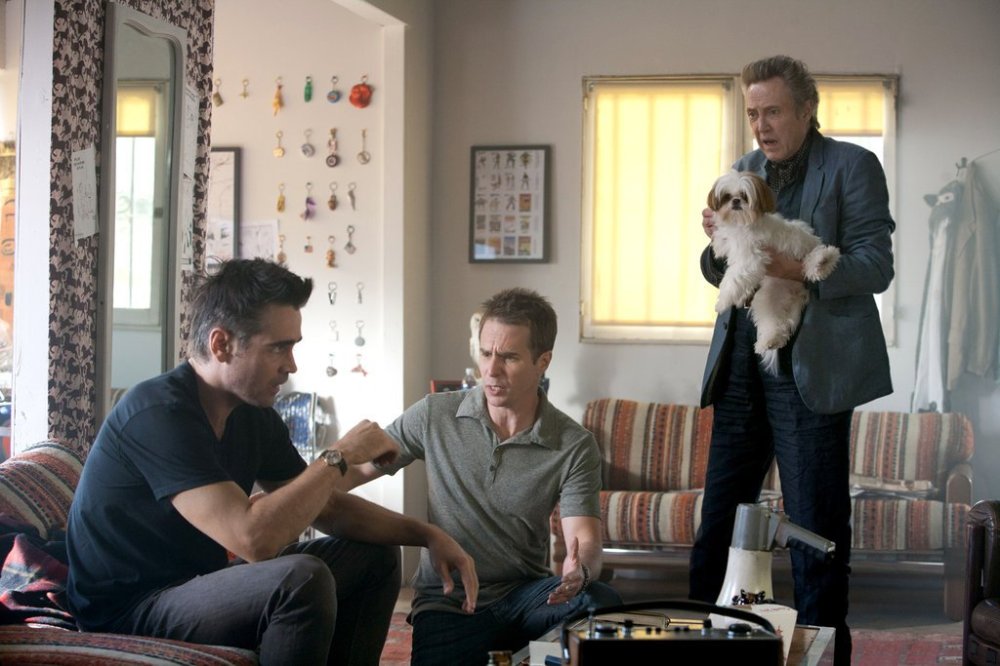
Martin McDonagh directs Colin Farrell, Sam Rockwell and Christopher Walken in this meta-comedy about a screenwriter who becomes involved in a violent farce with the sort of horrific yet ironic characters he is struggling to write about.

Both times I’ve watched this it has rubbed me up the wrong way, when it should be exactly my kinda mashed potatoes and gravy. A very cold variation on the superior Adaptation. The script being written takes over the film we are watching as if being written by the constructs the genre demands. It allows for a couple of showy moments (Walken’s cravat scene is a genuine stand out), and gives its ridiculously great ensemble some tailored monologues and barbed exchanges to wink their way easily through. But it is an obvious self aware exercise, lacking In Bruges’ emotional stickiness, lacking any kind of realistic heft, and sadly going along with a pedestrian gait to exactly where you expect it to. Very much like a very, very smart artist has knowingly made a Tarantino rip-off that isn’t anywhere near as ambitious as most Tarantino rip-offs were in their 90s heyday. Things to Do in Denver When You’re Dead did this all far better. You get the feeling that foul mouthed gem wasn’t expecting any plaudits afterwards either. This seems to want all the smiley faces and gold stars going for having its hand up through the entire lesson but then saying nothing particularly exciting or revelatory. And to me that’s off-putting rather than outstanding.

4

The Meyerowitz Stories (New and Selected) (2017)

TMS-00352_R.JPG

Noah Baumbach directs Adam Sandler, Ben Stiller and Dustin Hoffman in this New York dysfunctional family comedy drama. 

A lively likeable ensemble piece that is boosted infinitely whenever Sandler and Hoffman (this is going to be his last great performance, isn’t it?) are together, chafing against each other. It is essentially ‘Woody Allen Light’ but seeing as Woody rarely delivers light anymore, and appears less and less likely to do so, this did nicely as a place holder.

6