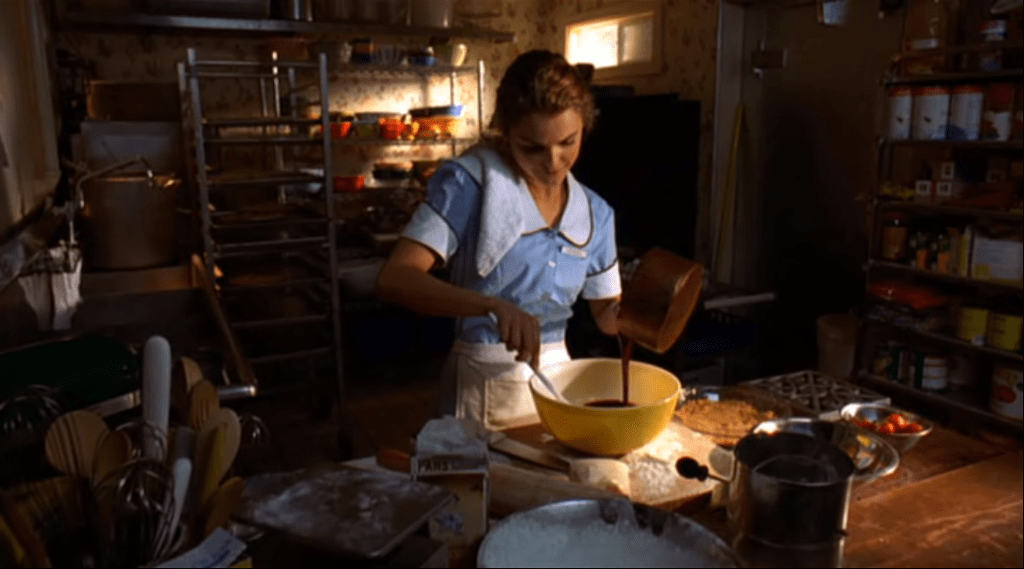
Adrienne Shelly directs Keri Russell, Nathan Fillion and herself in this romantic comedy where a put upon waitress in a small town diner falls for her new doctor when she becomes pregnant.
The above précis is a reduction, as Waitress is a simple movie about a whole lot more than its central hook. It is vividly colourful and has the basic narrative arc of a fairy tale but the issues it explores are more real, messy and emotionally intelligent than most prestige movies. Shelly makes her low budget treat work as an ensemble comedy, seduce as a brittle romance and land as a unfussy feminist drama. It is a blue collar fantasy anchored by Russell’s excellent turn as the cynical dreamer at its heart. Lovely stuff and by golly those pies look delicious!
Elio Petri directs Marcello Mastroianni, Ursula Andress and Elsa Martinelli in this Italian sci-fi satire where humans hunt one another around the globe in a big televised game, only for two of the leading contestants to fall for each other.
Very silly, this sparse vision of the future has influenced everything from Austin Powers to Blur pop promos. It is a wayward piece of exploitation with robot dogs, machine gun brassieres and polythene dance numbers. It doesn’t really work as a thriller, a satire or a sex comedy. Yet it is a fun little curio to watch, never boring and always taking the road less travelled. Considering the basic hook has been battle royaled to death since, from The Running Man to The Hunger Games, it is kinda sweet that this early variation is one of the most irreverent takes. My second Elio Petri of the week and clearly he is an anti-establishment voice who likes slick men, sexy femme fatales and bonkers scores. The jazzy little numbers by Piero Piccioni form a soundtrack that suits only this camp and chaotic vision of a swinging dystopia.
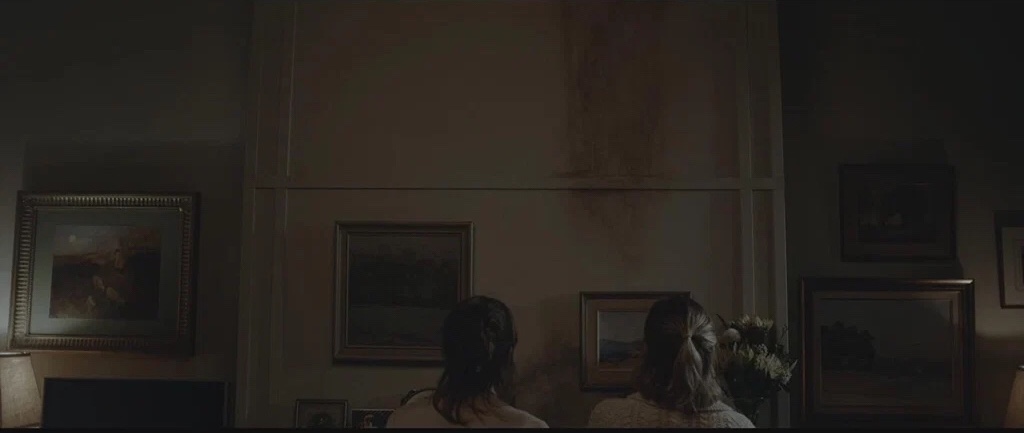
Natalie Erika James directs Emily Mortimer, Robyn Nevin and Bella Heathcote in this horror movie where a mother and daughter stay at grandmother’s house when it becomes clear her senility is making her a danger to herself.
What often feels like a routine and didactic study of ageing actually lurches into genuine terror in the final twenty minutes after some middling creepy tease. James manages to close on a neatly ghoulish but emotionally satisfying image. Most of this is slow boil and low key drama, what is now deemed ‘horror adjacent’, but Relic sticks the landing so well I might actually give it another try.
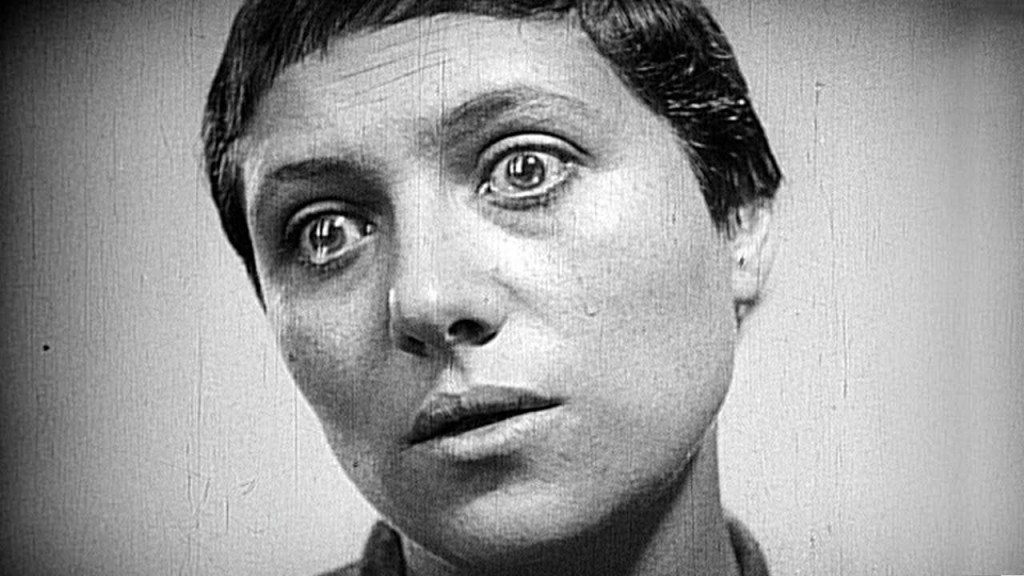
Carl Theodor Dreyer directs Renée Jeanne Falconetti, Eugène Silvain and André Berley in this silent recreation of the trial and execution of Joan of Arc.
Considered one of the greatest films ever made, this felt very much like eating my greens. I did my duty. I watched it. And maybe if I was in a cinema, locked in and overwhelmed by the big screen, I might have appreciated it more. But watched in bed (the only option really in early 2021) it was just a parade of grotesque faces towering over a close up of a miserable actress trying to look saintly. Repeated. On. A. Loop. Falconetti can play the glass-eyed martyr like no one’s business but as a drama this version is voiceless and grindingly repetitive… Not for me. Let’s call it a draw.
Elio Petri directs Gian Maria Volonte, Florinda Bolkan and Orazio Orlando in this satirical Italian crime movie where an overconfident police inspector kills his mistress and leaves extra clues to condemn himself.
An anomalous and hypnotic film… the humour and brutality exposes the corruption and incompetence in Italy’s justice system. But it can also be taken relatively straight faced too. As a thriller where we identify with a cocky man who dances along the brink of oblivion after committing a crime. Leone regular Gian Maria Volonte’s is superb as the oily top cop falling apart under the weight of his own guilt and invulnerability. A game weasel drowning in respectability and privilege. Every time he tries to lead the homicide investigators or his superiors towards the truth he is overlooked and every time he catches onto his senses and tries to cover up his guilt things skew… weirder. The movie absorbs paranoia, kinky crime scene sex, office politics, student terrorism and a discordant, silly score from Ennio Morricone. The reason Investigation of a Citizen Above Suspicion works so well is its persuasive unpredictable strangeness. A world of order turned on its head, where the hollow little lives of the bullying bureaucrats smother the freedom and vitality of the next generation. It really is a movie like no other even though it often delivers on its skewering of the establishment and our desire to see this nasty piece of work evade repercussions for all his sins with thrilling elan.
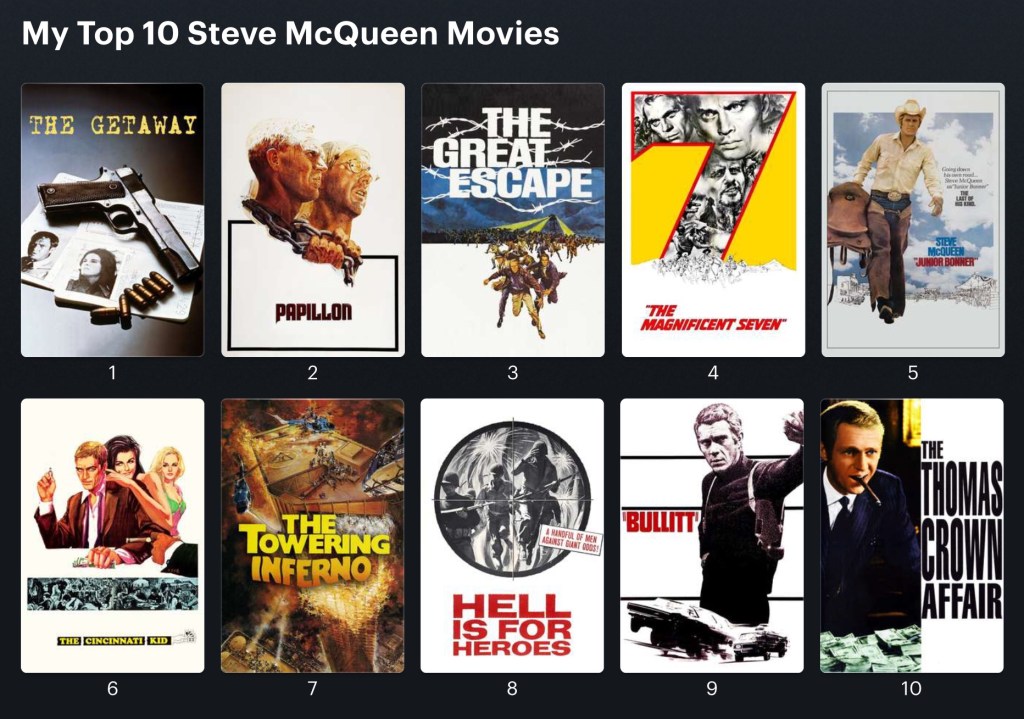
Lee H. Katzin and John Sturges direct Steve McQueen, Louise Edlind Friberg and Siegfried Rauch in this racing drama capturing the 24 hour race – the drivers, pit crews and spectators.
Steve McQueen, one of my favourite stars, might be a petrolhead but I am not. A passion project of his, this uses footage of him driving in other tournaments to suggest a narrative where he wins the big race for reals. It is immersive, just not very interesting. The documentary footage of the crowds arriving, camping overnight, distracting themselves with amusements proves the gold. The listless racing sequences and extended pit stops have little impact. It really is quite the bore. John Sturges started directing this before falling out with the studio and you can see his impactful, bold use of primary colours in some of the earlier shots of McQueen. Really though the only thing that fuel injects some pep into this vanity folly is Michel Legrand’s marvellous score.
Chung-Hyun Lee directs Park Shin-hye, Jeon Jong-seo and Kin Sung-ryung in this Korean thriller where two girls from different decades can communicate with each other over time with deadly repercussions.
A good solid supernatural thriller that throws up some creepy paradoxes. Once it all gets going The Call is pretty restless in its desire to ring every permutation out of angering a psycho who has a twenty year head start on you no matter what you try. Almost to the point where it exhausts your patience just a little in its failure to wrap things up. Burning’s Jeon Jong-seo puts in another sexy but intense bout of unpredictable untrustworthiness.
David Dobkin directs Will Ferrell, Rachel McAdams and Dan Stevens in this musical comedy with the same narrative as pretty much every second Will Ferrell movie, here Eurovision replaces basketball, figure skating or NASCAR.
Two hours, one joke. At least it is an affectionate tribute to the annual phenomenon.
Rawson Marshall Thurber directs Jason Sudeikis, Jennifer Aniston and Emma Roberts in this comedy where a bunch of losers pose as a family on a RV holiday to smuggle drugs.
We’re The Millers runs its rail with a lot more thought put into production value than jokes. The kinda film written by people who have only ever experienced other Hollywood comedies rather than real life. As a targeted vehicle for Sudekis (think Ryan Reynold’s without the glamour) it often wastes the rest of the far naturally funnier cast. Will only be remembered for Jennifer Aniston’s game but PG-13 striptease sequence.
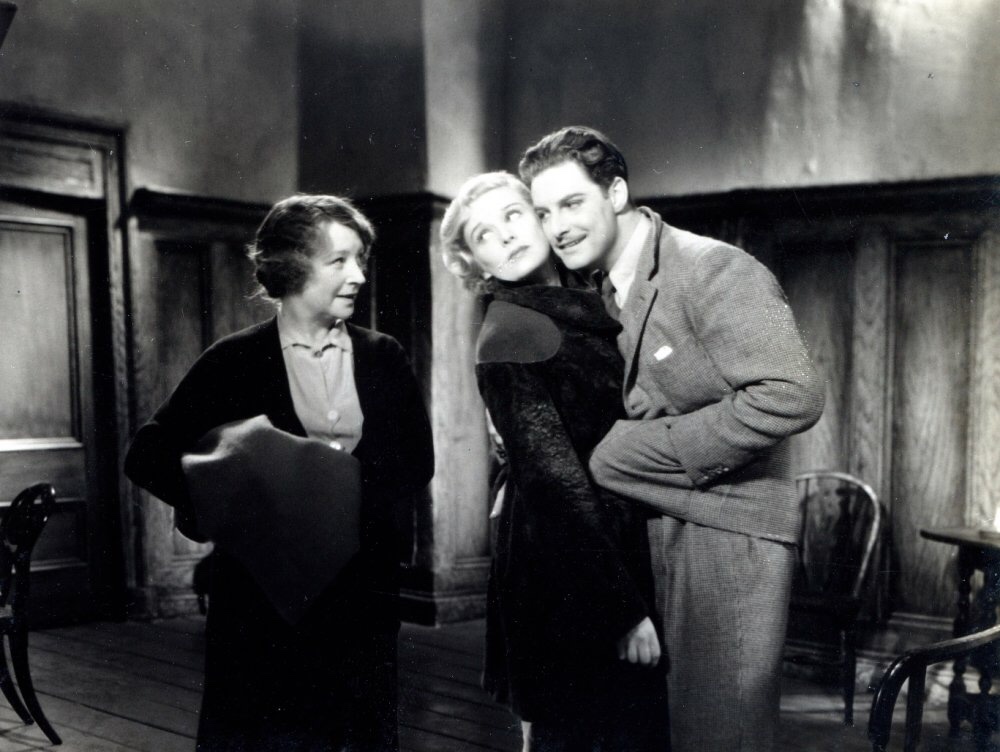
Alfred Hitchcock directs Robert Donat, Madeleine Carroll and Lucie Mannheim in this thriller where a man is framed for murder and chases down the few vague clues he has to uncover the conspiracy he is fatally embroiled in.
The original man on the run chase movie. Donat’s Hannay is one suave motherfucker – witty in the face of impending doom, dashing even when harried in the wilderness, only a cad when the ladies are too pigheaded to listen to charming reason. He skips from set piece to set piece – rivalled only by Indiana Jones in his ability to find himself from frying pan to fire to jaws of death. Some of the cliffhangers are perilous stunts like his iconic escape from a moving train on the Forth Rail Bridge but many are with a variety of ladies who are fighting off an irresistible urge to fall for the desperate man. Hitch loads every male / female interaction with a chaste lustiness, you get the feeling if Hannay had a moments respite he’d be at it like a sewing machine. Edwardian mores and the long arm of law stop him from consummating any of his encounters even when he kinkily spends a night handcuffed to Madeleine Carroll. There are peculiar little commentaries on party politics, nationalism, bureaucracy and marriage laced throughout The 39 Steps. The movie seems to be lampooning institutions whenever it isn’t derring and doing. Even if you’ve watched a fair few releases from The Thirties before you’ll be shocked at how thrilling it all is. A real outlier, it is something else. Hitch went on to make many classics but I genuinely think his reputation was cemented the moment he made such an ahead of its time proto-blockbuster. We wouldn’t have North By Northwest, The Fugitive or 3 Days of The Condor without it, but in all honesty this is the finest example of the sub-genre… it just happens to be the earliest. It moves so neck breakingly fast, THE END card appears, we fade out… and it takes you a few hours to realise Hannay is still very much in the stew when we leave him on a minor moment of triumph.