David Lynch directs Kyle MacLachlan, Francesca Annis and Kenneth MacMillan in this epic sci-fi adaptation of Frank Herbert’s bestselling series about feuding planets desperate to control a mining colony.
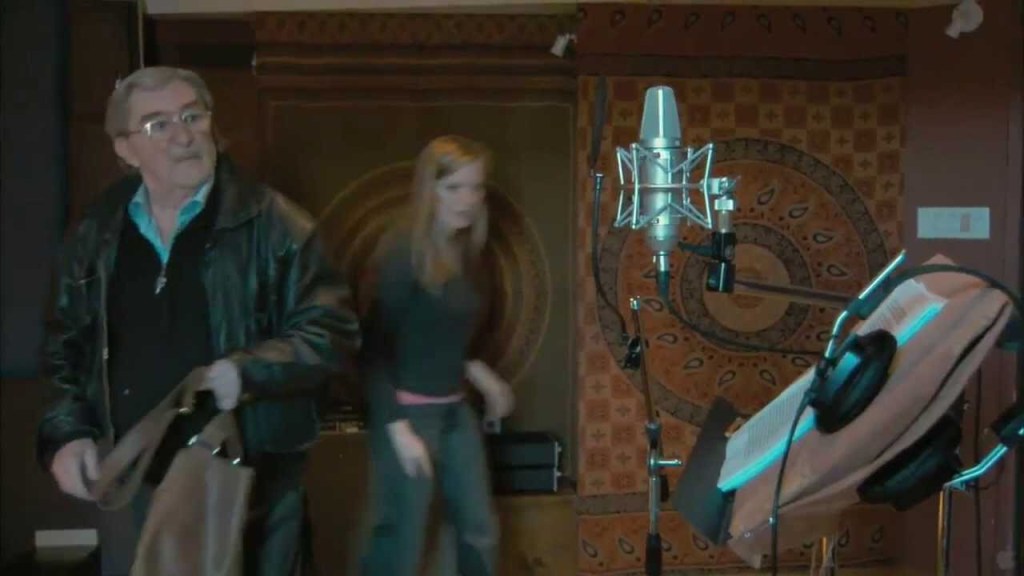
45 minutes of exposition that moves from various immaculately designed and populated sets. Who cares if it is gobbledygook? The family names and intergalactic terminology having the impenetrability of a Dutch engine manual. Then we get half an hour of set pieces… a mining rig is rescued from a giant worm, a imperial coup takes place. Have we settled down? Ramped things up? Now the plot is moving too fast. Events, years, relationships are vacuumed out. A foetus we saw expelled moments earlier is already a wise old toddler (diddy Alicia Witt), spouting prophecies and committing acts of ultra violence while most of the established ensemble lurk about, dormant, in the wings. What at first was stately and wordy, is now rushing past us like a flick book missing chapters. There’s a cast of arthouse stalwarts and Lynch mainstays. There are strange moments like a pug’s prominence in a battle and Sting emerging from a steam pod that sate our cheesy camp desires. There are sojourns into mystical interplanetary SFX that feel more at home in – and make more sense after you’ve seen the trippy episodes of – Twin Peaks: The Return, 35 years later. The vaginal grasshopper of a Guild Navigator “folds space” and you expect Bob in a bubble to float out. MacLachlan is lost in his first role but Annis, Virginia Madsen and Sean Young all look resplendent as his incestuous love interests. The movie becomes vital whenever the horrific Harkonnens take centre stage. Kenneth MacMillan’s grotesque Baron (riddled with pulsating boils, floating about like a carrier bag) holds the eye and steadies the ship… anchoring a messy, overreaching attempt to make an adult Star Wars… Take out the silly nomenclature and you essentially have a gothy, ornate A New Hope… gore has replaced adventure, preciousness has overwhelmed fluid storytelling. A decent editor or a less ambitious screenwriter might hack apart all that is dodgy here into a coherent blockbuster. I don’t see an unnavigable story. It all reduces down to fallen prince leads rebellion for his crown. Sadly here, it is hard to see the sand for the desert. The action figures misguidedly tied in with the release look awesome to play with. I can forgive over-reaching sci-fi a lot of missteps if the licensed toys are cool. This is a very random $40 million attempt to muck around with an once in lifetime playset.
Is anyone’s favourite director Steven Soderbergh? Probably not, in spite of the fact he has had as many box office successes and critically acclaimed works as any 21st century auteur you’d care to mention. His filmography lurches from prestigious classics, stylish franchise films, throwaway genre pieces and even more disposable experiments. His works can be divided up into four catergories: crime capers, biographies, big issue ensembles and indie character studies… but not neatly… there are overlaps. He’s often his own cinematographer and he supports new talent. He unexpectedly casts non-actors in lead roles and he quietly championed international talents Guillermo Del Toro, Christopher Nolan and Ole Bornedal in their first major Hollywood projects. He frequently announces his retirement from cinema then releases three or four projects in quick succession. He made the best Elmore Leonard adaptation with Out of Sight… undeniably one of the finest movies of the 1990s. I had an unplanned mini season, a little sniff around the less loved borders of his oeuvre, over the last week.
sex, lies and videotape (1989)
Steven Soderbergh directs James Spader, Andie MacDowell and Laura San Giacomo in this indie drama about a cheated-on housewife and an impotent young drifter who become drawn to each others’ honesty.
The debut that rewrote the rule book of indie cinema and was heralded a modern classic. One that now no longer feels like it is part of the movie conversation. Haven’t watched this since I was a kid. I was pretty bored by it then, couldn’t see what the fuss is about. As an adult, now far older than the small set of characters we observe, I was still pretty bored. It is an impressive debut in that Soderbergh casually avoids genre or cliche… opens up a stagey premise, has excellently framed patient camerawork and manages to get compelling performances from the normally unpalatable MacDowell and Peter Gallagher. You wonder if they have been cast due in part to their cold, wooden qualities?
Spader and especially Laura San Giacomo are excellent however. Spader (a Soderbergh avatar) has a fetish for filming women making masturbatory interviews about their desires and experiences. This future-echoes Soderbergh’s consistent concerns of intimacy as a transaction and embracing emerging film replacements. I guess there is a nice feminist message in that the man who cares about women’s needs, voices and thoughts over his own ends up adjacent to the girl… and the sisters don’t implode their struggling relationship over the husband who has fucked them both. Yet the dialogue is quite theatrical and the happy romantic comedy ending feels like a betrayal of the unjudgmental freefall we’ve been pushed into for the bulk of the film. There is a sinister, callous air about the film that never really comes to a fulfilling head. And for a film about SEX, it is very prudish. The top piece of IMDB trivia is a telling treat. “The film was playing in Berlin’s largest movie theaters when the Berlin Wall fell. A lot of East Germans crossing over to West Berlin went to see it, expecting Western-style porn.” Oh dear…
6
Schizopolis (1996)
Steven Soderbergh directs himself, Betsy Brantley and David Jensen in this experimental film where a horny Soderbergh look-a-like finds himself involved in a Scientology-esque cult, meanwhile his dentist twin brother is fucking about also.
sex, lies and videotape rewrote the rulebook for a little four year period. A Sundance darling, that was part of a well publicised Miramax bidding war (the first of many for the Weinsteins), that went on to be a multiplex, videoshop and international success. The youngest direct to win the Palme D’Or (without Jacques Cousteau co-directing) and Oscar nominated, Soderbergh had the world at his feet. And he went on to make five unmarketable, unprofitable and increasingly unloved projects. Hollywood were hoping for the next Spike Lee or Scorsese… and in terms of craft and prolific output they got that… but the projects were cold and underwhelming. By the time he released a noir remake of Criss Cross (the underrated Underneath), Soderbergh was an afterthought… garnering little press attention unless it was a negative review punctuated with the question “What happened?” We all had Tarantino by the mid 90s. Cooler, easier to sell, easier to qualify and making bigger and bigger releases we could all embrace after Sundance calling card mimicked Soderbergh’s trailblazing debut’s trajectory. Wunderkind Needed : Vacancy Filled.
I always wondered how Soderbergh raised the $1.2 million and name cast for sex, lies and videotape. Schizopolis feels more like a debut, a calling card, the resourcefulness of a unknown. Non-linear, bleak and silly; it is a love letter to Richard Lester, Monty Python and possibly The Kids In The Hall. Soderbergh plays a pair of brothers – neither of whom can communicate with women, wank a lot and barely thread the pearls that are a series of skits together. The energy almost wins you over, excusing a 1 in 5 hit rate of successful sketches. Maybe Soderbergh made it more as his last film. Hollywood beckoned and he started playing the game bringing his elliptical storytelling style and vivid sense of everyday colour to slick blockbusters and star vehicles for the 15 years that followed. He occasionally dabbles in freewheeling nonsense films like this still… almost to keep his hand in… and you can read Schizopolis’ unchecked influence into the works of David O’Russell, Charlie Kaufman, Spike Jonze and Mike Judge.
6
The Girlfriend Experience (2009)
Steven Soderbergh directs Sasha Grey, Chris Santos and Glenn Kenny in this indie drama where a high class call girl tries to boost her standing.
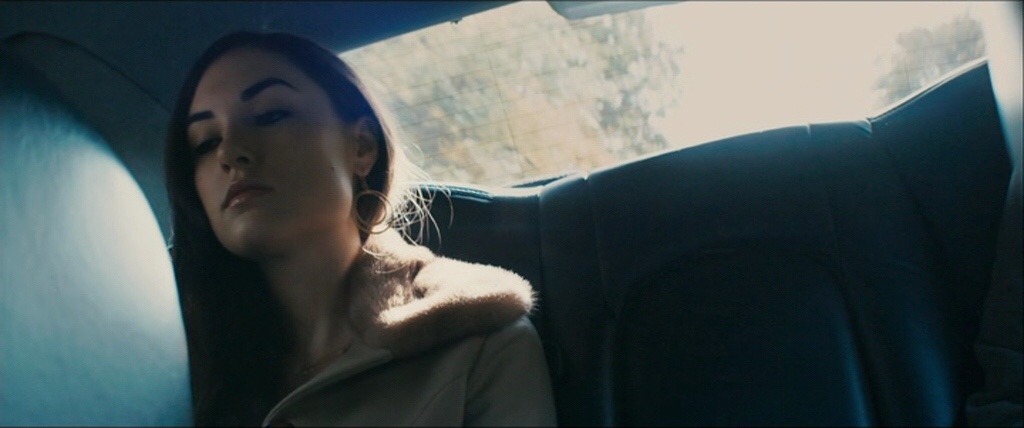
Sasha Grey was probably the biggest pornstar to emerge in the late 00’s. Her unusually striking prettiness, natural body and enthusiastic willingness in a glut of scenes made her “a name” even among circles who didn’t consume hardcore media. She came across in the obligatory short précis scenes before choreographed fucking began as a self aware, overly confident person, always slightly combative of the accepted cliched personas she was cast in by the adult industry. Strange then than in her mainstream lead debut, playing a glamorous sex worker, she does very little in terms of nudity or erotic action (it is a very talky piece that any up-and-coming star could have played with zero controversy) and that personality that seemed so exotic in porn, feels subdued and dull in cinema. She still looks great, yet not movie star flawless, but all the attitude and humanity has disappeared. Here she proves a vacant, monotone presence… and I don’t think that’s intentional.
It makes you wonder whether the in-the-moment, one take only performance needs of porn are so un-syncable with the requirements of mainstream scripted screen acting? Whether other current stand-out adult personalities like Penny Pax, Ana Foxx or Abella Danger could make the breakout from Xvideos to Netflix remains to be seen. Nobody away from the likes of Brazzers and Tushy seem to be exploiting their obvious acting chops. So far, it is only the slightly more bimbo-y Jenna Jameson or Sunny Leone or notorious Traci Lords who have significantly “crossed over”.
The experiment behind The Girlfriend Experience was to cast a non-traditional actor in a lead role that suited them. Soderbergh would have more success next try with MMA star Gina Carano in low key action flick Haywire. The movie itself is handsome to look at, presenting another Soderbergian essay on sex as commerce. Everything here is a service. A personal trainer must put hustling subscription packages ahead of encouraging his client. A user review service for escorts, run out of a mattress store back room by an odious parasite, blackmails young entrepreneurs for positive write-ups. It is a pretty damning statement on wealth, finance and the emerging gig economy… while only occasionally giving us a glimpse of the product we have paid for. Grey in, culturally acceptable, nude situations. Apart from the Soderbergh faithful, the target audience for this surely was Sasha Grey “enthusiasts” who want to watch her in a way where their browsing footprint doesn’t get them fired from work or in trouble with the missus. And I’d say its fair comment that as classy whacking material The Girlfriend Experience fails. She spends more time shopping. Listing her outfits and consumerism like Patrick Bateman… but without Brett Easton Ellis’ satirical relish in exposing how shallow these lifestyles are.
4
Contagion (2011)
Steven Soderbergh directs Matt Damon, Marion Cotillard and Jude Law in this apocalyptic thriller where humanity battles a deadly virus in the face of uncooperative government agencies and exploitative pundits of the new media age.
R numbers. Dwindling supply chain. Departmental incompetence. Frontline deaths. Fake news. Face masks. Hand gels. Rushed vaccines. Second only to Traffic, this is Soderbergh operating in his most impressive wheelhouse. The global issues ensemble piece. He arranges a mosaic of characters and subplots and slots them all together into a satisfying drama and rattling rollercoaster. “Peter Andrew”’s glacial yet immaculate framing, the time slaloming editing and a persuasive score by Cliff Martinez make Contagion a terrifying, multi-layered take on what would happen in a global outbreak.
Of course, we’ve just gone through this very scenario in 2020. What felt like subdued, strangely corporate science fiction 9 years ago… now compares pretty accurately with our everyday life. Sure, the streets aren’t rubbish strewn wastelands and consumer society hasn’t fallen apart but that is mainly due to our governments realising abandoning their populations to survivalist chaos would make the economies they rely on to exploit unresuscitable. The UK is going through Brexit to become the world’s deregulated banking conduit. If the virus caused mass unemployment and social instability then our credit rating would sink and conglomerates wouldn’t use us as their trustworthy international banking hub. Far be it from me, a lefty, to celebrate trickle down economics but the surprising Tory backed relief packages and furlough schemes of the last 9 months probably wouldn’t have happened in Thatcher’s Britain where the poor were seen as an exploitable, disposable inconvenience. The one thing this blockbuster doesn’t predict is the pragmatic self preservation of society in the face of death and destruction. 2020’s Coronavirus was an averted apocalypse of quiet and boredom rather than government secrecy and military curfews.
Yet a little hyperbole aside, it is an eyeopener just how much Soderbergh’s speculative juggernaut gets bang on. You only guess things this assuredly with loads of advance research. Scientific voices were clearly listened to. Worst case scenarios noted and adapted with glee. The first casualty comes as an abrupt early shock… suddenly a cute kid is dead too and an A-Lister’s scalp is being peeled in front of their lifeless face. Quick, wounding succession sets the stakes. No one is safe. The racing after infected on public transport and chaos in supermarkets becomes believable. Human error, greed and mistrust come into play. Unheroic characters redeem themselves, other selfless warriors bite the bullet with little fanfare. It is a chilling ghost house ride featuring a career best turn from Jude Law. Will we all be wearing barcoded vaccination bracelets this time next year? I reckon so… A fantasy that has held up so sturdily in the face of reality isn’t one to doubt easily.
8
The Laundromat (2019)
Steven Soderbergh directs Meryl Streep, Gary Oldman and Antonio Banderas in this dramatisation of the machinations behind the Panama Papers scandal; where the global elite were caught legally but immorally evading taxes that you and I have to pay.
There’s some initial pleasures in Oldman and Banderas camping it up and talking to us directly about how Mossack and Fonesca abuse a system of shell companies, tax shelters and credit systems to preserve the richest’s wealth. But garish opulence and silly accents aside, this is heavy handed and way too scattershot. The only moments that rings true is when the naughty corrupt accountants remind us the filmmakers are just the type of millionaires to use such a scheme. Colourful but inaccessible and glib.
Steve McQueen directs Shaun Parkes, Letitia Wright and Malachi Kirby in this courtroom drama following the fallout after the racist harassment of a Ladbroke Grove restaurant from the police.
After the lacklustre Trial of The Chicago 7, here is a similar political period piece with something to say rather than distractingly pithy dialogue. McQueen’s best film so far; whether he holds on a crying face or a disturbed saucepan you know the wider context, the personal wound or the societal tragedy. Is this television? Television for me is a glimpse into a life or a sequential episode. This is a visual wallop of storytelling, with a defined start, character growth and a thudding conclusion. This is cinema. The scope is there. The impact is there. We just need to get used to such work missing the big screen for now. For now…
Adrian Lyne directs Mickey Rourke, Kim Basinger and Margaret Whitton in this erotic drama where a young divorced art dealer enters into a S&M relationship with a handsome but cagey yuppie.
A strange product of its time. Essentially a string of music videos featuring the same stars in increasingly kinky fantasias. Like Lyne’s Flashdance, only with the epic striptease dance sequences replaced with blindfolded food play or alley chases to new hits. I’d like to say that sentence makes more sense in the context of the film but it all is pretty haphazard. 9 1⁄2 Weeks looks and sounds wonderful but it is a film with problems. Basinger’s good girl turned living doll is pretty wet – daintily spineless and unfixed. The black faces seem included explicitly as set dressing, voiceless / storyless extras included to authenticate the urban environment… and nothing else. This happens a lot in 1980s cinema but 9 1⁄2 Weeks is the most blatant offender. The memoir source material is allegedly a far darker prospect of eventual abuse and kidnapping. This only flirts with that pathway but by not going down there, Lyne leaves the conclusion feeling pretty redundant. Still if you’ve come for gloss, and that’s why we watched it, a treat for the senses.
Clio Barnard directs Conner Chapman, Shaun Thomas and Sean Gilder in this British drama where two excluded schoolboys get involved with an exploitative scrap metal dealer.
Kes meets the Rag N Bone trade. As children we used to be terrorised by government public safety films between cartoons and soaps. 90 second kitchen sink horrors warning us against the fatal mistake of climbing pylons or swimming in reservoirs. This plays out like a feature length version of one of those. The results are humanistic and often grimly arresting.
Paul Feig directs Melissa McCarthy, Rose Byrne and Jason Statham in this espionage spoof where a CIA office bod gets to go into the field when a cabal of villains start killing agents.
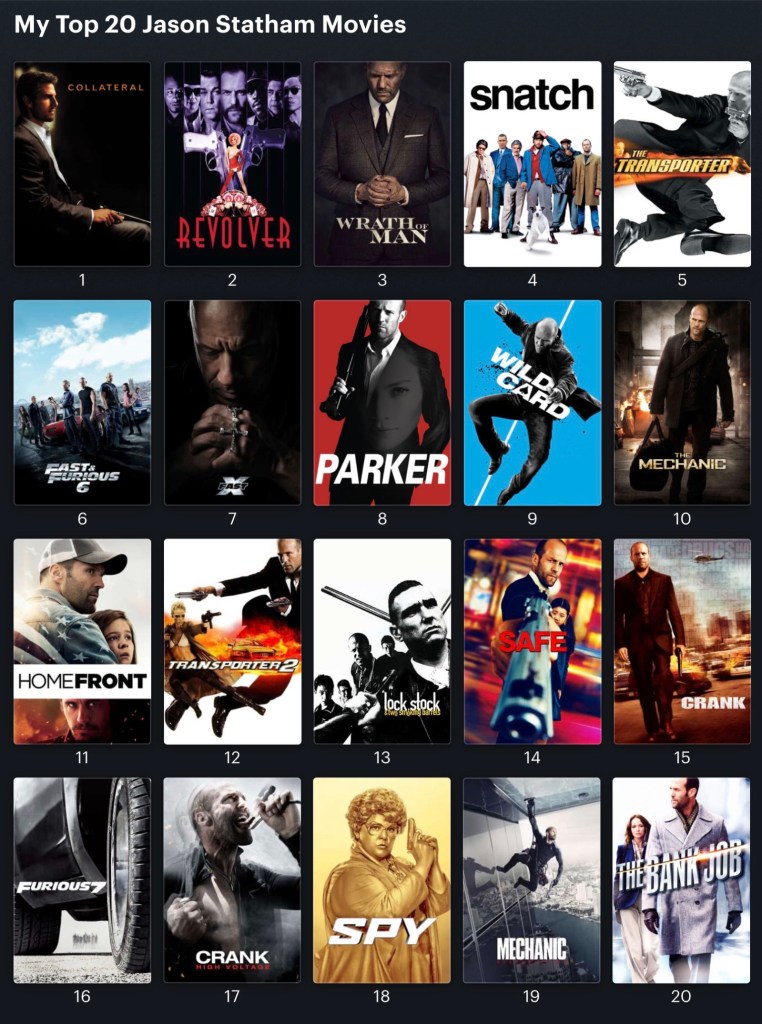
The first half of this is very funny, the second half gets stuck in the rut of indulgent improvisation and a plot that corners itself with nowhere really to go but 30 minutes still on the clock. McCarthy, Byrne and a game The Stath have good comedic chemistry between them so any scene that just leaves them be stands out. It is a pleasant night in… like watching a modern Pink Panther movie. One side note – industry commentators always note Bond is less popular in the States yet when Hollywood spoofs espionage, 007 clearly is still the gospel it works from. We’ve yet to see Bourne, Bauer or Atomic Blonde be the format ripe for affectionate ridicule. Spy is no different.
Roger Spottiswoode directs Pierce Brosnan, Jonathan Pryce and Michelle Yeoh in the spy action adventure where 007 faces down a media tycoon orchestrating WWIII.
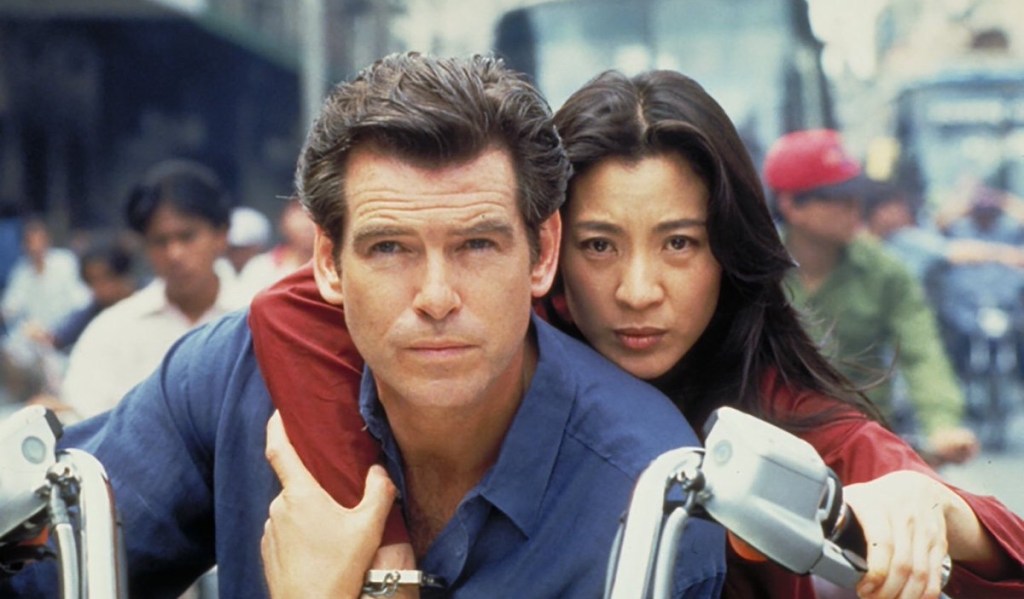
The strangely overlooked Bond… even though it hits the formula neatly and delivers everything you want with excessive elan. Action-wise, TND spoils us with five standout sequences. Bond’s ticking clock escape from the illegal arms fair has to be the best cold open of the franchise. The remote controlled BMW chase gives Brosnan the chance to gleefully show off his gadgets. A handcuffed leap from a skyscraper penthouse is iconic. The ensuing motorbike chases through the streets and rooftops of Saigon is a showstopper. Bond and Wai Lin (still handcuffed together) dodging swarms of bullets and helicopter rotas while trying to gain the upper hand on the handlebars is a true marvel of the EON second unit machine. Then we get an elongated Bond destroys a secret base finale… only the base is a stealth ship fitted with drill torpedos and stinger missiles. For a lad raised on Die Hard and Commando, this feels like the first Bond to overtake the napalm and uzis of the Joel Silver / Carolco age! I’d struggle to think of any single blockbuster with two set pieces to match the arms fair escape and shackled motorbike pursuit in terms of crisp storytelling, spectacular stunts and sustained, escalating threat. OK… Terminator 2 but for a tentpole’s action to be mentioned in the same breath as Cameron’s masterwork…
This is the entry where Brosnan relaxed into the part. He was always a perfect fit for the role combining Connery’s machismo, with Moore’s sauve wink and Dalton’s more dramatic romantic. There’s no area where Brosnan lacks. I’m a broken record but it was the films that let the star down rather than vice versa. Tomorrow Never Dies is the true exception. It delivers everything you could want from a Fleming adventure while keep a pace with the modern market. The Broccolis have the precision down to a fine art here. Globetrotting, luxury, style, humour, gadgets, comic book geopolitics. Beautiful girls…
Two stand-out Bond women. Women… a rarity for the franchise. The broken hearted former flame in Paris Carver. Teri Hatcher is maturely glamorous as Carver’s wife and James’ past. After a chemistry filled pair of scenes (the actors didn’t get along on set allegedly), she is fridged. Less to drive Bond on further into the plot or “make it personal” but for a narrative ignorance as to what to do with her. We’ve already had to gloss over the idea that the villain isn’t the usual asexual tyrant we are primed for.
And we have already met Bond’s equal in Wai Lin. Chinese secret service, kick-ass but happy to team up for peace. Yeoh is one of the most enduring stars to play a Bond squeeze -she is comfortable with stunts, fighting, jokes and looking amazing. She probably is one of the best Bond girls because she isn’t just a girl. The movie’s biggest flaws are when in the explosive finale that Bond has to (HAS TO) save his capable equal a few times. Ruining the one element that could have made Tomorrow Never Dies revolutionary rather than merely rollicking.
Still the history books and critics can have Goldeneye. I know Bonds have more fun when they are ejecting co-pilots from one Mig up into another. And I didn’t even get to mention the legendary ‘cunning linguist’ pun or Vincent Schiavelli’s one scene, movie stealer assassin Dr. Kaufman.
Sarah Polley directs Michael Polley, Harry Gulkin and herself in this lauded documentary where the indie star interrogates her family history.
Using found footage, family photos, talking heads and actors to recreate fake “found footage”, Polley investigates a family secret often joked about. The revelations over the first hour are pleasing for the gossipy voyeur in us all. The film though then outstays it welcome… reaching for further significance with little else to add. Possibly the real weakness of the project is Polley herself is often just a disembodied voice, a background presence, for what feels like her story. It is churlish for her to hide away behind the camera when she has been the eye-catching lead all her life.
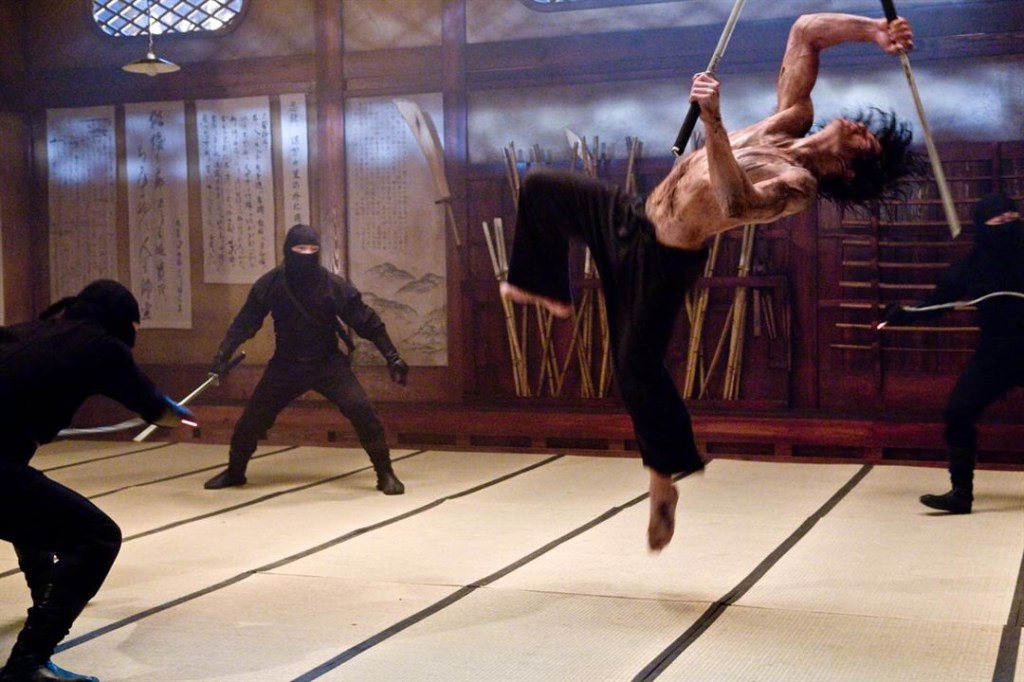
James McTeigue directs RAIN, Naomie Harris and Rick Yune in this martial arts actioner where a man raised from childhood to be the ultimate killer takes down the clan who trained him.
This would possibly be the most gory mainstream release ever, with hacked limbs flying like confetti at a wedding and blood copiously gushing from the wounds, if it wasn’t for the fact that all that butchery is CGI. The film itself is rote and loveless… once we leave the child soldier dojo there is nothing here but an expensive Jason Bourne rip-off in exotic pyjamas.
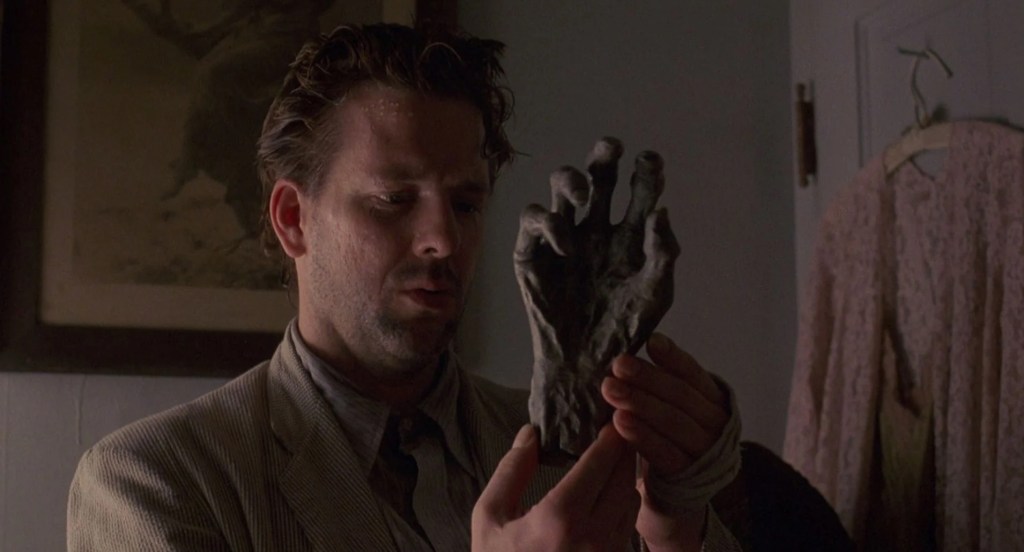
Alan Parker directs Mickey Rourke, Lisa Bonet and Robert De Niro in this horror noir where a detective seeks out a missing person for a demonic client.
Much like The Devil’s Advocate, this is a movie where clearly a character is going to be revealed as Lucifer himself but for some reason, and in spite of all the advertising spoiling the “surprise”, it holds the revelation back until the final act. Does De Niro make a good fallen trickster? Yes… and bizarrely it is mainly because he plays him like friend Martin Scorsese. The noir aspect is very random… this is a very waywardly plotted, absent minded, headless chicken detective mystery. Rourke is handsome and captivating in the lead role, an unreliable gumshoe. Watching this, it becomes pretty clear that Bruce Willis cribbed his schtick wholesale from the prettier but less enduring star. The whole thing looks fantastic. Parker is fully committed to force feeding atmosphere and dread into his already rich period locations. A classy piece of nasty to look at, with jarring scarring moments. A late in the action sex scene is particularly troubling for all the wrong reasons… discombobulating and perverse.











 Bobby Carroll's Movie Diary