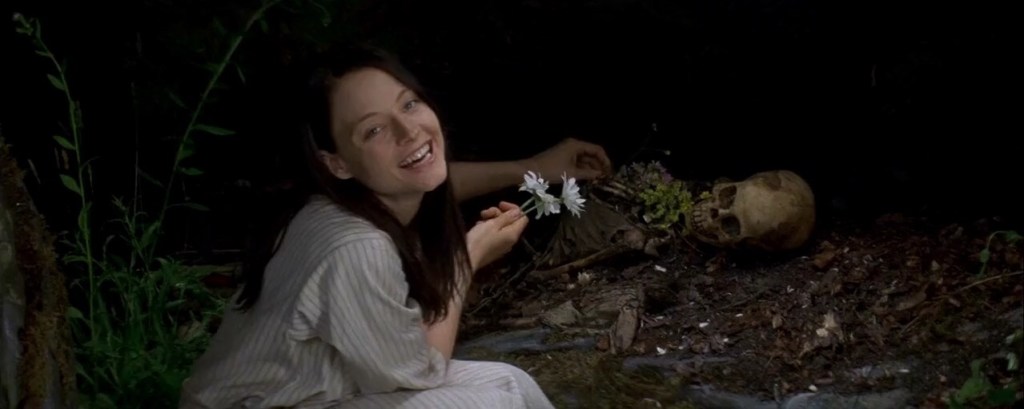
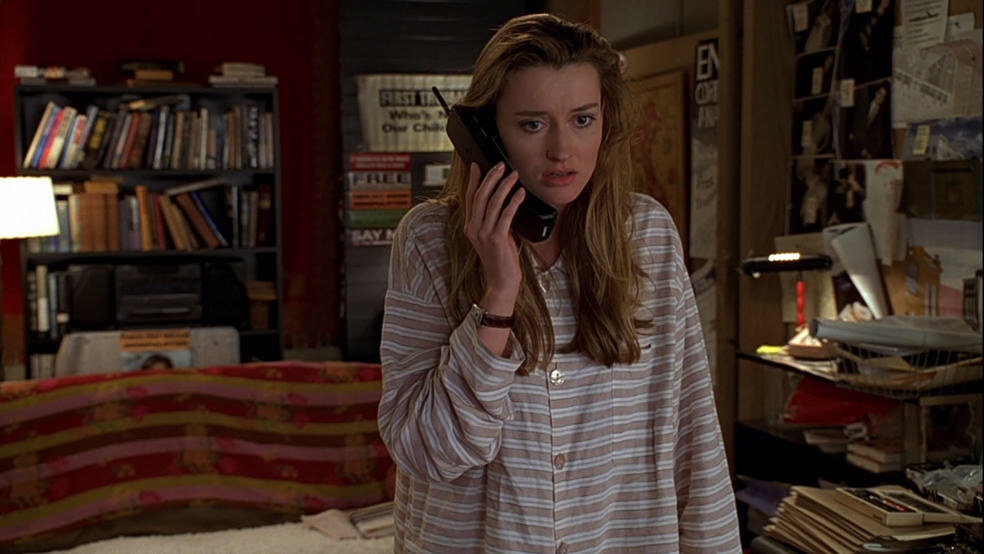
Michael Apted directs Jodie Foster, Liam Neeson and Natasha Richardson in this drama where a doctor and a language expert try to protect and communicate with a wild woman who has grown up in the woods with no English, technology or interactions with the world of men.
A film with its heart in the right place but a plot that is so compromised and rushed it ends up utterly laughable. Every breakthrough and victory feels unearned. You can detect a more sensitive, intelligent idea being panel beaten into a traditional Hollywood formula. A woman who doesn’t understand the concept of windows three minutes earlier knows the importance of making an eloquent courtroom speech (albeit in translated gibberish) about her right to be free moments later! That’s the worst example but not the only time the screenplay lazily makes a leap so we can get this unique tale to contain stock moments for the trailer and the Oscar ceremony. Was it notes from a studio? Star egos overwriting a more thought through draft of the script? Reshoots? Why are car chases and helicopter intrusions and the most unbelievable happy ending bolted and melded onto this? It is a serious, intelligent adult melodrama with no internal sense of logic and little practical reality. Foster does put full effort into her innocent enfant sauvage with a made-up language and autistic grip on reality. You do care and are convinced by her dedication to this slightly ridiculous creation. Of course you are, she’s a fantastic actress who has built up nothing but goodwill with the audience over decades of risky projects. Even she cannot elevate this cack handed material that judders through some pre-ordained motions inconsistently and unconvincingly. Nell’s biggest sin is we spend so little time in her world or with her she almost become an afterthought as Neeson and Richardson bicker and flirt and make schizophrenic decisions about her care. Their wooden experts steal centre stage from the title character. And bless them, neither have Foster’s talent, vulnerability or commitment.
Adrian Edmondson directs himself, Rik Mayall and Hélène Maheiu in this gross-out slapstick comedy where Eddie and Richie run a hotel by a nuclear power plant that ain’t getting any rosettas from the guide books.
Let me tell you how brilliant it is being married! You can drop all plans for the day on a dime when you realise Netflix is now streaming the much derided Bottom movie from the late 1990s and know both pieces of our two part human jigsaw are gonna fit together snugly in bed and love the fuck out of it! We laughed our arses off at the first hour. The violence that’d make Laurel & Hardy apply for restraining orders. The stupid running jokes like the boys saying “Pheeb!” through an antiquated intercom before communicating. The sheer demented enthusiasm of Rik Mayall to put himself in the most degenerate of poses and positions. He was a wild, smug, rude, sweaty, gurning, unrestrained comedy genius. Either you are going to laugh out loud at the fact that both Italian characters are named after pasta dishes or you should probably watch a Kevin Hart movie instead like the feltbrain you are. Nurr! Sure the film does run out of steam at the midway mark, relying on bad taste goodwill and endless vomiting rather than fresh jokes to get it over the finish line. But Edmondson directs it all with a hell for leather flair, the whole thing looks pleasingly like a low rent Tim Burton movie or a dirty postcard come to sped-up life. There’s enough anarchic comedy content for two good TV episodes of Bottom and at least they didn’t go to Spain for a holiday. Far, far better than its dismal reputation suggests. But admittedly still only recommended for British alternative comedy “specialists”!
Hirokazu Koreeda directs Haruka Ayase, Masami Nagasawa and Kaho in this family drama about three adult sisters who invite their estranged teen half sister to move in with them.
A deftly sweet movie that seduces you with its simple unfolding of story. There is very little conflict and minimal drama here. We just watch four young women grow together and warm to their new member while they make quiet decisions about their own futures. They eat together, have minor romances outside the house, attend more formal gatherings, notably funerals and the town fireworks festival. It is easy for any director to make you care for their protagonists in moments of great crisis or fantasy victory, for Koreeda to involve you and attach you to his family so intimately while only offering gentle waves of every day life is a fine achievement. It is almost the cinematic equivalent of ASMR. Japanese coastal community life is so attractive and peaceful as depicted here that the film contains another layer of delicate pleasure; a new dream life you’d never see on A Place in the Sun.
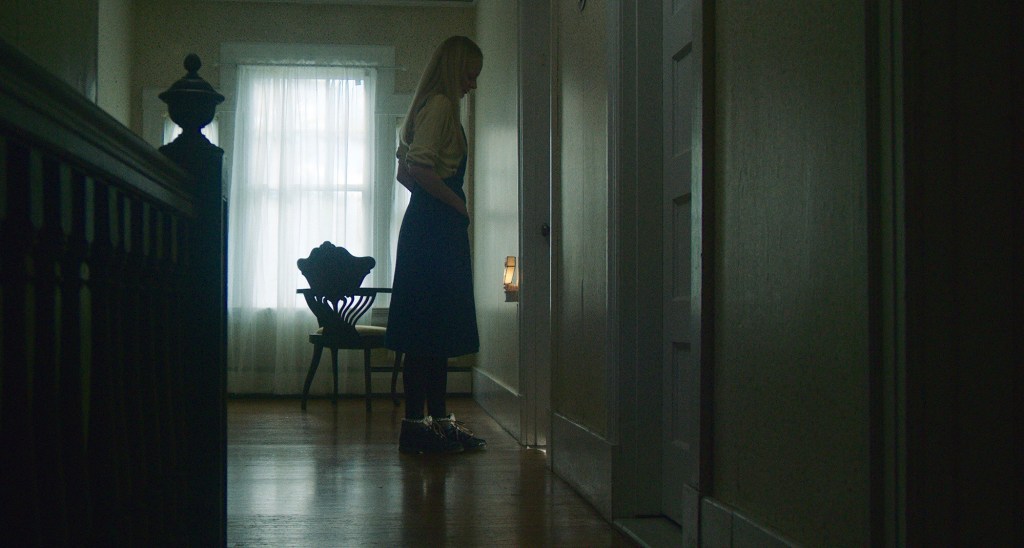
A.D. Calvo directs Erin Wilhelmi, Quinn Shephard and Susan Kellermann in this modern gothic horror where a shy girl moves in and helps her reclusive aunt in their dilapidated townhouse.
An exercise in style rather than substance. This is almost creepy at times, almost sexy in moments but never really capitalises on a tried-and-tested set up for scares and seduction. A film has failed if the highest praise you can give it is for its eye for costume design. At least someone had a good afternoon trolley dashing through the vintage shops!
Gurinder Chadha directs Parminder Nagra, Keira Knightley and Jonathan Rhys Meyers in this British football comedy were two girls rebel against their families prejudices and play for the local team.
Post-The Full Monty British cinema was pretty much dominated by garish sitcoms where unlikely underdogs took up popular hobbies to a ridiculously upbeat soundtrack. Social issues are flirted with only in a tone deaf way, the DVD cover was unwaveringly either custard or lime green coloured. Bright, surface-level empowerment fables still with a semblance of Kitchen Sink Realism in their much mutated DNA. Bend It Like Beckham is actually one of the better ones despite the fact it looks and sounds like a kid’s teatime show rather than a multiplex release. It has issues that have aged as badly as I suspected they might 18 years ago. The plot gets stuck on repeat… how many times is Jess gonna get caught by her family and told not to play football? Eight times?… Nine times?! And despite that deceitfully cheerful pop music brainwash telling you what a jubilant time this all is… the lightweight film definitely outstays its welcome. A warm and attractive central performance by Nagra covers up a lot of fluff and contrivance.
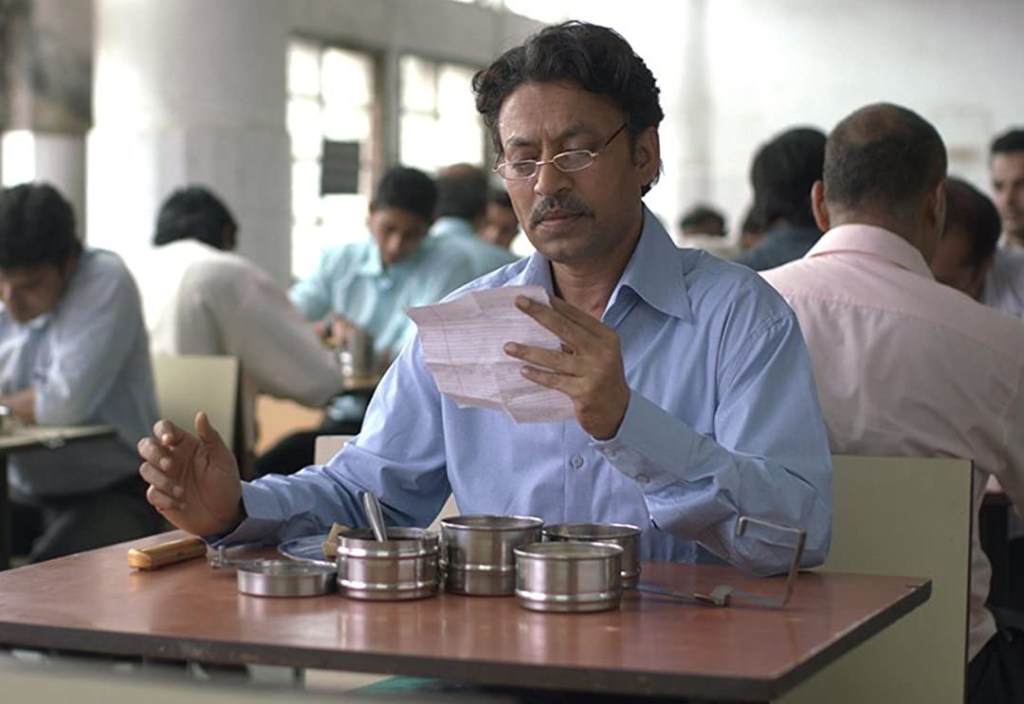
Ritesh Batra directs Irrfan Khan, Nimrat Kaur and Nawazuddin Siddiqui in this Indian romance where a retiring office worker begins receiving the wrong lunch box prepared by a frustrated wife he has never met.
Just a lovely film. Accessible to all but subtle in its gentle manipulations. Khan and Kaur have conspicuous chemistry for two people who share minimal screen-time. His central turn as a lonely man slowly recalibrating his life in unexpected ways is a symphony of restraint and taciturn likability. Treat yourself to one of modern cinema’s finest screen romances.
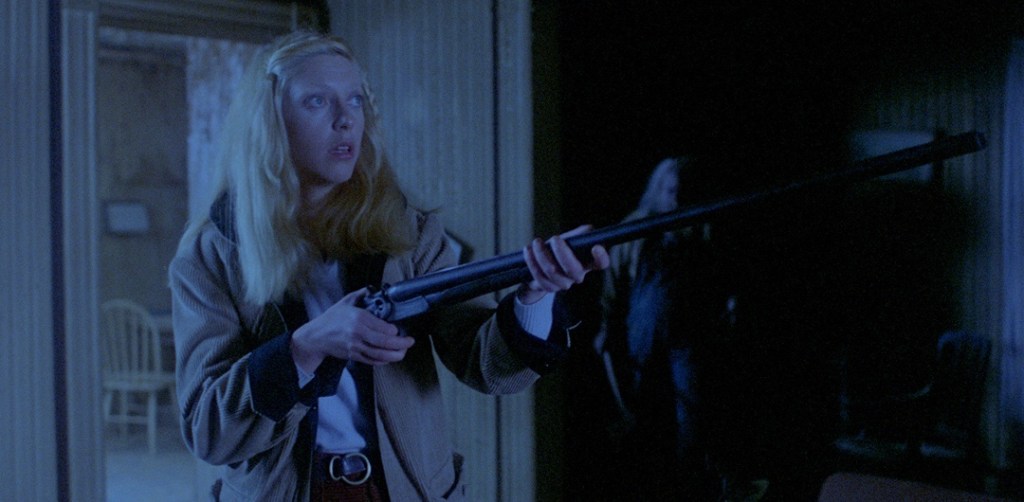
Joe Giannone directs Alexis Dubin, Paul Ehlers and Tony Fish in this slasher in the woods.
Basic, cheap and nasty. Sticks to the formula, doesn’t put a foot wrong. The acting ain’t great but not laughably bad. The kills are forgettable but at least vary in the moment. Madman Marz makes for a decent enough monster. Builds up a modicum of hysteria by the finale.
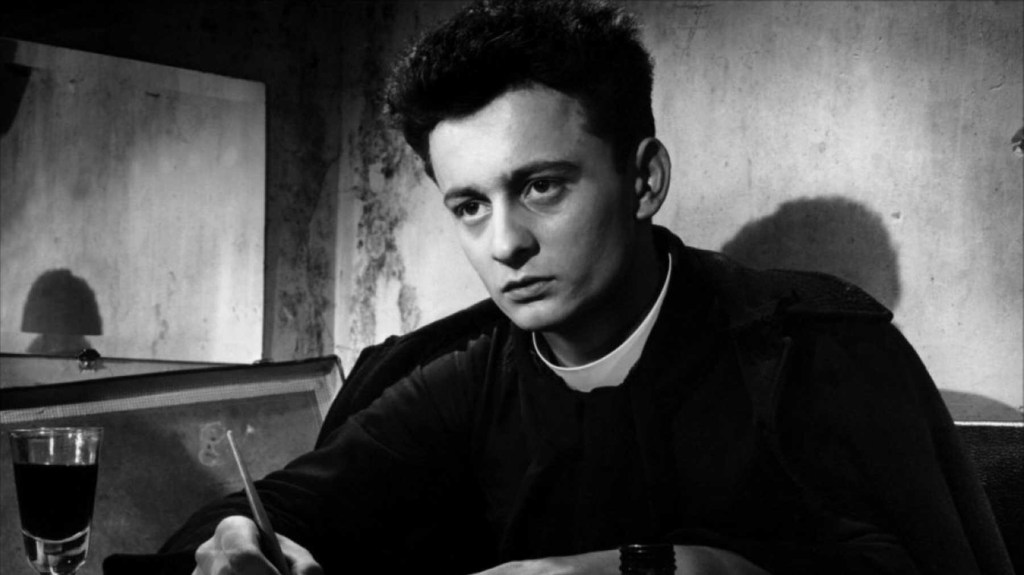
Robert Bresson directs Claude Laydu, Nicole Ladmiral and Rachel Bérendt in this French arthouse drama where a sick priest is ostracised by his parish.
Boring as balls. Considered one of the greatest films ever made, this for pretentious nerds who don’t like movies. They don’t like Groucho outwitting a countess. They don’t like Popeye Doyle chasing an assassin under the elevated train tracks. They don’t like Harry meeting Sally. They don’t like Brad Pitt fighting Bruce Lee. They wanna watch sickly fey priests mope about in gut rot squalor because they think it makes them better than us. Blind faith in talk and symbols over action and marvel.
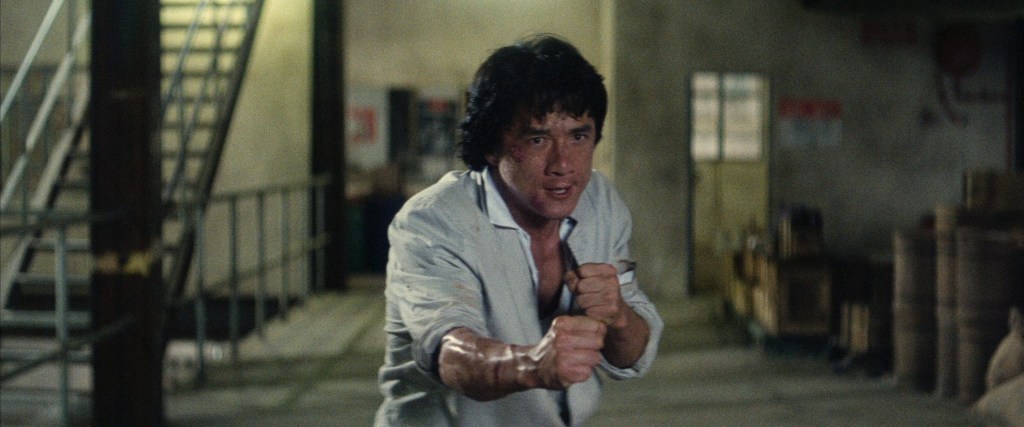
Jackie Chan directs himself, Maggie Cheung and Charlie Cho in this kung-fu action comedy sequel where the dedicated cop tracks a mad bomber.
This could have been a re-run of all the dangerous fun of the original. Instead bloat sets in. There are sidebars a plenty, very few of them fruitful. Jackie gets fired, suspended, retires, demoted, goes undercover, leads a team of sexy surveillance operatives. None of these distractions result in the lunatic mayhem that makes the original sizzle. The best moment of physicality in the first hour is when Jackie answers multiple phones on his lunch break. Keeping the parallel conversations going like they are spinning plates. We do build up to an action spectacular in a fireworks factory and while I’m sure the stuntwork is just as risky even this feels slightly lower key compared to the first hit’s mall battle. Still a solid entertainer. Only a Hong Kong thriller could get away with an older cop’s bad farts creating tension during a bug planting sting operation!
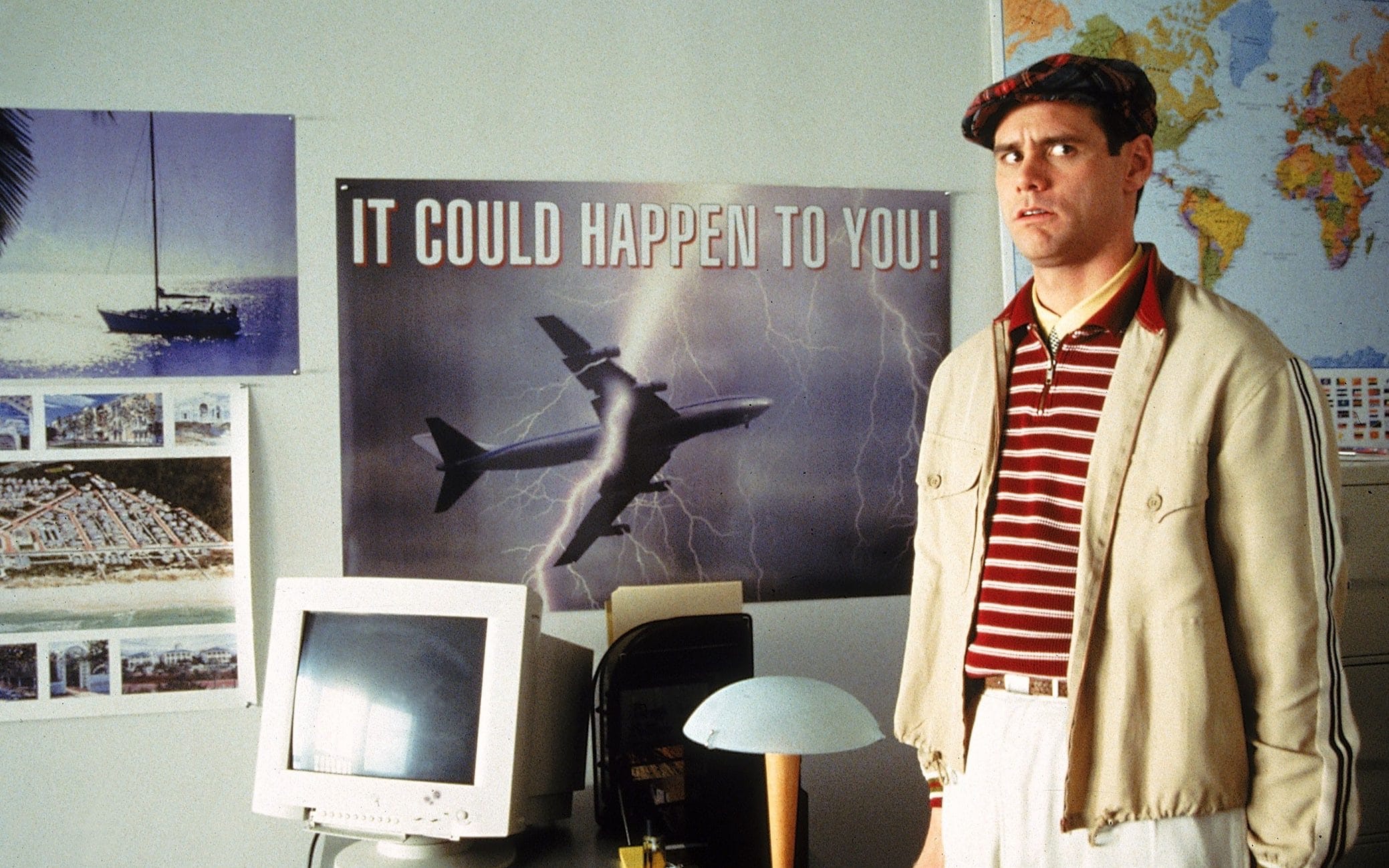
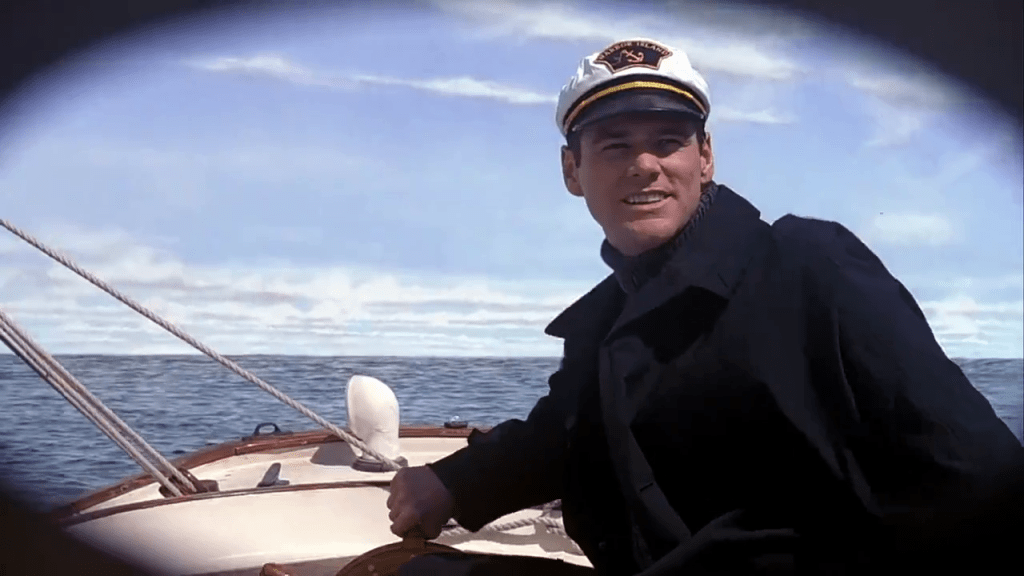
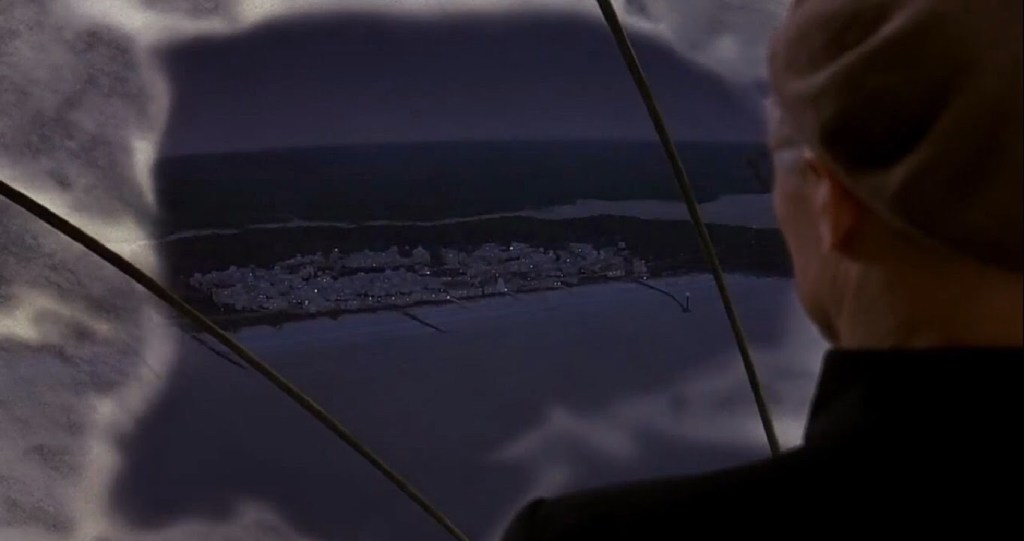
Peter Weir directs Jim Carrey, Laura Linney and Ed Harris in this sci-fi satire where a man’s entire life is an artificial TV show; constructed, orchestrated and acted to give him a “normal” life for the world to watch.
A perfect film – simple yet complex, heartwarming yet intellectually rich, silly yet utterly involving. Loads of philosophical readings and textual analysis was done about The Truman Show the moment it was released. I’m not going to add another reading to this brilliant marvel of studio filmmaking.
Thoughts:
* The TV scaffolding around Truman’s world falls apart with increasing escalation over the week. What is happening that lighting structures aren’t being maintained / radio channels are merging / former cast members make it on the lot? Sabotage, complacent human error, natural decline and obsoletion of the construct, something more calculated…
* The film shares a lot of DNA with The Shawshank Redemption. The perfect flow and pace of the time skipping storytelling, the messiah like Everyman breaking free, the nostalgic benevolence of the prison. Postwar Americana presented as a flawless yet superficial trap. Is the view of the recent American past of enforced retro mood and oppressive safety and homogenous community something to be rejected and overcome? Why is cinematic nostalgia so comforting but threatening? David Lynch plays around in this anomaly too.
* Carrey is perfect in this. He convincingly sells the idea that this unspectacular fake life is centred around a personality quirky yet warm enough to become global entertainment mainstay. You never see him suppress his natural anarchism. He just delivers it all in a different register. Even though it is a far more sophisticated entertainment than say Dumb And Dumber or Ace Ventura this will probably survive the test of time and be the movie a century later that represents him. He is going to be strange comedy star for the uninitiated to explore. I guess Man on the Moon, Eternal Sunshine and I Love You Phillip Morris match up nicely with this gentler brand of Carrey but god knows what future generations will make of The Riddler or Sonic the Hedgehog if their introduction to him is his more highbrow, straightfaced classics?
* There are plenty of glorious moments of explained surrealism. The personalised rainfall or wall of sky. But the moment where the moon becomes a spotlight, the town become a search party lynchmob, the friendly dog snarls is genuinely disturbing.
* Truman’s escape. He would have had to record his snoring at least the night before so it would be unnoticed by the cameras and microphones. He could only record hours of fake sleep noises undetected while he was sleeping. He’d need Meryl out of the house to do this (hide a tape recorder in his bed). So is his violent confrontation with her a calculated move to drive her off the show? Part of his unspoken, internalised long game? At what point does Truman start plotting and playing along with a break for freedom in mind? Long before his mirror wink, I’m guessing.
*Every shot in the film is an interior shot in the reality we are presented. We the viewer never go actually outside in the plot.
* His best friend Marlon played by Noah Emmerich is a slippery character. He appears heartfelt in his interactions with Truman but he is happy to spout the party line when convincing him his founded suspicions are just paranoia and whimsy. I guess he has to keep his job and no Truman… no Truman Show. It is the role of a lifetime literally and he probably would struggle to get cast in something else if the public believe him to be merely be the best mate on that reality show for three decades. So Truman’s incarceration and slavery in unreality is to his benefit. BUT… there are a few references to Marlon leaving the show for months and seasons previously. A holiday or illness or trucking job. Is this a contracted break for the featured actors so they can escape to the real world? Or punishment for some infraction that made Truman doubt his elaborate cage? Suspension as a reprimand or threat for revealing the walls of heaven?
* And the flashback scene where Marlon and Meryl try to lure Truman away from the library is pregnant with disturbing information. It is one throwaway shot setting up a situation where Truman might hook up with the extra he is not supposed to interact with. He is introduced studying hard. And his “friends” actively want him to blow that off and go have fun. Do something more entertaining for the viewers than read a book on set. Truman wants to rebel against the needs of the show and educate himself (tragically for a pre-ordained career he’ll have no say in and no prospects in). They want him to go do something less boring and audience friendly. This is the smoking gun that show as directed does not have Truman’s best interests at heart. They want him dumber and less dedicated. They (or Christof) values action over achievement. It is a silently bleak moment that makes you wonder at what other points aside from this have his ambitions and desires and hard work been stunted by conspiracy and giving the people what they want.
* The use of Philip Glass’ minimalist classical music is fantastic. Yet Burkhard Dallwitz’s pensive, paranoid original score is massively underrated. Also the pop at the school dance is 50s be-bop covers of 70s rebel rock classics. How is outside culture warped and selected for Truman? Christof has obviously filtered what music, movies and modernity can be accessed in Seahaven. What permitted hits can he listen to in bastardised form that won’t make him rebel, question or explore?
* Dennis Hopper was fired from the role of Christof after the first few days of filming. Was their original God too demonic? Should the omnipotent controller and creator be a whispering observer or a snarling tyrant?
*What is Truman’s life outside the set going to be like now? Hounded by the public who feel they own him. With no recognised qualifications or assets. All the products he is used to consuming only available via an online store tied to a TV show that must now be cancelled. How will he approach a world of random threats, pornography and drugs, where the cars don’t stop to let him pass and the crowds don’t part to allow him to be unwitting centre of the world? Where everyone doesn’t interact with him with full enthusiasm and gusto in the hope of becoming a series regular? How is Truman going to deal with a queuing system? Or a mugging? Or watching himself in reruns? Can he and Lauren co-habit based on thirty minutes of sexless interaction a decade ago?
* What would happen if Truman just stayed? What would that TV be like? A man who knows his world, though fake, spins around his every action? Would the public still watch? Would it be a ratings boost? Or a quick cancellation? And then what happens to Christof and Truman’s reality?





 Bobby Carroll's Movie Diary