Superman (1978)

Richard Donner directs Christopher Reeve, Margot Kidder and Gene Hackman in this superhero origins story where a Kryptonian orphan is raised on Earth and becomes the humanity rescuing embodiment of “Truth, Justice and the American Way.”

The birth of a genre that now dominates cinema. What still makes Superman such a crowd pleasing thrill is not the FX work, nor the epic scope that takes us from Krypton to the Fortress of Solitude to the New Yor…ahem… Metropolis skyline to the San Andreas fault. Not even the busy all star cast, for it is the two unknowns who make the lasting impression. Superman’s strength is the unguarded sweetness of the romance between himself and Lois Lane. Kidder and Reeve have perfect chemistry, they are unbeatable in their roles. She is full of spunk and goofy guile, he is just the epitome of natural heroism. Their first date in the skies is a sequence so full of wonder; the irony free internal monologue poem of Lois as she flies through the air, the muscular tenderness of Supes as he protects and seduces his paramour. You don’t get moments like that on the big screen anymore. They justify the goofier plot machinations of the time twisting finale. It is the resolution we want even if it makes zero sense, and if we can believe a man can fly then we can forgive a plot that rewinds itself to gift us a happy ending.

8

Peeping Tom (1960)

Michael Powell directs Carl Boehm, Anna Massey and Moira Shearer in this London thriller about a serial killer who likes to film his victims fear as they realise they are at his mercy.

An unsettling experience, seedy and daring yet still set in the world of cinema where posh accents and the class system rule. It often feels like an Ealing comedy with sexual violence, child abuse, back alley fumbles and scarred perversions. This is the gateway, the “Newman’s Passage”, from a chaste and reserved form of British cinema, to an unflinching, uncensored modernity. With its nudity, fetishes and violence it actually feels more adult and risky than most modern releases. Yet it still has room for a Moira Shearer dance number and bumbling coppers. It has to have its cutting edge transgressions… it is a film that explores pornography, the desire to watch and record that that should not be seen. Powell explores this in his characters and he explores it in us. The film is a warped mirror, turned on the viewer, so we can see our leering grotesqueness. It is a film with more ideas to churn around than Hitchcock’s similar Freudian Grand Guignol Psycho, though that contemporaneous classic is still the tighter and more satisfying genre daredevil. The vivid use of colour is marvellous. Brian Easdale’s cheeky and intrusive score sticks in the memory. The casting is a little off but somehow works better for it. Carl Boehm’s thick German accent is ignored, he brings a vulnerability and inscrutability to his central turn. Massey sells her attraction to the quiet boy upstairs but you never are sure whether she desires the sweetness of the man or his mysterious perversions which are blindingly obvious from their earliest interactions. Maxine Audley is also fantastic as the bitter, housebound mother who knows more about the plot and the world than everyone else. Unevenly paced and tonally off, you can see why the film was reviled on release but it proves a rollercoaster of romance, shock, self parody and tragedy for current movie fans. A landmark.

9

Bumblebee (2018)

Travis Knight directs Hailee Steinfeld, John Cena and Jorge Lendeborg Jr. in this soft reboot of the alien robots who can camouflage themselves as everyday vehicles saga.

I haven’t been to see a Transformers film since the first one. That moneymaker suffered from unloveable leads and FX driven action that was way too visually cluttered to follow. The sequels all looked like more of the headache inducing same but with bonus tasteless jokes and dafter evolutions. I saved some time and sanity and decided it all wasn’t for me. Yet Bumblebee felt different. Hailee Steinfeld is front and centre – an actress with buckets of natural magnetism and far more acting talent than her part needs. The retro 1980’s vibe isn’t just a gimmick to get a solid upbeat vintage soundtrack into the mix. This intentionally, rather shamelessly, feels and plays like a forgotten Amblin flick from my youth. The relationship between the child and the fantastical robot, the awkward teen romance, the goofy family who pitch in, the ethereal lighting… like every day is the last week of a summer holiday… it all recreates the formula. Simplicity, warmth, adventure. What a family blockbuster used to promise. The action is clean and clear, Knight’s animation background means he can marshal many moving parts without ever losing you in the geography and stakes. And the construct of Bumblebee himself retains a winning personality so you care whether he is saving the world, fighting for his life or causing chaos in the domestic setting. A self consciously old school treat, not life changing but franchise reviving.

7

John Grisham’s The Rainmaker (1997)

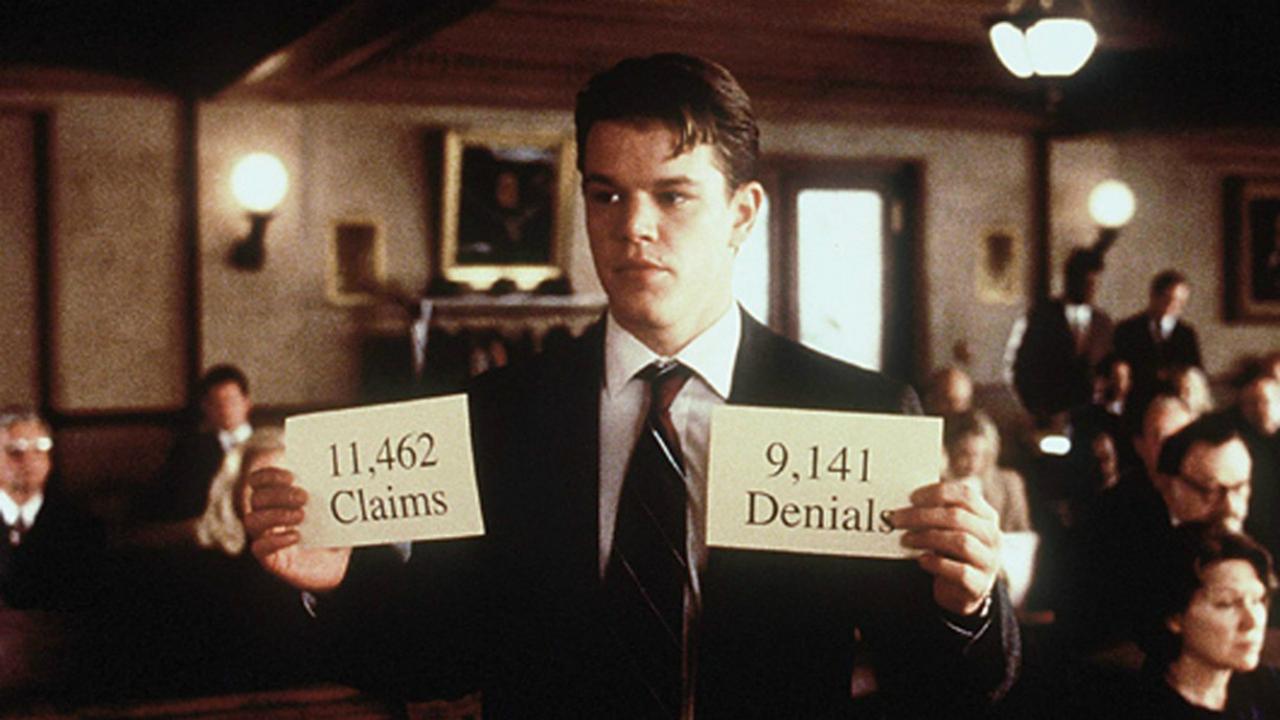
Francis Ford Coppola directs Matt Damon, Danny Devito and Claire Danes in this courtroom drama about a just graduated ambulance chaser whose first trial sees him take on a massive insurance corporation.

I have typed this sentence before. We got a couple of Grisham adaptations a year in the 1990s. That’s neither a lament nor a call for a revival. All were starry affairs, filmed with golden brown autumnal palettes and containing bursts of physical jeopardy that seemed to have very little significance to the final outcome. Competent, mature entertainment that never threatened to be classics. The Rainmaker was somehow the best of these. Almost by accident. It actually feels like a trial drama rather than a thriller featuring lawyers which helps massively. Gun-for-hire director Francis Ford Coppola wrings some genuine pathos from the glum subject matter, jazzily approaching the busy ensemble and intelligent dialogue with a skilled confidence. There are some beautifully framed shots and personal moments that other directors would have carelessly edited out for studio pleasing slickness. The fact that such a fine cast (one that has the likes of Virginia Madsen and Roy Schneider as the twentieth billed names in the credits) is so well utilised must be down to him. If not a perfect film, it is, at the very least, his last great one… and considering the airport novel origins, that’s admirable. Damon makes a fine stab at his first lead role, Hollywood must have eyed him as a Cruise replacement in waiting but he actually harks back to a Jimmy Stewart or a Robert Redford brand of decency here. There’s something genuine and committed about him in a part not as automatically showy or testing as say Good Will Hunting or The Talented Mr Ripley. It helps he is surrounded by such a rogue’s gallery. Mickey Rourke is a smiling wolf, Devito a bottom feeding schlub, Jon Voight the oily personification of corruption. Among these fiends with Filofaxes, anyone could come away looking like the last bastion of All American pluck.

7

My Top 10 Francis Ford Coppola Movies

  1. The Godfather (1972)
  2. Apocalypse Now (1979)
  3. The Conversation (1974)
  4. The Godfather Part 2 (1974)
  5. Hearts of Darkness: A Filmmaker’s Apocalypse (1991)
  6. The Rainmaker (1997)
  7. The Godfather Part 3 (1990)
  8. Peggy Sue Got Married (1986)
  9. The Outsiders (1983)
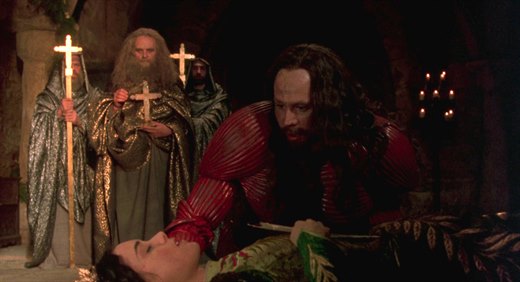
  10. Bram Stoker’s Dracula (1992)

Free Solo (2018)

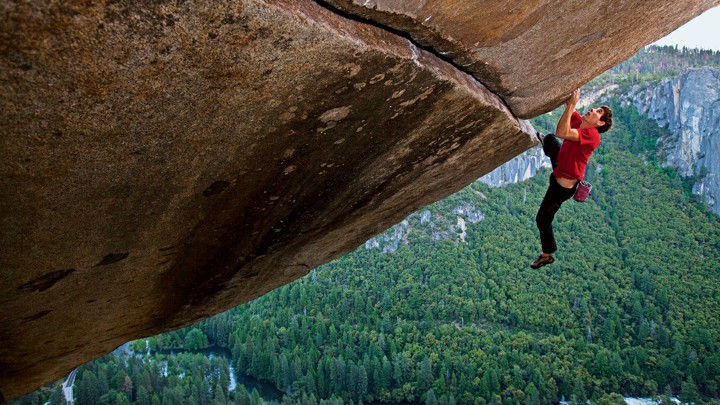
E. Chai Vasarhelyi and Jimmy Chin direct Alex Honnold in this documentary about his attempts to achieve the first free solo climb of famed El Capitan’s 3,000-foot vertical rock face at Yosemite National Park.

One of the best reviewed documentaries of the year suffers from my regular issue with most docs. Feature length is a bad fit. 45-60 minutes keeps a tight focus, mini series length allows you to explore far reaching ideas gracefully. 90 minutes though nearly always results in dull faff after the facts are established and before the conclusions are reached. Unlike fiction features, documentaries don’t lend themselves to sub plots or multiple character arcs. Here, we are sold on the idea that Alex Honnold’s near autistic approach to relationships and spartan existence give him the focus to achieve the near impossible within the climbing community. The daunting fatality of the El Captain rock face is essayed so that even a couch potato like me can understand the difference between this and other unassisted climbs. We look over Honnold’s shoulder as he processes the climb, studies and experiments with it with ropes and partners in advance. We see the positives and negatives of the new girlfriend in his life, creating comedy and tension. We see the film crew and his lover’s dismay as they discuss the deadly challenge they are about the be a party too. We feel their fear, their compromised feelings about enabling him in such a risky endeavour. Then the film grinds to a halt for twenty minutes. Alex postpones his climb but we can’t truly explore his internal monologue directly as he still needs to psychologically gear himself up for the task again. So we are left in limbo. When we eventually do get going, the achievement to celebrate feels more like his new found agency to go for it, rather than witnessing the actual arduous slog up the mountain. If it were 40 minutes of scene setting then a 20 minutes of climb you’d savour every grip and jump without losing any information or telling moments. At 90 his superhuman trial feels like lengthy punctuation point to a sentence already long finished. Well made but not nearly as intense as its subject deserved.

6

Eddie the Eagle (2016)

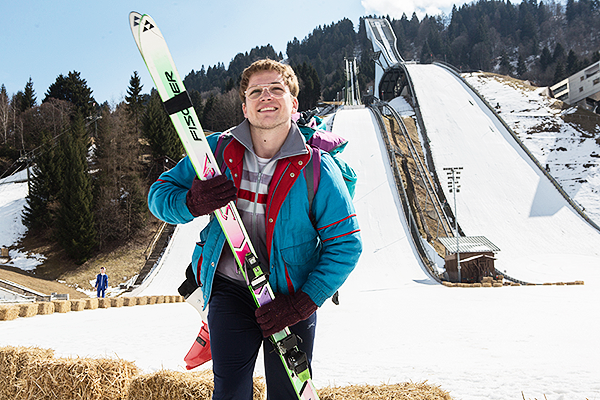
Dexter Fletcher directs Taron Egerton, Hugh Jackman and Keith Allen in this sports biopic of the British ski jumper who captured the imaginations of the 1980s public despite not being particularly great at his chosen field.

Almost exactly like Cool Runnings (a film also inspired by a set of unlikely athletes who featured in the very same 1988 Winter Olympics), this is a kids flick powered by a winning blend of warm heart, light drama and soft comedy. It is not going to win any awards nor be held up for its historical veracity, yet it amplifies a footnote in sporting history with colour and excitement. Egerton plays Edwards big and unpretentiously, the gurning and the enthusiasm and the simplicity of the performance match my childhood memories of Eddie The Eagle’s celebrity appearances. He was so unguarded and clearly a nice guy, the script and the star never stray from that interpretation of him. It is sweet to watch a biopic that doesn’t focus on tragedy, rather letting the subject’s minor achievements and inspirational hard work be their own justification for the big screen outing. Jackman is also very good value, lending his big name cache to a basic stock role. Dexter Fletcher mines his leads for continually pleasing moments and sells the risks of the jumps with an aggressive persuasiveness. All in all you get a neat little romp for all the family.

7

The American Friend (1978)

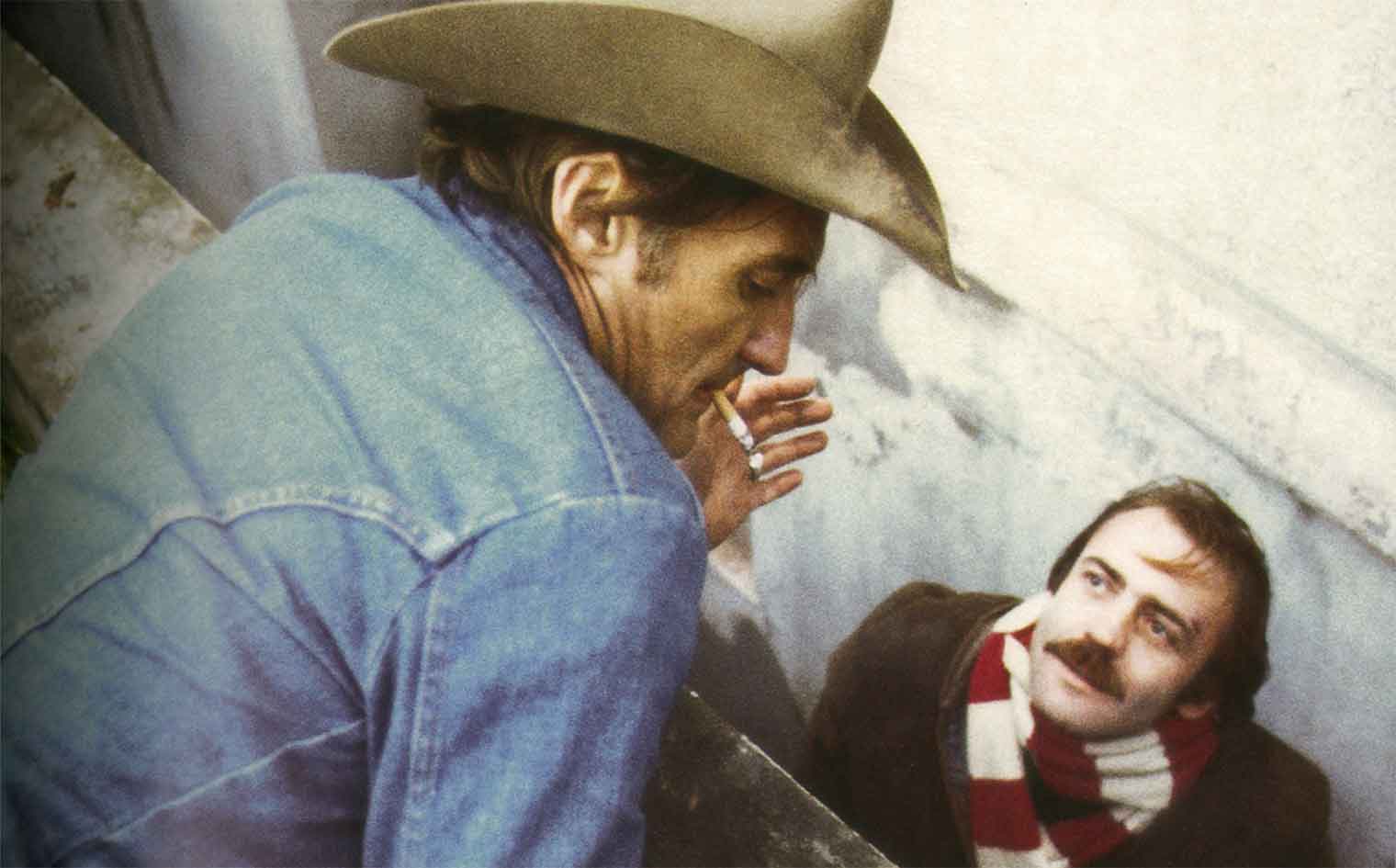
Wim Wenders directs Bruno Ganz, Dennis Hopper and Lisa Kreuzer in this adaptation of Patricia Highsmith’s Ripley novel, where the deadly manipulator entangles a picture framer into the business of assassination.

One of the very first Neo-Noirs, this is more interested in mood than thrills, location than character. To say the performances are fluid is an understatement. The leads both act aqainst their own interests, and in contrast to their established natures, with alarming results. It is hard to tally Hopper’s shifting interpretations of Ripley with each new scene… he flows from vengeful schemer to genial persuader to altruistic bodyguard to wild besieged prey. Maybe Wender’s (and Highsmith’s) point is if you take a man out of his natural habitat he changes, loses his ethics to the new environment… Sadsack mark Bruno Ganz might not make the most effective stalking hunter on the Paris Metro but he surprises himself and us by going along with the high crime. And that’s just on one trip away from home. Ripley has been without tether or anchor for years. He’s like Dracula in his mansion… alone… waiting for tragedy to arrive on the horizon. Hopper is far less controlled and subtle than other big screen Tom Ripley’s but no less seductive and complex. While it idles frustratingly as a genre piece, it is satisfyingly off kilter as a piece of filmmaking.

6

My Top 10 Neo-Noirs

1. True Romance (1993)
2. Leon (1994)
3. Pulp Fiction (1994)
4. No Country For Old Men (2007)
5. Shallow Grave (1994)

6. Mystic River (2003)
7. Memento (2000)
8. The Usual Suspects (1995)
9. Glengarry Glen Ross (1992)
10. The Grifters (1990)

Krampus (2015)

Michael Dougherty directs Toni Collette, Adam Scott and Allison Tolman in the Christmas horror comedy about a family terrorised by naughty list festive themed beasties.

Clearly aiming to be a modern day Gremlins with its mixture of snow, decorations and deadly monsters… this misses the target. Krampus’ crippling problem is it takes up way too much runtime not being all that funny before we get horrific. We spend an hour in the arguing, bullying, nagging company of the ensemble. Home Alone managed to cover the same ground in seven minutes. When the mayhem finally arrives it is hard hitting. The creature design is evocative and disturbed. But we detest the cast so much (and there are some solid actors here) you wonder why the massacre took quite so long to warm up, and why it is in quite such a rush when we want to savour some of these arseholes’ demises. The holiday setting will mean it is now an option every December, maybe begrudging repeat viewings will smooth off those rough edges.

5

Mrs Doubtfire (1993)

Chris Columbus directs Robin Williams, Sally Field and Mara Wilson in this family comedy where a divorced Dad transforms himself into an elderly nanny so he can con his ex into giving him daily access to his kids.

A massive hit back in its day now proves a passable distraction. Overlong and self pitying, it only really comes to life in the housework montages and sections where the script is thrown out the window so Williams can riff and do voices at whatever extra can stare blankly at him the longest. There’s thankfully tons of both of these segments. The framing scenes are manipulative, syrupy and sitcom-my. An inflated TV show pilot that would have been cancelled if Williams wasn’t mixing it up front and centre.

6

Oliver Twist (1948)

David Lean directs Robert Newton, Alec Guinness and Kay Walsh in this classic tale of the orphan boy who gets caught up with some London pickpockets.

The first strange thing about Lean’s Oliver Twist is, through no fault of its own, you keep waiting for the cast to burst into song. Such is the cultural stranglehold the sixties musical version has that you cannot escape examining the bleaker version under the spotlight of mindwashed cockney sing-a-long comparison. And it is far bleaker, taking the high contrast gothic imagery that defined the prologue of Lean’s superior Dickens adaptation (Great Expectations) and committing to displaying the stark social horrors unwaveringly. The second strange thing is Alec Guinness’ pantomime Jew stereotype. A hangover from a more prejudiced time, his racially awful Fagin stinks a fair few scenes out for modern noses. For such a tight and visually daring film to be hampered by such a dated piece of physical anti-semitism jars. If you can get over that shoddy barnacle, then this is an otherwise perfect slice of Victorian tragedy.

9