Aloha (2015)

image

Cameron Crowe directs Bradley Copper, Emma Stone and Rachel McAdams in a romantic comedy set around a satellite launch in Hawaii.

Better than its reputation at the box office, in the press, within its own studio and the backlash about honky Emma Stone being cast as a character who is a quarter Hawaiian suggests. Crowe is a director who has gone off the boil since Almost Famous but his lesser films still have the charm of someone trying to emulate mid-career Billy Wilder… or even early career Crowe. If anything the film suffers most from a very messy opening sequence where, in a rush to introduce all the characters and plot stakes in one long 1930s style gush, we are left by the end of the first act with no real idea of the who, the what and the why is going on nor what could happen. The later scenes that are salvage job reshoots are very obvious too; any clip where Cooper’s hands go yellow from fake tan and his hair is a shade darker are obvious signs of a loss of faith in the intended product. Despite all this the film actually settles down into a relatively enjoyable and captivating adult romcom in the last hour, bolstered by an AAA Grade supporting cast and another stand out turn from Stone. On paper she may seem like controversial casting but in the actual experience she pulls off a performance of wide eyed optimism and eagerness to ingratiate herself into her vague Hawaiian roots (the controversial quarter seems an intended joke on the clearly white character) that makes the film. A messy fumble of a flick for sure but I have inkling that on a third or fourth viewing that clunky handicap of an opening wouldn’t matter quite so much and the strands about modern corporate colonialism, death, rebirth, fidelity and tradition might make this a far more inviting prospect for reappraisal. In a decade’s time we could all be kicking ourselves for ignoring what could turn out to be the Blade Runner of sunny romances in terms of richness and depth. And with an ensemble like it has there’s every chance this film will have a long shelf life beyond it’s current horrid status.

6

2001: A Space Odyssey (1968)

image

Stanley Kubrick directs Keir Dullea, Douglas Rain and William Sylvester in a sci-fi epic from the dawn of man via space travel to a final stage in technological evolution.

Kubrick’s finest work for many still frustratingly rubs me the wrong way. Impenetrable when I first watched it as a teenager, this fifth attempt to appreciate it, having recently read Arthur C. Clarke’s tandem released novella as a type of York Notes, merely made me feel the book was far superior. The SFX innovation to achieve the vision impresses and the HAL chapter is hauntingly well realised (“I can feel it”) but everything around that sequence, the majority of the film, is dull and alienating. Being a massive Stanley fan away from this and Eyes Wide Shut I’ll trust that alienation is the intention and the fault is with me. It can only be attributable to human error.

4

Rumble in the Bronx (1995)

image

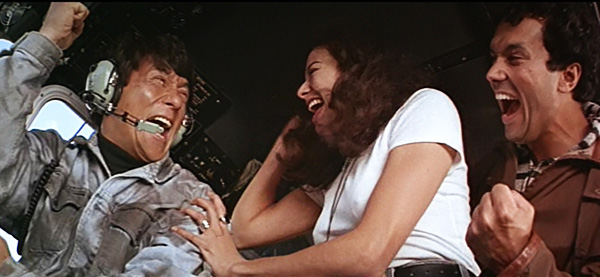
Stanley Tong directs Jackie Chan, Anita Mui and Francoise Yip in this American set actioner.

Jackie’s charm, skill and stunts keep you happy in a frankly mental fish out of water Kung Fu movie. Away from the amazingly choreographed fights and chases, do not come for anything resembling plot logic or emotional reasoning. The jist seems to be Jackie is protecting his uncle’s supermarket from a colourful motorcycle gang after his uncle sells it to a woman who turns out isn’t Jackie’s romantic interest despite various meet cutes betwixt them. Suddenly there’s a bag of diamonds hidden in a disabled boy’s wheelchair cushion (plus a U rated stripshow involving a tiger) and Jackie has forgiven the gang for mercilessly pelting him with glass bottles to near death in an alleyway so he can now chase a hovercraft through the streets of Vancou… Sorry… The Bronx. Mad as a box of frogs, a reel of the outtakes of stunts being achieved or going wrong set to Ash’s Kung-Fu at the end is the highlight.

5

The Finest Hours (2016)

imageCraig Gillespie directs Chris Pine, Casey Affleck and Holliday Grainger in this 1950s true tale of the coast guard rescuing the crew of a torn in half tanker.

The special effects are obvious but convincing, the derring do familiar and the pace respectful making this is a decent Sunday afternoon movie – comfortable and unchallenging. It has some plus points in casting Chris Pine effectively against type (he essentially plays Michael Shannon well) and just simply including Affleck, who brings his usual understated magic to a bland part. It is the kind of old fashioned movie that does nothing wrong yet struggles to justify its existence in the modern marketplace. Maybe the real heroes it was based on, the budget spent to realise it and the talent involved deserved a better film  but you could choose a far worse two hours at the movies at this time of year.

6


Triple 9 (2016)

imageJohn Hillcoat directs Casey Affleck, Clifton Collins Jnr and Kate Winslet in a frenetic cops and robbers thriller.

You’ll either leave Triple 9 feeling cheated by the simplicity of the characters, the familiarity of the plot threads weaved together and the murkiness of the storytelling… Or deeply involved by all the heft the stellar cast brings, the red raw and delirious level of detail embroidered into Hillcoat’s vision, and impact of the intense set pieces. It is an ensemble where few survive, the least known stands out, and that will be unsatisfying to many… but for me it was a much needed taste of big screen, adult crime storytelling. A taste I crave.

8

Childhood Rooms

Two things I watched this month, Netflix’s Jessica Jones and at the cinema Room, have a similar midway scene. Twenty something females, after a decade long, innocence definitely lost trauma, return to their preserved teenage bedrooms (or in Jessica Jones’ case recreated). You don’t need me to walk you through the simile… You get it.

image

Both times I wanted to see the band posters and boy pin up chosen by the set dresser or director. Did it feel true to a teen from the mid noughties? Or was it done with an adult rewrite of what kids now wish they were into with ten years mature hindsight? Or an even more obvious forgery by an older man just having a wild stab after googling 2006 into their search bar? They passed, the walls. But it was the actresses’ responses that resonated.

With Jessica Jones it felt like good creepy hook to dangle some character background off… But in Room, a fine film, it hit a nice emotional seam.

image

And walking away away from the cinema I thought “That’s all we’ve been doing this year. Going back home to childhood surroundings. Recreating them. Curling up in them. Taking comfort in their safe pleasures.” We’ve had too many remakes and belated sequels and reboots before. Years of it now. Maybe we are in the Matrix as so much of culture is now a JPEG of a photocopy of a fax of a sketch.

But all this rehashing had never really been approached with as much care and attention in repeating detail as the ones this year. Like the quickly forgotten The Thing prequel / remake they weren’t satisfied with recognised brand and a returning actor cameo, they really tried to clone the era we first experienced them in. The reason why Jurassic World, The Force Awakens and Creed work so well is not just that they take us back to simple, long in putted pleasures but they get the knick knacks on the nightstand right, the books and VHS shelves having been stocked and selected by someone who loves these rooms too. Lived in those cherished originals as much as we did. The product feels like it came from the same factory with the same materials. The new album has the hiss and crackle and little jumps of a constantly listened to vinyl of old.

image

The big movies of last year and now work because they are replicating a long cherished experience rather than existing as a mere cash in continuation with anachronistic modern sensibilities.

Apart from Mad Max: Fury Road… which evolves Max and the chase and the apocalypse through every rejected day glo action figure, rip off console shooter and 2000AD so that it times itself to the power of all that came in its wake. Straining to make something revolutionary out of the original parts all over again. Thanks for fucking up my rambling theory lousy Best Movie of 2015.

image

Still the key thing about experiencing Room was not that it crystallised my feelings about the tasty blockbuster reheats we literally queued up around the block for again. It made want to watch more Brie Larson. So I tried Short Term 12. Even better, even more affecting and now within a weekend she has become a new favourite. And before I go back to the Rocky well I want to make time to see Room director Lenny Abrahamson’s Frank. As getting the chance to travel back to our childhood and be awed all over again by dinosaurs, droids and Philly underdogs is great and good but what I love most about the movies is being surprised and excited. Discovering. Seeking out new favourites will do that, whereas there’s nothing but over watched dusty VHS tapes in the old room I first started loving cinema in.


My Top 20 for 2015

  1. Mad Max : Fury Roadimage
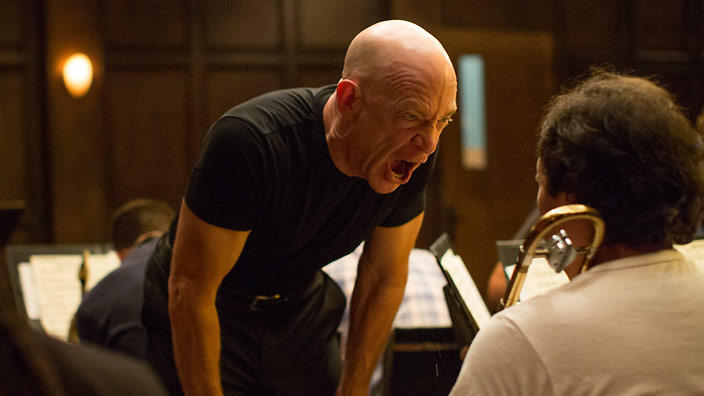
  2. Whiplashimage
  3. The Martianimage
  4. Crimson Peakimage.png
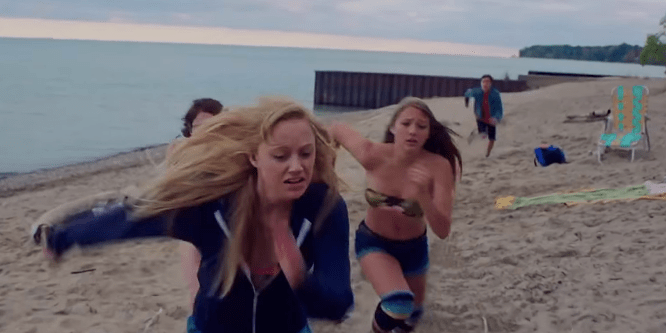
  5. It Followsimage
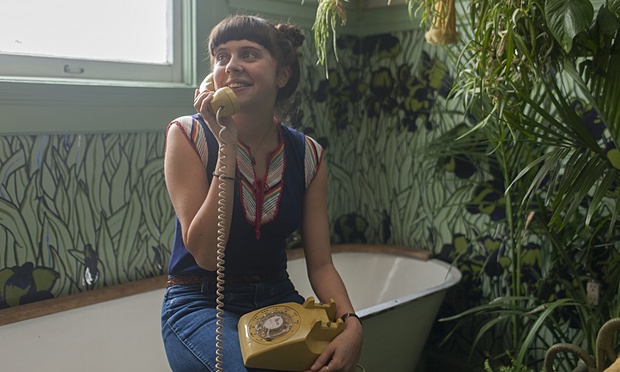
  6. The Diary of a Teenage Girlimage
  7. Star Wars: The Force Awakensimage
  8. Mission Impossible: Rogue Nationimage
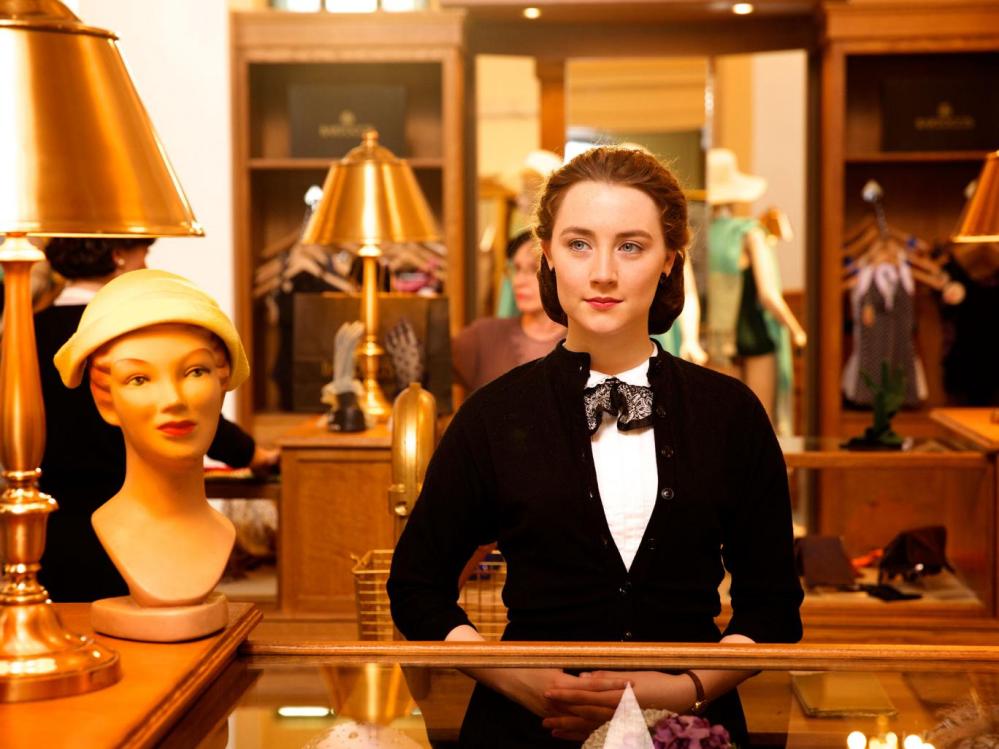
  9. Brooklynimage
  10. Kingsman: The Secret Serviceimage
  11. Panimage
  12. Sicarioimage
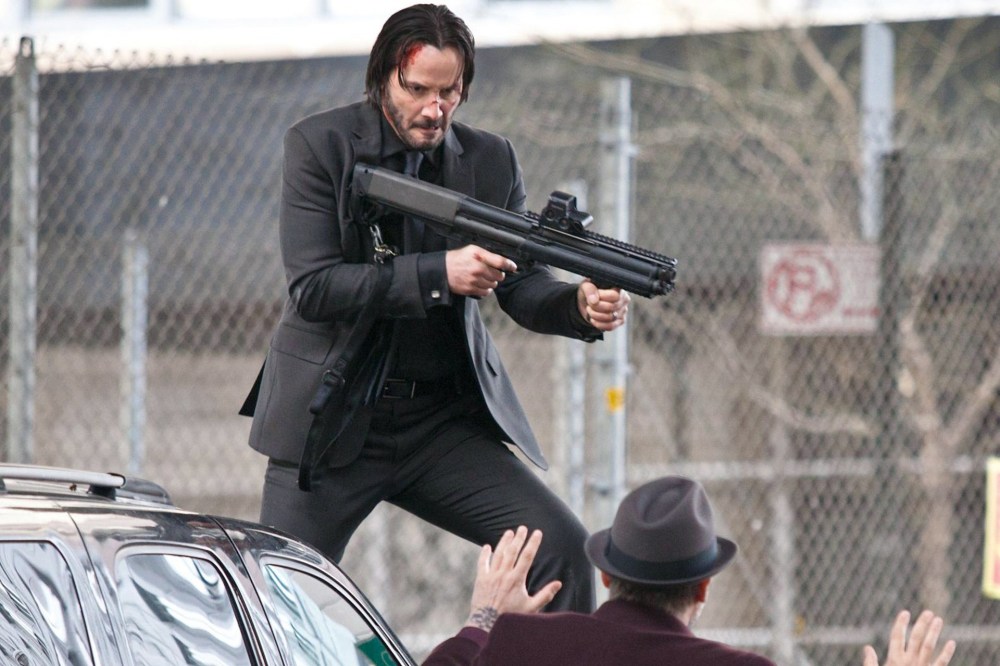
  13. John Wickimage
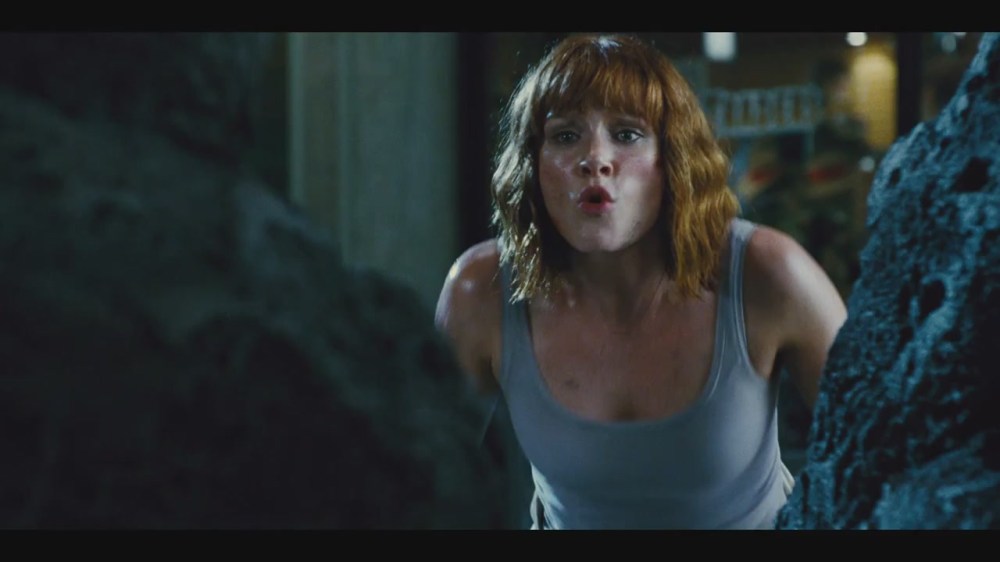
  14. Jurassic Worldimage
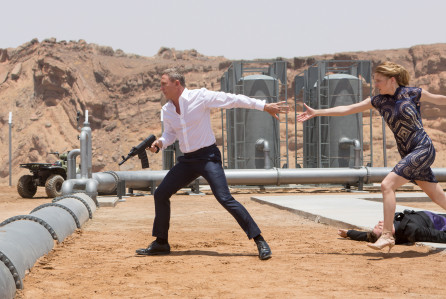
  15. SpectreDaniel Craig;Lea Seydoux
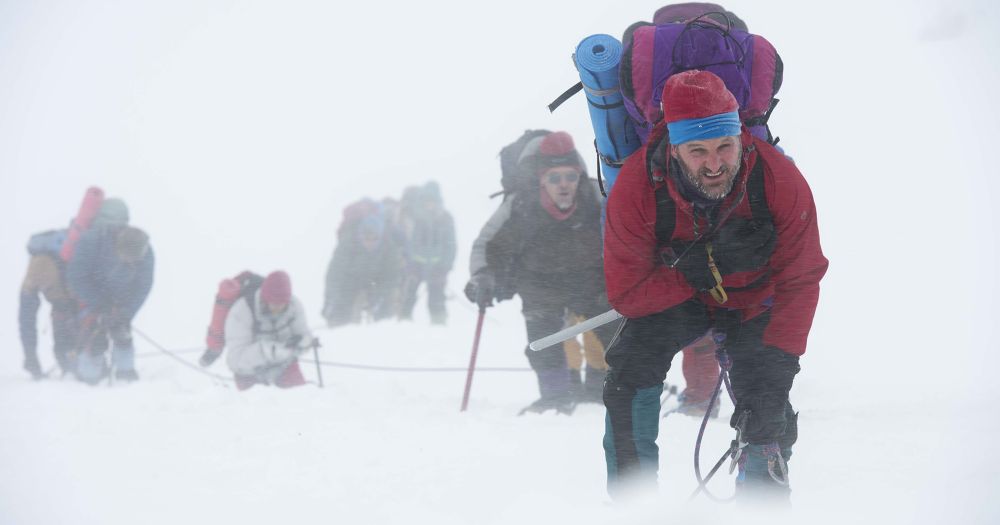
  16. Everestimage
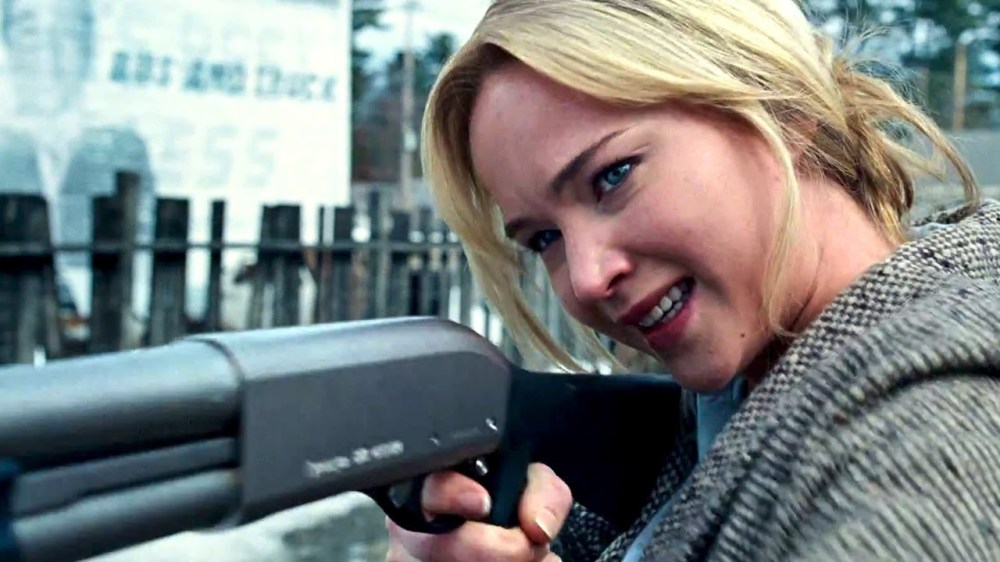
  17. Joyimage
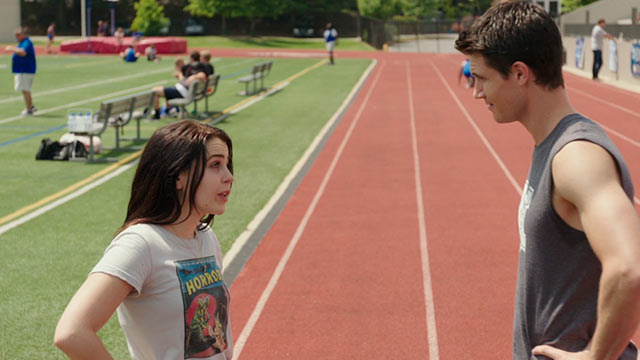
  18. The DUFFimage
  19. The Town That Dreaded Sundownimage
  20. Irrational Manimage

In the Heart of the Sea / Joy Cineworld Haymarket 26/12/15

Yesterday’s Christmas leftovers put between buttered toast and devoured, it was out for a day at the movies to catch the last releases of the year. A more different double you’ll struggle to find yet similarities abound if you look hard enough.

Both are films made with an eye on Awards Season that don’t seem to have that buzz or momentum now we’ve reached their release. They both, on paper, should have more mainstream appeal than the standard Oscar fodder they are competing against (In the Heart of the Sea is a big manly seafaring epic with Thor in the lead and Ron Howard back with a blockbuster budget and effects team. Joy sees box office darling Jennifer Lawrence in an appropriate vehicle surrounded by the cast and director of previous hits). They are both true stories given a fair bit of Hollywood spit and polish so the narrative outshines the facts. And if you dig even deeper both follow a hard working protagonist trying to make their fortune in a harsh capitalistic environment where misfortune and failure are expected and directed at them.

image

I can’t be the only one that really, really wanted In the Heart of the Sea to work. The scale and cost required for these water set historical actioners means studios only seem to forget how risky they are and only greenlight one every decade if we are lucky. An account of the true tale that inspired Moby Dick promises some large scale re-enactment of 19th century sea faring life. The kind we have not enjoyed since Peter Weir’s big budget Master and Commander film that merely broke even, so did not be come a planned franchise 10 years ago… Though I wish it had. That film had benefited from a made to measure lead in Russell Crowe and an eye for the dynamics and practicalities of being a crew on the open seas. Ron Howard has felt wasted on Da Vinci Codes and Grinches since the turn of the century and this appeared a tailor made opportunity for him to return to the quality ensemble pieces he made his name on, often with a focus on tribes and cultures within their work place (see Gung Ho, Backdraft and the underrated The Paper). His magic touch with such material is still lost as In the Heart of the Sea just doesn’t gel as an experience – often as there seems no flair or care in the storytelling.

The plot basically follows some whalers who kill the creatures for their oil yet come up against an orca who thwarts them at every turn. Some attempt to give the half dozen crew members we focus on some backstory is made but once we hit the water the character work vanishes, the peril becomes repetitive and some of the bigger horrors (the destruction of their vessel, cannibalism) lack depth and impact when they should be the most engaging elements of the film. In fact, whenever we hit dry land the film seems to return to a stronger earlier draft abandoned to get more shots of haggard eyes spotting sea spray, climbing rigging or repeating orders. It’s the kinda film that lingers on exhausted men, wasted to the bone by their endeavours, unable to move their lips to even speak… who a minute later are springing up to their feet, brandishing harpoons in another pointless attempt to kill the stalking whale.

I struggled to feel anything but poetic justice for the whalers’ plight. By the third act I would have much preferred to be actively following the whale’s quest for revenge rather than the sailors’ fate at his destructive fins. Possibly this was mostly inspired by extreme close ups from strange angles of the goliath’s eye, as whenever the camera stays with Moby Dick’s inspiration it ignites sympathy and awe as a modern viewer for the endangered wildlife. Anthony Dod Mantle’s framing is often captivating – the wide shot of the ship at sea have Turner-esque quality, while those tight shots expose the grotesqueries of nature but from a storytelling point of view their painterly nature took me out of the action too often.

image

Already a failure at the US box office, which might be put down to the lack of market for period naval thrillers,  but in all honesty In the Heart of the Sea is not a concept that is very likeable in subject matter or delivery even if you do like a good old anchor and sail epic. The blame for its losses could lie at Chris Hemsworth’s door. He makes a fine Thor and I enjoyed his lead performances in Rush and Blackhat (he often reminds me of a young Harrison Ford with his simple but direct charm which can be no bad thing, surely?) yet without double checking on Google I still struggle to tell he and his brother apart after a dozen movies now which really cannot be a good indicator that the public has embraced him either. Outside of Marvel, his choice of project seems to be solely old school, boy’s own adventures by respected directors on the slide. Admirable but if he wants to be able to open a movie on his name rather than as a comic book character, then he needs to build up audience demand and awareness that just is not there for him right now. Surely there is some role that plays to his strengths that doesn’t entirely rely on his current lack of draw to open it? Young Han Solo, perhaps? As it stands, Hemsworth just is not a bankable enough name to open a film about men in dirty tunics killing intelligent mammals, he needs a lead role in something that captures the zeitgeist fast otherwise he’ll be Christopher Reeve or Timothy Dalton rather than a Michael Keaton or a Sean Connery. Until then he should avoid projects with subject matter that is so risky, in waters so rarely tested.

Someone who has captured the movie ticket buying public’s hearts and minds is Jennifer Lawrence. She, in Joy, manages to do for the dormant ‘Woman’s Picture’ genre what a less proven talent like Hemsworth just cannot for a ‘Sea Epic’ – SELL IT. Joy is a film with weird pacing issues, lack of dramatic clarity in its resolution and, if we are being harsh, doesn’t really stretch Lawrence’s acting abilities all that much. What it does do is express our protagonist’s failures and achievements far more clearly and involvingly than the action film ever manages. Which is mental as a Miracle Mop is no less obvious a Macguffin than whale oil, a broken home in 90s America a less obviously harsh environment than the middle of the Pacific.  Yet where Howard and Hemsworth fudge their set pieces, David O Russell and Lawrence imbue the hunt for a mop’s creation and ownership with more defined structure and power than the bigger budgeted film. Whereas whale oil just has a cash value, the Miracle Mop’s conception and eventual victory both mirror and tie into a young woman’s rediscovery of her smothered potential.

image

Rediscovering self worth and bankruptcy should not be as pressing issues as killer mammals and starvation yet fuck it… I cared a lot more about Lawrence selling 50,000 mops on a home shopping network before she loses her house as the stakes were relatable, the sequence delivered with vim and invention and the lead performance carried the full weight of vulnerability and likability from previous on and off screen association. You want Joy to survive and thrive, you want Jennifer Lawrence to (eventually) win. You can’t put a price on a film that offers us that, however quirkily framed and jarringly rhythmic.

Films about women balancing relationships (with romance often a background concern) with personal success were all the rage in the 1940s and 50s. Bette Davis cranked out a Women’s Picture four times a year. When did they go out of fashion. Working Girl? I’m struggling to think of a good one since In Her Shoes and that felt like a blip. Yet this year we have had two cinematic highlights from this dead genre in Joy and even more so in Brooklyn. Joy in particular though should be shown to all teenage girls as a fable for not to accepting the limited role society wants to keep them in. It is a hymn to the tough realities of female empowerment, expressing the strength found in succeeding on your own terms. O Russell ably illustrates the battle to create your own freedom, whether financial or in terms of personal responsibility.

Joy finds captivating drama and humour from the sad reality that not just submitting to the safe, predetermined trap of family above all else will unfortunately involve opposition from the people you love. Rewriting the American Dream by acknowledging the failures and adversity on the way, making clear that those likely failures often mean most will quit when faced with the overwhelming odds against being a success. And reminding us that we should be the sole authors of our own dreams. Not matriarchs, patriarchs, soap operas, QVC or shop windows. It also features the first consistently decent dramatic performance from Robert De Niro since Casino / Ronin. And if that does not spear you and drag you into the multiplex then very little will.

Star Wars VII: The Force Awakens Empire Tower Park, Poole 19/12/15


We settle in – an extended family of ten, ages ranging from just 5 years old to mid sixties – at a packed Saturday afternoon screening. We booked our seats long ago. There’s a struggle over who’ll get the premium aisle seat of the row we’ve booked out and then who sits next the youngest and potentially least invested of us, potentially most distracting. My wife draws the short straw and the tiny Darth Vader fan starts off on her lap, moving to her Daddy, the toilet and finally a little scared and squeaky for the dark conclusion with her Mummy. When the droids are on my niece is quietly rapt, during other parts wriggly but surprisingly focussed and on exit to the lobby she seems uncheated by the few mere scraps of long dead Vader action held within. She ruins no one else’s trip to the cinema by giving up on the experience we were all looking forward to for nearly 30 years. A Star Wars sequel. The return of Han, Leia, R2D2, C3PO, Chewie, the Force, the Millennium Falcon and Luke Skywalker.

image

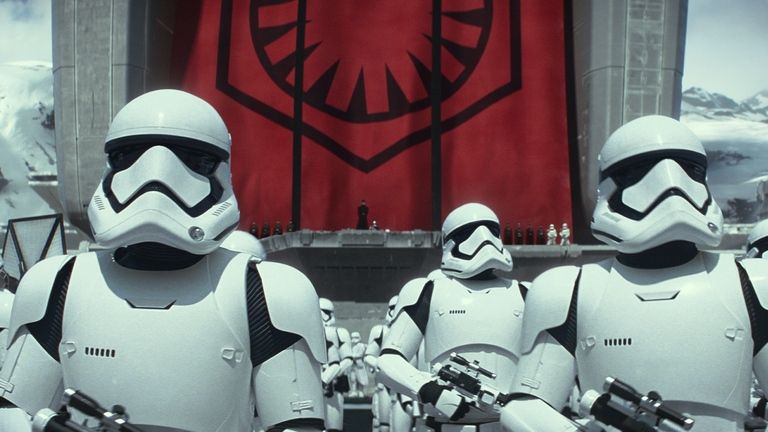
JJ Abram’s triumphant revival of modern cinema’s most beloved universe starts faithfully. I am surprised at how much I felt the lack of the the Fox fanfare (it’s as embedded in the SW experience as anything replicated here) but then the silence dominates as that setting defining title card reappears. John Williams pipes up, the latest screen climbing, yellow prologue starts its ascent. This time, however, the précis isn’t political gobbledygook but a declaration that our hero Luke Skywalker has long disappeared and everyone is still searching for him including the even longer defeated Empire’s replacement baddies – The First Order. The expected establishing shot of a mega (this time planet eclipsing) spaceship fills the screen. I’m not underwhelmed or overwhelmed. The goosebumps still are not there but happily there’s also no feeling of dread that George Lucas’s misguided prequel trilogy brought on over three opening weekends between 1999 and 2003.

Max von Sydow pops up as a desert hermit who has a map with Luke’s location. Like Samuel L Jackson and Liam Neeson he seems to be an Oscar nominated actor who is in a race for as many different genre franchise appearances as possible in his long career. Who is he in this narrative? What is his back story? How has he got this map is still a mystery. Such an icon finally making an appearance in the SW universe gets the attention. There has to be more to him than a lost property clerk for the resistance surely?

JJ is the current master of more questions than answers. He was instrumental in the creation of Lost, he got us to see and treat the original concoctions of Cloverfield and Super 8 as blockbusters based on obtuse, hyped up trailers. The Force Awakens is full of such unanswered posers… some that fans have picked up on, some they haven’t. How did C3PO get his red arm? Why don’t we see Poe Dameron’s escape from the wreckage in Jakku? Who are Rey’s parents and why was she abandoned? Is shiny Captain Phasma really disposed of down a trash compactor or will she return? What made Finn the stormtrooper abandon his brainwashing – heart, or a more ‘forceful’ influence?

image

Maybe we’ll get solutions or explanations in the sequel or expanded universe media of games, comics, novels and TV. Maybe we won’t… But like its source material, The Force Awakens plonks you into the narrative midstream and only explains what is pressing. Abrams is a more decisive and swifter storyteller than Lucas, his shorthand to move things along creates even more puzzles than the above wrinkles but it also obliterates the exposition that killed the prequels. We are back in a Star Wars where the plot is kinetic and rocket propelled. Luckily the cast bring their components in this efficient machine to life beautifully.

Our four new heroes are fine creations. Primarily Daisy Ridley’s Rey is an almost supernaturally capable woman on the verge of adulthood. She is introduced heroic but striving. Decent with a sense of wonder but in a world that is gritty and unsympathetic. There’s a nice sense of childish adventure: the pew pew noises she makes with a salvaged blast helmet on in some downtime; a homemade X Wing pilot doll among her meagre belongings. She is a less whiny and more proactive hero in waiting than Luke Skywalker was when we met him. There’s no Uncle Owen or Aunt Beru to coddle her or to rebel against. Rey’s survived by herself and in all the subsequent action sequences she is in the mix and exceeding our expectations. Those Abram’s ‘wait and see’ mysteries surround her. How does she know the workings of the Falcon quite as well as she does? If the force is so apparently strong in her why is she not thought of a Jedi? All this hints to an unspoken past somehow interlinked with the original trilogy’s tangled family tree as by the end of her journey she is a victor and a Jedi in training with neither an Obi Wan figure to direct her nor a Han or Leia have her back en route. Tantalising stuff and a star is born all in one.

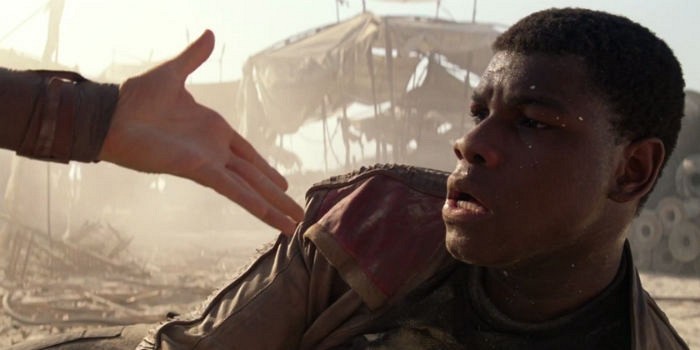
Yet she is not alone for this adventure. John Boyega’s Finn is a next generation stormtrooper turned good guy. The most fully rounded of the new class he hesitates at the opening village massacre and the film follows his escape from the regime to fully fledged member of resistance. By the end of the film he has kind of outlived his usefulness – he uses Poe to escape, hooks Rey up with the resistance (exactly how long have they been resisting various factions now?) and leads the charge into the new Death Star with his defector’s intel and desire to rescue Rey. In Episode VIII, he’ll be in most need of a fresh plotline or he risks being a mere romantic interest for newly minted Jedi Rey.

image

The most established of our reboot crew is Oscar Isaac’s Poe Dameron. A cool and cocky pilot ingrained in the resistance. He orbits the action and does so with a fair amount of swagger and aplomb. He symbolises another stark gearshift from Lucas’s last failures. Abram’s and SW veteran Lawrence Kasdan understand these characters need to be above all fun, not dour and serviceable. We learn little about him but he’s a hoot whenever he’s on screen.

In fact the dialogue is often markedly breezy and fun banter. I read a 1999 interview with Lucas where he excused The Phantom Menace’s turgid script by saying his mythical world couldn’t co-exist with the flip ironic modern action movie joking that audiences now prefer. The Force Awakens proves him wrong. The snappy interplay works just fine – Poe’s opening sass to our new villain being a standout, and a running joke (literally) about hand grabbing during dangerous set pieces is a constantly rewarding gambit. Only a few moments with Finn break you out of the movie’s spell. His delivery and vernacular just don’t seem right for a child raised as a brainwashed killing machine until 24 hours before. A minor wobble.

But the real stand out among the new “goodies” is young droid BB8. He slots into the mythology and Star Wars dynamic perfectly and is invested with as much personality and likability as R2 or good ole Gold Butt. Nothing gives you a sense of scale in this reality as a little vulnerable droid fulfilling his mission loyally for creatures whose motivations, emotions and values he probably doesn’t share. In a movie where so much is gotten right, the design, use and delivery of BB8 ranks highest. He brings out the kid in all audience members, faithful and casual.

image

The plot that introduces and binds these new elements together will be very familiar. An orphan on a desert planet comes in contact with a droid with valuable information embedded inside it. On delivering BB8 to this resistance Rey hooks up with a gang of new friends and old heroes, leading to a full on assault to a planet-destroying super weapon. I’ve read many grumbles about how faithful the plotting is to A New Hope (itself already retrodden by my personal favourite entry Return of the Jedi) but that familiar line represents the tightrope the new filmmakers had to carefully walk.

A completely revolutionary adventure would not have felt like Star Wars, while the strong echoes from the past add to the sense of a core mythology and give all the new characters a bit of safe time to make their mark. The resurrection of the old familiar tale risks alienating the fan base the least and provides a strong framework for the new crew to indoctrinate a new generation into the universe we love. When it comes to SW fans you are dammed if you do and dammed if you don’t. The remix of the old standard plot feels like the correct step forward in sating grumblers who will always find fault. All they can really say is we were given exactly what we we wanted. Old school Star Wars again.

In fact the movie visually spells out its intent in the stark ruins of derelict Stardestroyers and AT-AT of Jakku. Rey is introduced mining the past, recycling the wreckage of a 30 year old battle for begrudging returns. It is an epic piece of scene-setting evoking Lucas’s original touchstone of David Lean. But as a neat piece of new world building its message is very clear. The Star Wars trilogy we embraced in our youth has left a war torn universe of exploited orphans and devastated landscapes. Then within an hour we have our first thrilling set piece: the Millennium Falcon itself being chased through the derelicts by a new crew we already care about. The villains themselves are youths, lost boys and girls, aping the Galactic Empire that no doubt killed their parents. A Force Awakens is a fatherless generation mimicking the glory of thirty years ago. Message received: Lucas may have conceived this playset but his spiritual children have their own ideas over what to do with the toys.

image

Which is not to say the film isn’t respectful to what we loved for all these years. Han and Chewie are reintroduced with a fun (again!) and silly set piece of chaotic tentacles and smuggler shenanigans. There’s a pure and incomparable joy in buying a ticket for Harrison Ford in a film you actually want to watch again. He revels in the old scoundrel’s boots.

And is given a fitting send off. His own son stabs him in the heart, to fall into the synthetic abyss of another super weapon. Emotional, and against his better instincts, as always in an attempt to do the right thing (people ignore that Han always chose the quest rather than Leia and Luke, who through the force, were destined for it) he walks to his death in the slim chance of saving his son. That soft hand on the face of his estranged Kylo Ren as he is slain by him rather than a quip or fighting back. A gracenote proving that for all his cool bluster, Han was always quietly the character who needed the relationships the series threw up the most. Ford once pushed for the space pirate to take an early bath in Return of the Jedi claiming “He’s got no momma, he’s got no papa and he’s got no story” yet when we leave him it couldn’t be further from the truth and that’s what makes his demise so powerful, not our long term investment in Solo cool.

Han Solo is the boy who grew up in space, not on a planet surface with a family, and he embraced his partnership with Chewie, his romance with Leia and friendship with Luke more proactively than any of his contemporaries, albeit hidden in braggadocio. Han has already had adventure and found a family throughout the films. His attempt to hold that family together at all costs is his undoing here and his death at the hand of his own child proves the most affecting of any death in what is an always kill-happy series.

image

Should the coolest character in the galaxy have gone out in a blaze of blaster fire? Or be mourned more? No – this death felt in the moment and right. He ain’t no Jedi, no mumbo jumbo is bringing him back. Ford probably begrudgingly did one more IF it was just one and the adventure moves on without him. His legacy… The Falcon and (always excellent value ) Chewbacca passed onto Rey. We have a big bold reminder that the nerfherder-ish rogues are as important to this franchise as the Jedis. And Adam Driver’s adolescent Sith is set up as a conflicted but genuinely dangerous central villain. He kills his father, and finally we know this disciple of grandad Darth Vader has passed the point of no return rather than hesitating on it. He may not have full control of the force yet but he’ll be an established threat when we buy a ticket to VIII. Redemption appears unlikely.

So fun, efficient, epic and faithful – yet it is not a perfect film. A mid section on Takodana to meet Maz Kanat and learn their destinies manages to feel truncated yet overlong, misdirected and superfluous. The final battle to destroy the new Death Star is also a bit wobbly. The space dogfight is distracting from the drama and hand to hand combat on the surface; the final laser explosion feels too easily won when we now care about the small scale but high stake lightsaber battle so much more. Niggles for sure, but in a year when Mad Max and The Martian were near flawless popcorn confections of similar size and breadth, you can’t give a film a free pass merely because it’s a great Star Wars movie again… And at last.

JJ Abrams does career best work and his standing in Hollywood as the voodoo witch doctor for terminal franchise reboots and redesigns is now unparalleled. Yet, as a fan of Super 8, can we not give him a few more original drawing boards to start his next intricate blueprint, rather than another redrafting exercise? He leaves the franchise in rude health. Even managing a neat final scene set-up that means we can start Episode VIII with Rey as fully trained Jedi, ready to kick First Order ass and take names, rather than have to sit through training again.

image

If Star Wars VII: The Force Awakens resembles any film it is closest in spirit to Goldeneye. The film that realigned Bond for a new generation and set of creatives, while satisfying and exceeding the expectations of a loyal but ageing fan base. The mythology is moved forward, key new essential pieces are in place. So it isn’t as brilliant a film as it could be but it wears its small risks and needed compromises on its sleeves with no need to apologise for them. Well done to everyone involved, the force is strong in you all.

Return To Oz 1985 (or how a little seen flop sequel managed to scar a generation) By Bobby Carroll

image

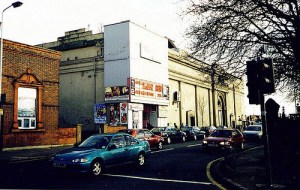
I have always held it as a point of pride that my childhood local cinema was often voted the worst in the UK. The Lido in West Ealing looked like someone had dropped a sea container, or even a dump hoarding, on top of the entrance to a snooker hall. The upper floor was corrugated gunmetal grey with rusty tears where the pigeons lived. The sign outside was spattered in a brown watermark for as long as I can remember. While the rack that held plastic letters to spell out the showing attractions titles looked held up by one screw and hope. They rarely had enough of the right letters or bothered with a title longer than four words, and you’d have to guess the age rating of the film if it was not a 15. Downstairs in the outside lobby, which I knew really well as the dusty stairway up to the box office and popcorn and the two fag smoky screens was forbidden unless the last film had already exited, was an old poster explaining classifications like AA and X, restrictions done away with before I was born. Maybe that was why we mistakenly went to see Return to Oz on a family bank holiday movie trip. Maybe my mother never knew the inappropriate X horror she was about to unleash on my seven year old sister and six year old self.
image
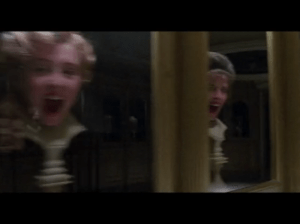
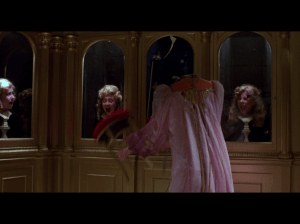
Three weeks later we were still having nightmares, waking shivering, wanting to join our parents in their room at night. “What the fuck did you take them to see?” I remember my Dad cursing as their sleep was interrupted another night running by our tear-filled faces wanting protection from the terrors. I have no idea which part affected my sister but for me it was the evil queen’s corridor of screaming heads in glass cabinets. Not an image from the latest John Carpenter or David Cronenberg shocker but a U rated indirect sequel to the much beloved 1939 Judy Garland classic – The Wizard of Oz.
image
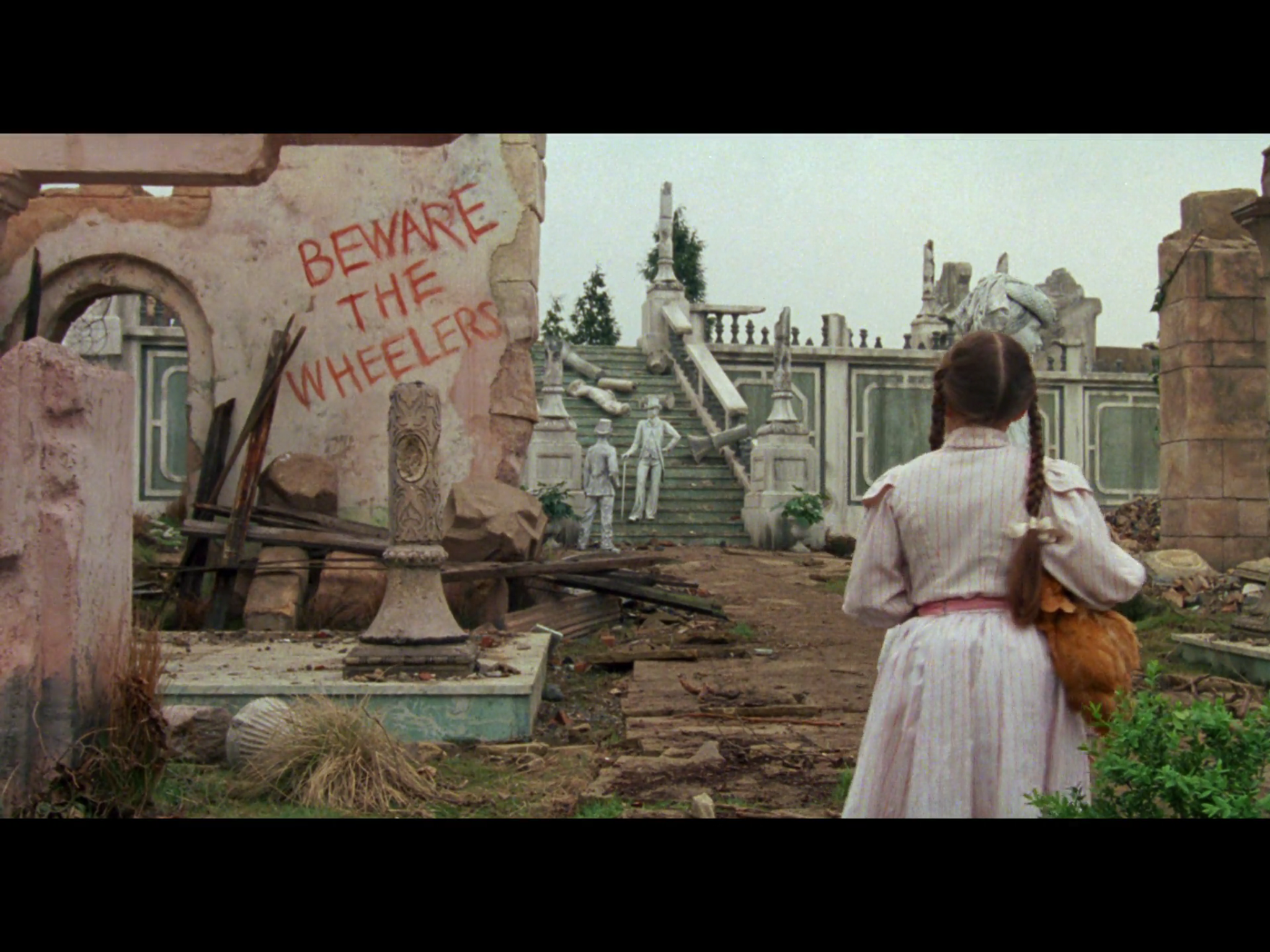
And search any retrospective review or comments board of the film online and it is by people of my particular vintage reliving just what an affecting, traumatic experience this largely forgotten school holiday cash-in was. Whether it was the Nome King, the Wheelers, the electro-lobotomy of Dorothy, the drowning of a little mad girl in a storm, the deadly desert where living things turn to crumbling sand upon touching or those screaming heads – most children of the late seventies who unwittingly saw this at a summer camp, VHS rental or B-run fleapit have their own lasting nightmare memory of this film.

image
Watching the film again it remains a bleak and often still surprisingly dark experience. There’s no occasional spike of nastiness either. Return to Oz is like a stick of rock in that it is pretty much, in every aspect, troubling for a kids film all the way through. A very adult force pumps through every vein and artery of it. There will be absolutely no wonder why it flopped as I discuss it further.

image
Plot: Dorothy has been so injured by her first trip to Oz that she cannot sleep and her Aunt Em fears for her sanity. The hurricane has left the farm in ruins, her uncle has given up on life, Em cannot really afford the experimental shock treatment she feels might bring her ward back to reality and as she drives the child off to the clinic a dirty old Toto wails as he is left behind for this adventure. That’s your first five minutes and I haven’t even discussed Dorothy’s friend, the chicken Bellina, who is not laying and due for the stew. Oh, and there’s no songs. Not even a jitterbug.

image
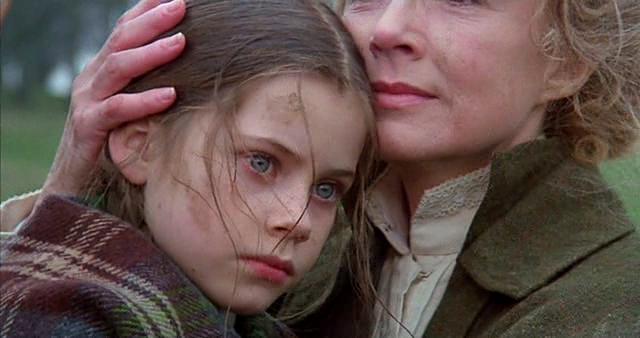
Fairuza Balk makes for a grim and determined Dorothy, lacking the charm and innocence of Judy Garland’s iconic turn. She is a more serious, tenacious child approaching Kansas and Oz like disappointing prisons to be muddled through. There’s no wonder in her performance yet it is a good one – rarely hitting a false note and often gravely apt for what she is facing. Miles from her beloved and famous predecessor but strong and involving in her own way. It helps that she actually is a 9 year old child rather than the 17 year old Garland’s rather tightrope walking casting as a young innocent. Judy’s boobs may have been strapped back to obscure her maturity but you are essentially watching a sexy young woman play naive in 1939. The new kid is a more realistic and thankfully de-kink-ed alternative in this respect.

image
Balk’s Dorothy faces in both lands the devious duo of Nicol Williamson (electro quack and rock tyrant The Nome King) and Jean Marsh (head nurse and headcollecting Queen Mumbi) who menace and sizzle in their small bitesized chunks of screen time throughout. It is telling when Piper Laurie is easily the most likeable, humane and sympathetic character… We are talking about casting Carrie’s mom and Twin Peak’s devilish Catherine Martell as Auntie Em for fuck’s sake. Alarm bells should have rung right there.

image
Once we get to Oz (this time through the flooded back woods of the institution rather than somewhere over the rainbow) things do not improve in terms of fun and optimism as you may have expected. The yellow brick road has been desecrated, the scarecrow is kidnapped, The Emerald City deserted, in ruins and littered with the cast to stone corpses of The Tin Man, the Lion and the citizens (young maidens sans têtes). Dorothy tries to work out what has happened, picking up friends and enemies on the way.
image
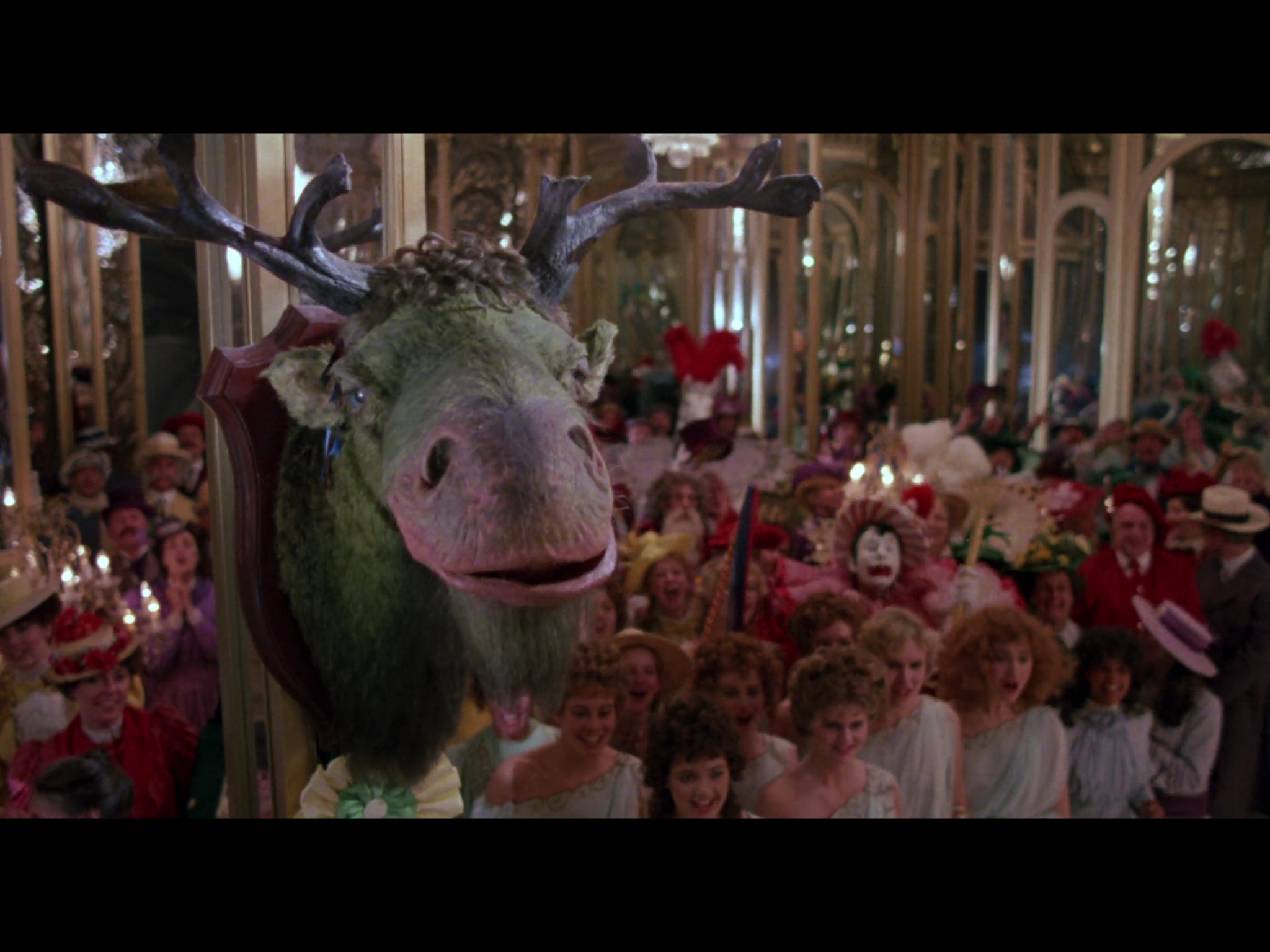
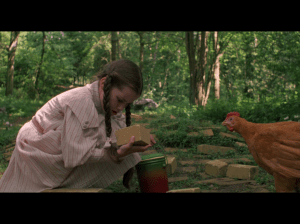
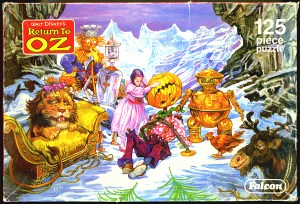
And here we come to Return to Oz’s second big issue away from the constant fear and despair; Dorothy is joined like last time by a ragtag group of freaks (Tik-Tok, Jack … No, not that one…. Pumpkinhead, The Gump and her chicken,  now voiced by a pessimistic old lady) rather than Toto, the Cowardly Lion, Scarecrow and Tin Man you might not only expect but who had featured heavily on the promotional materials, merchandise, even free stickers albums given out at petrol stations and with cereals in the build up to the release. We were primed to be reunited with the old Yellow Brick Road wrecking crew only to discover two have been killed off like the Hicks and Newt of light entertainment (I’ll cover Alien3 at some point). As for The Scarecrow when he does show, he is not only snatched from us cruelly again almost instantaneously by The Nome King but comes at a point in the production where budgetary concerns meant that a stop motion face effect to bring him to life was axed. The cheap fix bodged in instead is that he appears only in quick shots with different heads made with set expressions to make up for his cheap, frozen features. Short shrift for some of cinema’s most recognisable creatures even if things pan out for the best by the closing scenes.
image
So the replacements feel a little bit of a con if you are a friend of Dorothy traditionalist and you certainly might have thought twice about buying a ticket if you knew the poster was fibbing about the prominence of those with heart, courage and a brain. Whether it was Warner Brothers having certain design rights to the original trio over Disney who took a financial punt on this sequel or even a zeal to bring to life more characters from Frank L Baum’s Oz books that meant we lost old favourites for new, they do eventually add to the film’s quality if not it’s must see-ness. Given Dorothy’s graphically violent description of the creation of The Tin Man early on to her psychiatrist, one which involves the word hack repeatedly, maybe it was for the best that this particular production relegated the most beloved and recognisable Ozians to the sidelines. Such a decision however cannot have helped its chances at the box office. A bleak sequel to family favourite with no one you already like in it all that much.

image
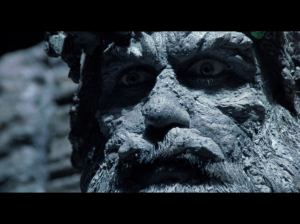
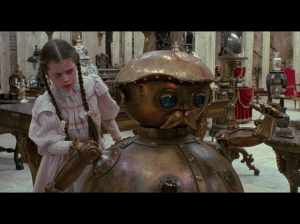
The pacing also really only has time to introduce the new crew before suddenly they are all saying goodbye to Dorothy as they fall foul of The Nome King’s plan. The inherent depression that washes over every creative choice rears its ugly head again as I describe them in the broad strokes we learn about them in the film. I’m not over emphasising it on purpose, really. Jack Pumpkinhead is an orphaned scarecrow (small s) who is so lonely and so young he wants Dorothy to be his mother. The Gump is a reanimated trophy head whose body is a loosely strung together hulk of dusty soft furnishing… Essentially an easy going zombie couch. Tik-Tok “the one man army of Oz” gets the most screen time, aside from the ‘woe is me’ chicken, and is the strongest creation. Loyal and sturdy, good in a scrap and likeable in both design and outlook. His clockwork mechanism means he often winds down his faculties or motion at key set piece sensitive moments (this works great as a tension creating plot device – although his instruction do anachronistically say “Guaranteed to work perfectly for a thousand years” when we first meet him run down). Yet even he sacrifices himself nobly at the end and comments on the vacuum of life inherent in his robot existence. All in, ennui aside, they are a well realised and likable set of replacements. Just not the familiar three that would make this very late sequel more of an event release

image.
So in Summer 1985 we got a grim sequel to a long past classic, which terrified children and contained only passing reference to the highlights of its predecessor. It made a mere $11 million off a $28 million budget. The contemporary reviews universally criticised the tone and mood. “Children are sure to be startled by the film’s bleakness,” said The New York Times’s Janet Maslin. “Is faithful to the original Oz books but turns out not to be a virtue on film, where the eerie has a tendency to remain eerie no matter how often we’re told it’s not.” Jay Scott, Globe and Mail. “It’s bleak, creepy, and occasionally terrifying,” Dave Kehr, Chicago Reader.
So what went wrong? Why was it quite so dark? And how did it get released in this desolate child unfriendly state? Let’s work at length and in detail through those question backwards to build to a pleasant surprise…

image
Why did Disney put this big budget family film out in such an unaltered, inappropriate state? It was the age of test screenings and studio tinkering, notes and reshoots. Surely this flop would be first in line for some executive attention? Well, Return to Oz was engineered under two clouds whose silver linings collectively probably kept it intact. These ‘clouds’ need to be explored in some depth before I can move on.

image
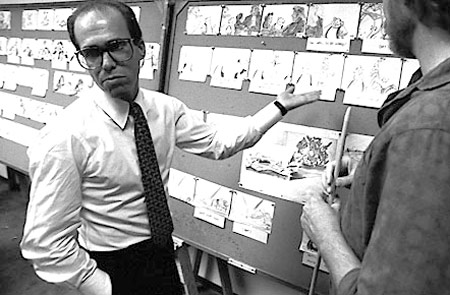
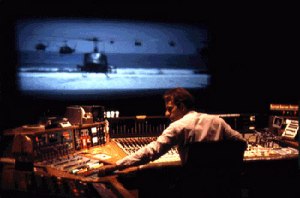
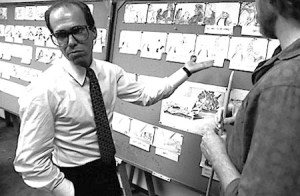
First cloud: this is the work of a first time director… but before we put all the blame at his door, this particular first time director happened to be multiple Academy Award winning sound production and editing supremo Walter Murch. This is a USC film department alumni from the same graduating year as George Lucas and John Milius. Whose career had seen him work in key roles on The Godfathers 1972-1990, American Graffiti 1973 and The Conversation 1974. The now common film credit of Sound Designer was created specifically for his revolutionary work on Apocalypse Now 1979. He was New Hollywood royalty; exactly the kind of talent who knew what he wanted, how to achieve it and hopefully should have known how the game was played. When the then Walt Disney’s production chief Tim Wilhite asked him in the early eighties what he wanted to develop as his directorial debut a casual mention of the Oz books set things in motion.
image
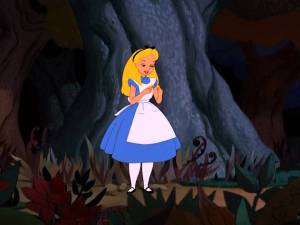
Disney had some rights, nearly everything else except the ruby slippers (as they were silver in the book and a Warner Brothers embellishment) were due in the public domain due to the series’ age. A production would not only get Disney into the Walter Murch business but a film made by 1985 would give them the image design copyright for a whole host of classic characters much as they had already with The Grimms, Lewis Carroll and countless other fairy tale authors.
image
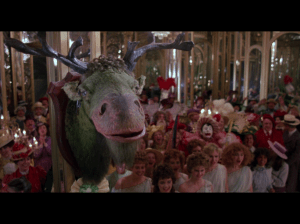
Let me spell out what a motivating factor this was. If Disney make a version of a classic literary work then those characters’ Mouse House reimagined looks become, not just the definite version in the moviegoers’ consciousness, but money generators. If another studio or designer want to do anything with a public domain character that’s been Disneyfied they now have to pay Disney licensing rights if they want the character to look like people expect them to. KER-CHING! A method that is paying off currently with live action adaptations of Disney animated classics like Alice in Wonderland 2010 ($1 billion) and Cinderella 2015 ($542 million). Disney is not re-adapting the original source material for these, it is merely recreating its own iconic and fully patented product for another high roller spin on the casino floor. No one else can make a film, or a even lunchbox, where Snow White looks like the way we all expect Snow White to look… the Disney way…without paying the Disney money. This will explain not only why different designs were used for The Tin Man, Lion and Scarecrow for Return but why quite so many other, faithful to the books but unseen in the plot, Oz characters pop up in the final scenes (Li-Mon-Eag, The Shaggy Man, The Patchwork Girl, Prof. H.M. Wogglebug, T.E., Santa Claus, Tommy Kwikstep, Button Bright, and The Musicker all can be glimpsed). Here Disney were throwing their towel on the design copyright sun loungers of the entire Baum menagerie with future licensing in mind. If only Return to Oz had proven a hit… Still it made for an epic parade scene akin to the ceremonial finales of Star Wars 1977.
image
Murch set to work with relative creative freedom. Already from my plot description, criticisms and the casting you can tell his aims were not recreate the relatively safe, musical, primary technicolor of 1939 Oz but to go his own way. He used the seminal early photography book Wisconsin Death Trip as a touchstone. His achievement of this aim is evident in the final product.

image
Despite the end result syncing with Murch’s intentions, there’s a fair bit of indication this became a troubled production. Some reshuffles in the production team were obvious, for example Star Wars producer and Murch’s ally Gary Kurtz was moved away from the shoot onto back end work, seemingly instigated more by studio politics than a chaotic shoot. A head of production at the time’s main public gripe was “We had a nine year old who was only allowed to work three-and-a-half hours a day in 98% of the scenes and complicated animatronics that were difficult to make work.” The Scarecrow’s non animated face suggests budget ran out but not that it was scaled back.

image
The production was shutdown both times when it overran its original $20 million budget twice but this was very common back then. Only eight years previous Star Wars was made for $11 million and since then not only inflation but production crews valuing their services and time more meant nearly all tech heavy budgets outgrew their initial quote finalised often a year earlier. $28 million was the higher end of the right bottom line for such an elaborate tent pole summer movie but not a runaway disaster. Much was filmed in the UK (a planned more globe trotting shoot akin again to Star Wars’ production was the cause of the first shutdown and overrun) adding to the overall drabness but giving Murch a healthier distance between the studio and access to the unparalleled moviemaking craftsmanship that existed just outside London in this period.

image
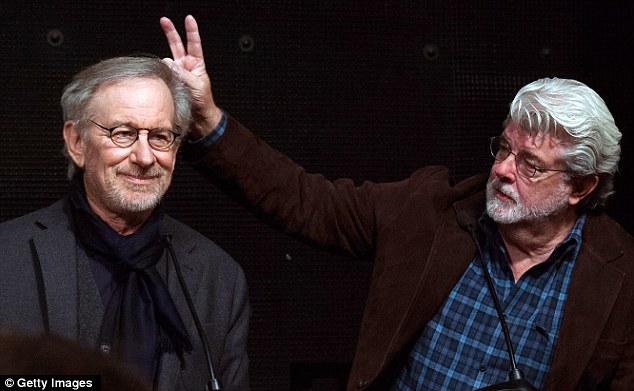
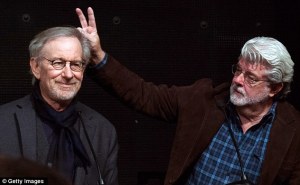
There were allegations Murch was fired during one of the shutdowns but this seemed once again be down to political shifts back in Hollywood, rather than a concern about the dailies being sent back. Gary Kurtz’s replacement producer saw Murch forget to say ‘Cut’ at the end of a scene and demanded he be fired, Murch did not defend himself. Just as he was about to be sent home none other than George Lucas swooped in to explain the budgetary illogic in replacing him mid-production and gave his friend some guidance as to how to handle the shoot in a way that would keep the changing corporate regime at Disney happy (essentially break things down more and send the less fantastical footage back in drips and drabs rather than in bulk where it was being judged without reference to the spectacular sequences to come.) So a freshman director on a massive scale production had a tough, precarious job but his experience, reputation and most importantly, friends kept his vision and his creative freedom relatively intact. At the end of the day everybody wanted to be in the George Lucas and Francis Ford Coppola game at this point, so making harsh calls on a production that had so many of their colleagues working on it may nix any chance of working with those top boys again. Spielberg, Coppola and Philip Kaufman began popping into the set regularly to keep Murch’s spirits up and let Disney know just who had the director’s back. Executive screenings without the many special effects finished were done at Lucas’ Skywalker ranch with George buying everyone lunch. The suits responded to the unfinished product with a “noncommittal niceness” according to Murch’s wife. Disney was in no position to make enemies of Murch’s powerful friends. Which brings us to cloud with a silver lining number two.
image
Cloud two is that aforementioned “changing corporate regime at Disney.” The heads who greenlit Return to Oz were all replaced mid shoot. Ironic for a film were the villainess is swapping young girls’ bonces and running around decapitated in a key sequence. Michael Eisner was hired in as CEO of Disney, a move to keep the Mouse House safer from the hostile takeovers that had laid siege to the brand since Walt had died 1966. Eisner brought with him a colleague from Paramount, Jeffery Katzenberg to be Studio Chairman and together they brought about a renaissance to the Disney animated brand and finally moved it also way up the live action studio market rankings. As to what Katzenberg inherited that first year was a live action department that was consistently the lowest performing among all of Hollywood, executives used to taking half days when Bob Hope’s masseuse was on site and an animation department the had lost most of its seasoned talent and employed all but a few old survivors and raw, untested talents like John Lasseter and Tim Burton hidden away in cubbyholes.
image
Katzenberg’s two big priorities would be to turnaround the only finished animated feature they had in the can – the equally dark and difficult to market The Black Cauldron 1985 – and start making live action films that teenagers and adults might actually buy a ticket for rather than That Darn Cat 1965 sequels. So Return to Oz dodged a bullet as it did not really overlap with either of these points on the action plan. It may have not have been in keeping with the direction Katzenberg wanted to push Disney being a mere family film but it also did not merit that close scrutiny as any failures on its part could be blamed on the old, wasteful regime. No need to take the scissors to it when The Black Cauldron had cost nearly twice as much and had no inbuilt audience. At least with Oz, even it was a stinker, you could stick the Scarecrow, Tin Man, Lion, Toto and Dorothy on the poster and get away with it until word of mouth spread.
image
And that’s exactly what they did. Katzenberg’s only comment on its muted summer release (12000 screens – so still wide but not a blanket blockbuster launch) was a diplomatic “The pitfall is expectations.” New Disney were not bothered about Return to Oz hitting, they wanted the new projects they could take sole credit for to be the start of their legacy and to hopefully build on the good relationships with those on their inherited director’s side. By giving Murch’s dark finished product an easy pass might reward them long term by at least not burning bridges with more proven talent early on. “Let Return to Oz live on its own merits and fingers crossed we might be working with Lucas, Coppola or even Spielberg… Hey why not even Murch again… next year when we need talent to boost that live action roster” would be the assumed logic.

image
Question number 2: Why was it quite so dark? Despite the U rating and predecessor’s reputation, Return to Oz is not a film suitable for young children. Have I made that obvious yet? The sustained desolate worlds and attitudes Return to Oz presents and frequent instances of sheer terror make it uncomfortable viewing even for more mature youths and adults if you are sensitively engaged with what is taking place in each scene. It’s not Taxi Driver 1976 nihilistic or Hellraiser 1987 extreme but for a family film it is unparalleled. Yet it is also on trend with many family films of this period. The aforementioned The Black Cauldron, Flight of the Navigator 1986, The Watcher in the Woods 1979, Something Wicked This Way Comes 1984 are all Disney productions of the period known for their bleak and horror tinged content. Return to Oz is either the peak or nadir of this trend depending on your tastes. The key difference is back then family films were for the family not exclusively just for children so some adult content, themes and even gore was par for the course and often required to mark it up over vanilla toy selling cartoons. When you consider the burnt corpses in Star Wars, the melting faces in Raiders of the Lost Ark 1981, ET 1982’s death, the convincing spectres in Ghostbusters 1984 or even The Goonies 1986 children in constant peril antics; it becomes clear that moments of disturbing nastiness were a lot more acceptable in movies made and marketed to all ages that decade. Even Disney’s most toothless animations have dear prince’s mothers being shot and poison apples, The Wizard of Oz itself has melting witches, flying monkeys and fake Oz’s terrifying boom voice. Kids films are more sanitised these days but Murch’s Return to Oz feels like a mere stumble forward rather than a massive leap in tone and taste when compared to his contemporaries. The tone actually does not cross any lines given its era, merely makes the grave error of staying permanently on that line unwaveringly for its entire running time.

image
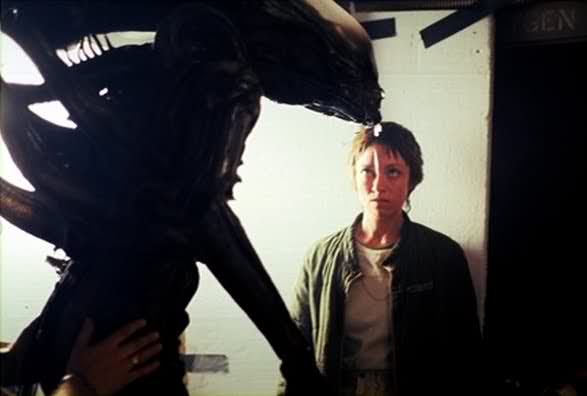
In fact I recently read the British Board Of Film Classification’s detailed report on space-set, body horror, classic Alien 1979 and there was notable debate as to whether it should be an X or a PG. The adventure and fantasy aspect argued for it to be accessible to families, the gore and horror not seen as going too far from what was acceptable and only HR Giger’s psychosexual design of the Alien and its life cycle was the nail in its X coffin. The harsh censors only real problem with what would still be a hard 18 or R today was the visual metaphors of Alien might make a pubescent teenage girl feel uncomfortable with her own body changes. This digression illustrates what a strange era Return to Oz marked the end of, one where a terror heavy adult blockbuster was seriously considered by the censorship board for family consumption.

image
Return to Oz is so inappropriately black because an adult creative took on inherently strange source material, focussed on the darker aspects and had freedom of budget and technical breakthroughs to creative an absorbingly, realistic vision of a fantasy world post coup / apocalypse. The studio brakes were only applied when budgets overran or there was a lack of faith in Murch’s on set presence. No one really ever drew him back on the content or tone before, nor cared all that much after. Probably as in short chunks, without effects and with George Lucas looming over every test screening, no one saw just how unpalatable for children it was. It would never get made 10 years before or 10 years later than 1985. Return to Oz is an orphan of its time.
image
Let’s be clear Return to Oz did not flop solely because of its disturbing content anyway. The finished film opened in the US with as many screens as it rivals, a marketing campaign that focussed on the effects and recognised brand of Oz and it finished a poor seventh on that weekend. If there was any demand for another adventure set in The Emerald City then they certainly did not line up around the block on opening weekend when it was at long last supplied. Like I started this essay saying, my family caught Return to Oz in the grubby B cinema and had no inkling about its negatives. Bad reviews may have hampered that opening score slightly but when it comes to family films in the 80s very few relied on good press to open well. Word of mouth and strong press kept films in cinemas after a good weekend. Oz opened low with no back up once we knew what a shift from the original it was. The film all but disappeared after that.
image
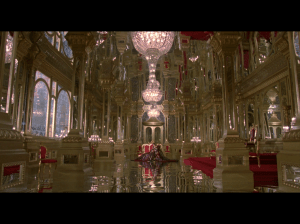
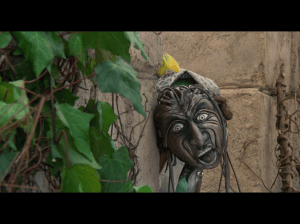
Finally we come to… So what went wrong? Very little actually, once you take its box office failure out of the equation. Murch crafted an excellent fantasy film albeit one whose pedigree, child protagonist and marketing campaign misplaced it as a mere kid’s film. Watching Return to Oz through adult eyes it is clearly a fine piece of cinema. The blurring of Kanas’s depressing reality and Oz’s dangerous fairytale nightmare are beautifully realised. The mirrored palace full of stolen heads may be the stuff of six year old scares but also of a cinematic visualist’s wildest dreams. The sets have a consistent logic and verisimilitude, immaculately conceived. The physical performances of Mumbi, The Wheelers and especially Pons Maar, who lends his angular frame and shrieking voice to a lot of the non-human characters, are committed and affecting. The Gump and Jack Pumpkinhead are revolutionary effects. The film is intense and inventive.
image

Pace picks up when Dorothy and the mineral based The Nome King play their final battle of wills against each other. It is a cerebral set piece as the villain shifts subtly into becoming more human with each shot as those who remember Oz are lost to his ruse. After all the thrills, horror and eye catching design we are caught up in a closing game that is layered and perilous as any adventure flick’s big action finale.
image
Nothing is actually wrong with Return to Oz except it was made with no market in mind. Away from that “pitfall of expectations” it holds up as a great night in for adults who enjoy a well put together fantasy and younger viewers, forewarned as to what they are letting themselves in for, it will prove a revelatory dip into genre cinema. The only real shame away from the film’s maligned reputation, limiting its chances of being reevaluated as a classic, is that Walter Murch just went back to being a lauded editor again. His work, though invaluable to Ghost 1990, The English Patient 1996, The Talented Mr Ripley 1999 and Tomorrowland 2015, has stopped us from seeing what might happen should he take the reigns of the whole production of something epic again, rather than just the cutting and mixing. Now box office take no longer matters, Return to Oz feels like the sole masterpiece of an overlooked talent.

image