Black Sabbath (1963)
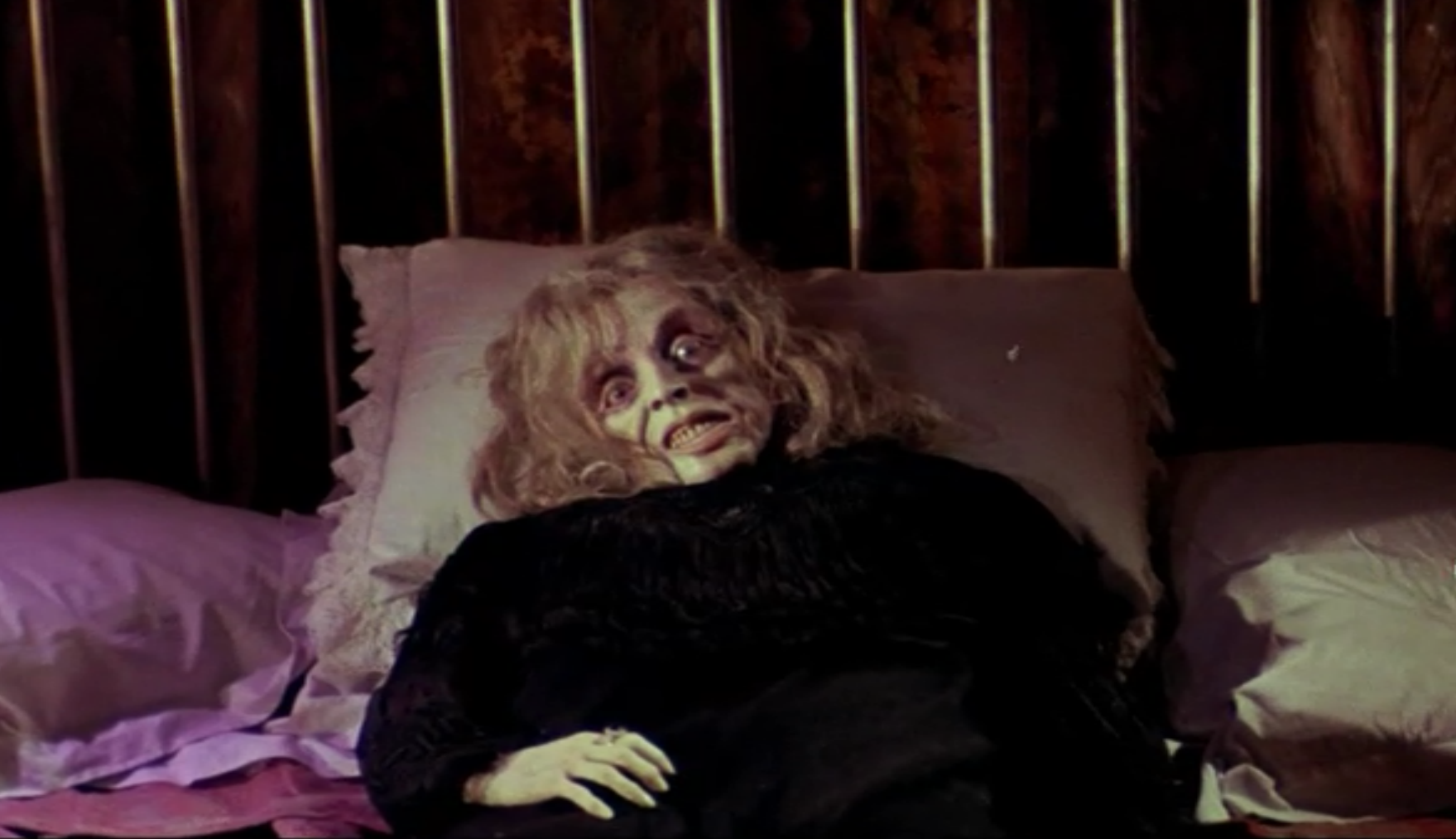
Mario Bava directs Boris Karloff, Michèle Mercier and Lidia Alfonsi in this mini trilogy of spooky tales, framed in a colourful comic book style.

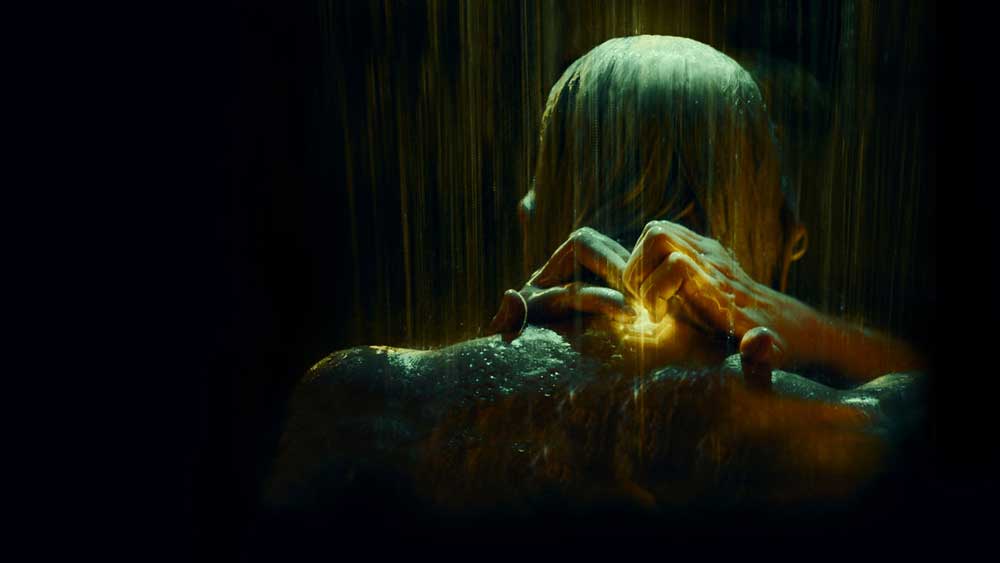
Watched as part of the Filmhouse’s late Uncanny Valley strand, this is a horror that isn’t particularly scary, yet feels like a cornerstone for the genre. The anthology format is a veteran of horror from Dead of Night to Holidays. This one is the nexus point. Our first story in which an unbelievably sexy lady is terrorised by a voice on the telephone feels like the progenitor for every slasher, specifically the giallo. The future of horror birthed up in 20 minutes. It really should be placed last in the running (different countries got different chapter orders). The paranoia and threat and sexual vulnerability are palpable. The first 10 edits are essentially a coy striptease show (and what a show the voluptuous Michèle Mercier puts on – she’d make the wolf’s eyes pop out and tongue roll two feet long), the rest a whodunit with only three characters. Tarantino certainly stole his trademark patient one-set set piece from this. Bava gifted QT his ‘moving the domino pieces into place, then chatting so you forget they are about to tumble in glorious inevitably’ mode with this long, steady one scene marvel. The knife moves under the pillow, the vengeful brute introduced into the locked room, the fatal air of jealousy established about desiring the unobtainable Mary. Then watch them all cascade in quick, kinetic finale. It is a fantastic slice of cinema, my favourite in a long while. Natalie preferred the other two tales. Period gothic horrors in the Hammer style. Curses, monsters, zombies, untrustworthy families, contacting the spirit world. Two little stories – every sub genre but body horror covered. Even self aware – the coda is a joyful piece of meta where Boris Karloff and Bava himself break character. We pan back from a shoddy effect, a camp piece of narration to reveal the crew stopping work and the old horror star cackling at the prank. It is a scream. Just, like I said at the start, not very scary.

7

The Howling (1981)

Joe Dante directs Dee Wallace, Patrick Macnee and Robert Picardo in this tongue in cheek werewolf horror that was very popular back in the day.

Utter tosh. Forgets it is a werewolf movie for huge swathes of its languorous running time. When they do finally show up they prove ineffective.

3

My Top 10 Werewolf Movies

1. An American Werewolf in London (1981)

2. Wolf (1994)

3. The Beast Must Die (1974)

4. Ginger Snaps (2000)

5. The Wolf Man (1941)

6. The Monster Squad (1987)

7. Silver Bullet (1985)

8. In the Company of Wolves (1984)

9. The Wolfman (2010)

10. Teen Wolf (1985)

Outlaw King (2018)

David Mackenzie directs Chris Pine, Florence Pugh and Stephen Dillane in this historical epic retelling Robert The Bruce’s rebellion.

Mackenzie is a director who has always been special but seemed to have recently hit his groove. Chris Pine is a reliable movie star of the old school mode; handsome, masculine and charismatic. This would have been an opening weekend essential viewing for us if released at the multiplex. Instead it has floated around on my Netflix list, never quite fighting its way in front of other, often lesser, direct-to-streaming films for my immediate attention. Maybe big, gory, hacky, splashy, landscapey, chainmaily and silky productions like this belong at the cinema. It never really takes hold or wows on my IPad. I casually halfheartedly watched it on my chest, maybe the tablet itself split my heart, it certainly didn’t rouse it. The battles and the earnest heroics lack the flow and colourful rhythmic brutality of its spiritual cousin Braveheart. Pine seems subdued, and it is not just my 9 inch screen restricting him. Can’t be. Florence Pugh radiates in her smaller role.

6

The Eyes of Laura Mars (1978)

Irvin Kershner directs Faye Dunaway, Tommy Lee Jones and Brad Dourif in this supernatural thriller where a fashion photographer shares a psychic link with a killer.

Laura sees through the murderer’s eyes as he stalks his prey. These visions feed into her near pornographic, violent magazine and advert shoots. An unbelieved eyewitness – she soon finds herself in peril. Just not enough peril. We don’t really have enough play with idea that Faye Dunaway can see her attacker’s POV when she is at risk. That’s a unique storytelling wrinkle you could go to town with. The starry / sinister cast also seem to be idling on stand-by… no one is willing to blow their load and show their bloodstained hand or red herring status. The whodunnit mystery motors this wannabe giallo. You can only imagine how much cocaine was taken behind the scenes, how many of the dolly bird extras “earned” their moment’s screentime. It just feels like that kind of snort heavy production – all disco, open collars and predatory executive producers having more power than the talent. The end product (based on a John Carpenter spec script) is now dated but quaintly acceptable.

5

Beasts of the Southern Wilds (2012)

Benh Zeitlin directs Quvenzhané Wallis, Dwight Henry and Lowell Landes in this grimy fantasy where a child and her alcoholic father survive after their hobo community is flooded.

For a year of my life I moonlighted as a librarian in a predominantly black girls’ school. I ran a movie club where I showed cinema that was appropriate and accessible to kids of their age. And I tried my best to make sure the DVDs chosen had positive representations of black communities and young women. It was a struggle. One movie I intended to screen, based on strong reviews and subject matter was this. I couldn’t get hold of an affordable copy at the time… And I’m so glad I didn’t. This is a very troubling view of race and poverty. I’m sure the naive intention is to show a beauty, pride and independence in living off the grid, being passionate and getting back to basics. But it just paints its lead characters as brutish, dirty, chaotic, destructive, abusive, overly emotional babies. A parade of retarded offensive tropes about how the hard headed bums and unfiltered lazy have it better and truer than us who engage in society. It is a work by a white writer and director. It stinks and feels exploitative of its child performer. Beyond that it is boring and brash and manipulative. Come see the beautiful squalor… no ta! I cannot believe I sat all the way through this trite misery porn. One of the worst and most troubling films I’ve been a witness to in quite a while. One that might have gotten me fired if it cost less than £15 in 2016, one that certainly would have lost me the trust of the kids who came and watched movies they’d never heard of on Tuesday afternoons.

2

Tau (2018)

Federico D’Alessandro directs Maika Monroe, Ed Skrein and Gary Oldman in this claustrophobic sci-fi thriller where a kidnapped woman becomes an experimental guinea pig in a sealed off house run by an artificial intelligence.

Maika Monroe gives good scream queen as always; sexy, resourceful and tough. The film is bathed in glowing neon lights, entire sequences are washed and soaked in electric reds and blues. The computer and robot design is original and convincing. That makes this passable but it is essentially an update of Demonseed with no real thrill, transgressions or invention. Tau is no HAL. The geometric robo-enforcer is not as scary as ED-209 or Hardware. A lot of sheen covers up not a lot of pleasure.

5

Orlando (1992)

Sally Potter directs Tilda Swinton, Billy Zane and Quentin Crisp in this rehouse fantasy where an Elizabethan lord becomes immortal, lives throughout modern history only to find at the midway point he becomes a woman.

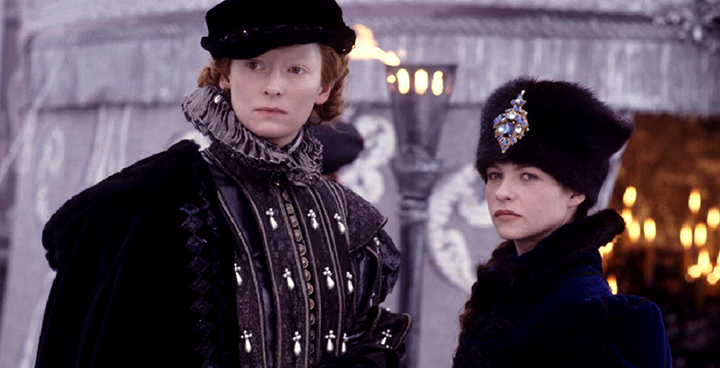
One of those achingly sumptuous glories of arthouse cinema – where the art direction, costume and set design trump any pretentious intentions. Swinton’s performance is mesmerising and witty. She’ll often turn to the camera (à la either incarnation of House of Cards) to confide in us a self-aware commentary on events unfolding… an asssuredness that we, the even smarter viewer, can often see the irony of a tragic hubristic over confidence. Despite these strengths, this still is essentially a formal exercise. There’s a certain coldness and lack of magnanimity to it as an entertainment.

7

Le Bonheur (1965)

Agnès Varda directs Jean-Claude Drouot, Claire Drouot and Marie-France Boyer in this drama where a happily married young family man starts an affair with a postal worker.

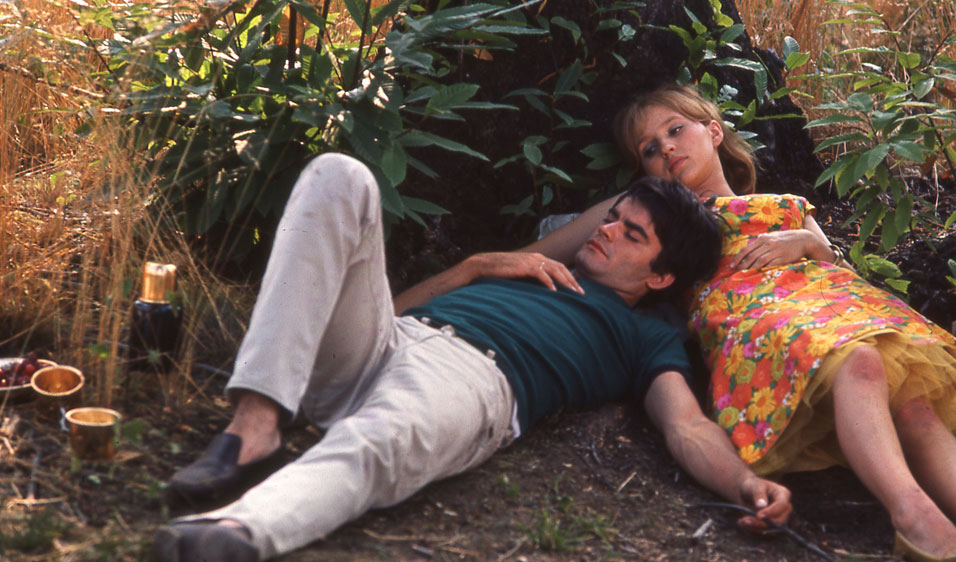
Beyond the film’s deceptively abrasive political and philosophical aims, this is a whirlwind of colours… one of the most visually vibrant pieces of cinema I’ve watched away from genre works. It is akin to Jacques Demy’s The Umbrellas of Cherbourg, in that we are presented with an almost chocolate box vision of romantic fantasy that is then destroyed by reality. In her husband’s film, you get the feeling an uncaring fate pulls the lovers apart, here the less naive assessment is the man’s selfishness and lack of empathy… his unblinking entitlement to put himself first… is to blame. That message sneaks up on you… Varda blindsides you with the shock of the fallout. For much of the running time you feel like you are settling into a warm bath of free love and pastoral beauty. Then she pulls the plug and leave you out in the cold. It feels a slightly different beast than her other films I’ve watched… less optimistic, more angry. This is no bad thing.

8

Movie of the Week: The Unbelievable Truth (1989)

Hal Hartley directs Adrienne Shelly, Robert Burke and Chris Cooke in this indie romance where a recently released from prison mechanic falls for a teenage model in the small town he grew up in.

A lost favourite from when I first got into movies. This small, vibrant satire is archly funny, expertly framed and viciously perceptive. If you approach it like a blue collar Heathers, then you won’t be disappointed. There’s shared DNA in the swipes at Reagan’s America, the primary colour visual look and deadpan line readings. It is a more formally playful film than that cult classic, taking a maturer, less sensational look at hypocrisy of late 80s capitalist obsession. The romance crackles, Adrienne Shelley is incendiary and she has lovely rhythm with her enigmatic leading man. Jim Coleman’s hip score persuasively carries us through the will-they-won’t-they drama. Treat yourself and track this down, The Unbelievable Truth is an unjustly forgotten great.

10