Dog Eat Dog (2016)

Paul Schrader directs Nicolas Cage, Willem Dafoe and Christopher Matthew Cook in this black crime comedy where three unhinged ex-cons move out of their low-level comfort zone and try you pull off a big score with fatal results.

Lurches between gonzo violence to solid character study to exploitation pulp to amateur scratch work to pure visual art. Essentially if you like Cage and Dafoe and you expect nothing of it, there’s nasty pleasures hidden among the randomness. Imagine a crime film told in the style of Gilliam’s Fear and Loathing in Las Vegas and you’ve got the milieu. Ends with loose ends all over the place, don’t expect plot resolution. Still, I’d watch this utter carnage again. Based on a Eddie Bunker book, with Schrader himself acting well in a key role.

6

Revolution (1985)

Hugh Hudson directs Al Pacino, Nastassja Kinski and Sid Owen in this war movie where a father and son are dragged into the turmoil of the War of Independence between the British and Americans.

The film that pretty much destroyed the British film industry for a decade. It cost $28 million and in the States made only 300 grand. After that the city backed away from investing in British productions, pretty much only superior TV movies got cinema distribution until 1994. Eventually Shallow Grave and Four Weddings & A Funeral got commerce pumping again. As for the culprit / scapegoat itself, Revolution still isn’t very good. The kinda club footed production that cast Annie Lennox in a role but then dubs her singing voice with someone else’s. There are battles and scale and stars and period detail but no life. Everything that happens fails to connect with the restless, persevering viewer. Pacino is subdued, Kinski miscast, everyone else lost. Often compared to the notorious Heaven’s Gate, this displays the same levels of hubris and often boredom. Sometimes the film slips out of it own consciousness it so cack handedly edited down. But with Heaven’s Gate you could see a great, beautiful film fighting beneath a miasma of indulgence. This doesn’t have that soul, the dirty dullness is hollow inside.

3

The Bishop’s Wife (1947)

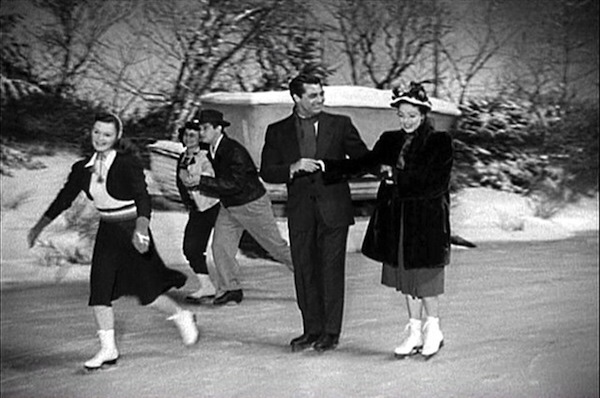
Henry Koster directs Cary Grant, Loretta Young and David Niven in this Christmas romance where a dashing angel falls for the wife of a Bishop he has been assigned to help.

A lovely festive matinee trip to the Filmhouse. The movie feels like a progenitor of Mary Poppins. Grant’s sharp suited angel fills the same role, his miracles are delivered with similar Hollywood trickery and his effect on people is exactly the same. Which puts Niven in a stuffy George Banks role – a little thankless apart from when a chair magics itself to his butt. There’s lots of brisk humour, wondrous flights of fancy and suave heartstring pulling. A pinnacle of studio system lightness.

10

The Chase (1966)

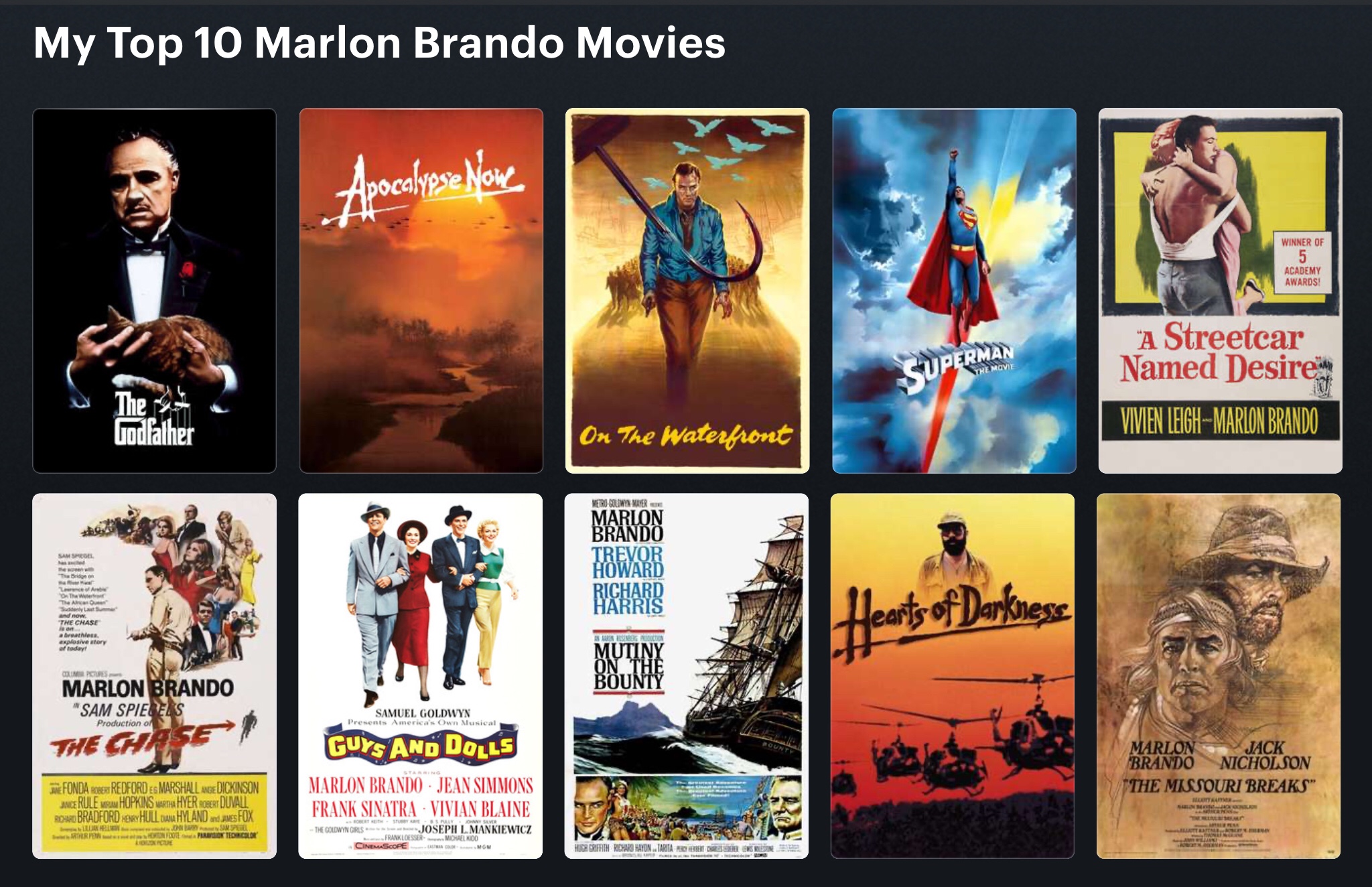
Arthur Penn directs Marlon Brando, Jane Fonda and Robert Redford in this lurid drama where a small town tears itself apart after a wayward hometown boy escapes the penitentiary and goes on the run.

A strange, histrionic film that actually won me over the more it jumped it’s own rails. It is an adaptation of a stage play but so expansive you could never guess. The ensemble is massive and Penn does a good job of marshalling all the faces so none get lost in the crowd. The on-the-run aspects with Redford are cinematic and compelling. The scenes of Brando snarkily policing a town swiftly disintegrating into pandemonium start in good, tart humour. He’s a pretty cool customer until the mob overwhelms him. The early satirical interactions between the various social stratas mix soap opera with an Altman-esque freewheeling energy. It is sultry (Fonda and Angie Dickinson are in it for God’s sake… And they are the good girls!) and it is subversive. Then in the last act all hell breaks loose. Things turn incredibly bleak – paranoia turns to drinking, turns to swinging, turns to racism, turns to lynching, turns to apocalyptic destruction, turns to two decent men being martyred. The Chase goes from being a broad political comedy to maybe the most nihilistic Hollywood product ever released. If you are a fan of Falling Down or Do The Right Thing then you’ll find lots to chew over here.

8

Prison (1949)

Ingmar Bergman directs Doris Svedlund, Birger Malmsten and Eva Henning in this experimental arthouse drama where a filmmaker recreates his friend’s desperate union with a prostitute.

An exploration in sin, misery, corruption and solace. Only really worth watching for some of the meta moments toying with subverting cinema. For example – the credits are read aloud over a tracking shot of a high street. A doodle scribble of movie, a grim one at that.

4

Jacquot de Nantes (1991)

Agnes Varda directs Jacques Demy, Philippe Maron and Edouard Joubaeud in this recreation of her husband’s childhood in Nazi occupied France exploring his burgeoning cinematic ambitions.

Flashes of Demy’s actual work echo throughout. You see the moment inspired recreated as it own portion of celluloid. This is a very sweet heartfelt, cinematic love letter and perfectly watchable coming-of-age drama.

7

Parasite (1982)

Charles Band directs Robert Glaudini, Demi Moore and Al Fann in this sci-fi horror where an infected scientist ends up in a small town at the end of the world.

My second Charles Band experience this week after the equally awful Arena. This is a mildly quirkier film but no less uninspired. It is a lot more bargain basement – a spaghetti Mad Max with none of the stunts, action or punk verve. The roving gangs are pretty harmless and aimless. A lot of the film is just folks bartering and chatting about their lot after a slow disintegration of civilisation. You almost get the feel everyone forgot there’s a monster brewing in our hero and his thermos. It is eventually unleashed to no great consequence.

2

Hidden / Caché (2005)

Michael Haneke directs Daniel Auteuil, Juliette Binoche and Maurice Bénichou in this mystery film where a middle class couple of Parisian pseuds are stalked by someone sending them ominous videos of their lives.

Re-exploring Haneke this season, it is clear his bugbears are guilt, surveillance, secrets sins, the evil in children and the hypocrisy of society. He is cold and clinical, he plays with form deliberately making the camera an unreliable character within the story. This slow burner is probably his most accessible work featuring impactful acting and a puzzle plot that never loses its seductive uncertainty or unpredictable wallop.

8

Arena (1989)

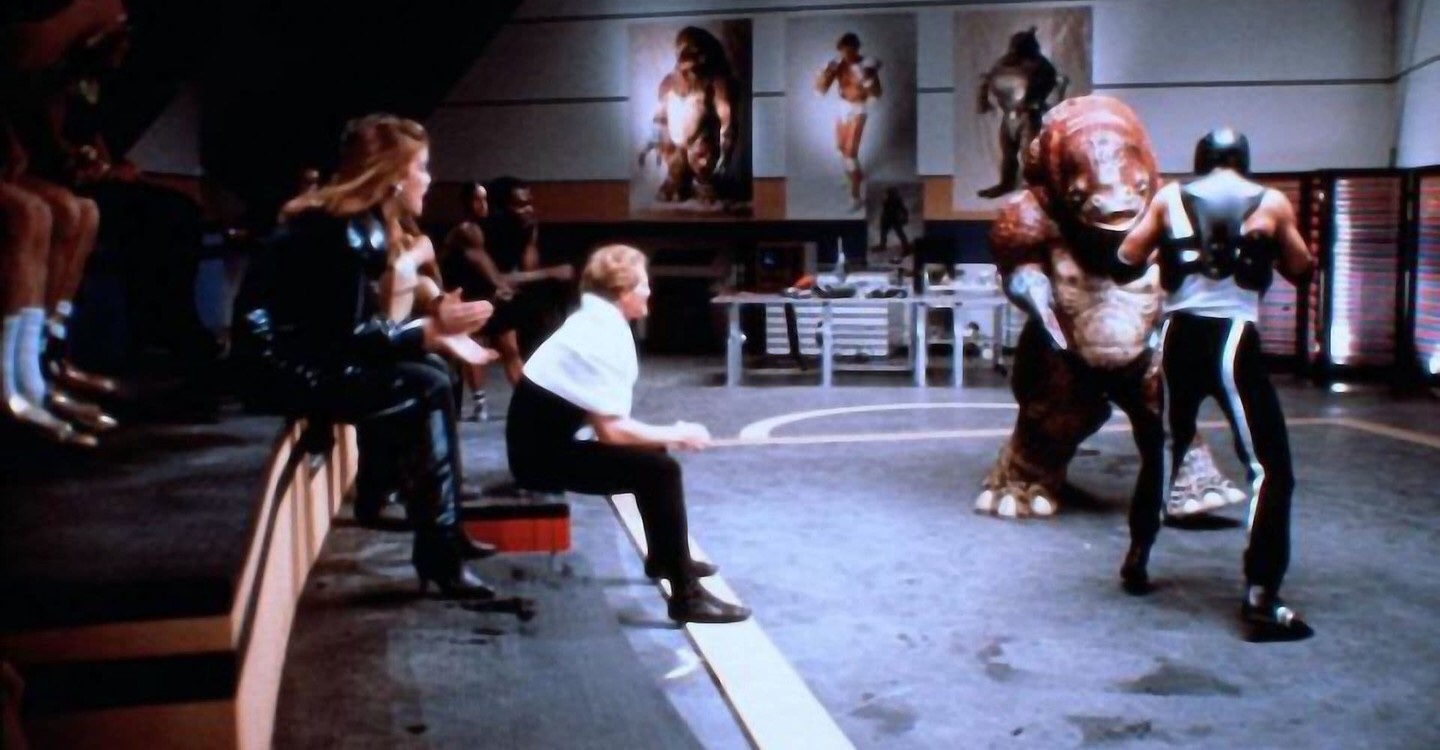
Peter Manoogian directs Paul Satterfield, Claudia Christian and Hamilton Camp in this sci-fi action flick where a human enters an alien boxing contest.

Cheap but tremendous alien design. Everything else just tremendously cheap. Rote, painfully rote. In this world “cheating” is when the handicapping system, that means a human can match a rubbery beastie in strength, is turned off. That’s the white man’s game. It is unfair when he’s not allowed his artificial advantages. There’s no attractive reason to sit through this unless you are really into creature FX.

3

Sisters (1973)

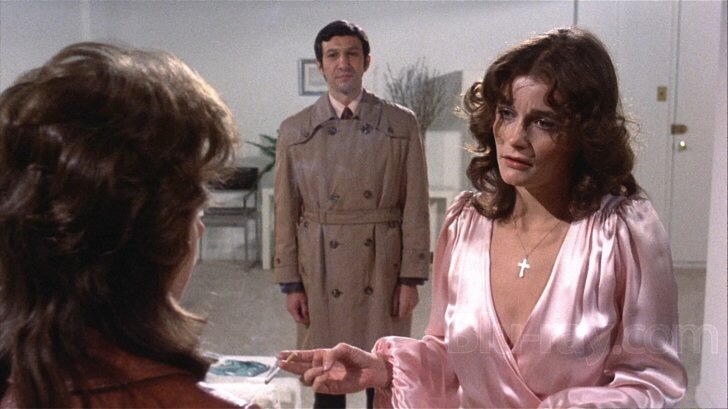
Brian DePalma directs Margot Kidder, Jennifer Salt and William Finley in this surreal thriller where a reporter investigates a murder she witnesses in a detached Siamese twins’ apartment.

A pretty deranged piece of filmmaking contains layers of Hitchcock pastiche, bravura split-screen tension tests, loopy arthouse dream sequences and a nonsense punchline ending. The chief pleasure is Kidder’s typically unhinged performance – 4 parts sexy to 1 part oddball. The thriller aspects are the least loved components and DePalma blurts them out like a hungry child forced to say grace. This is still more akin to his Sixties experimental hippie work than his slick, playful shock fests. A likeable transition.

7