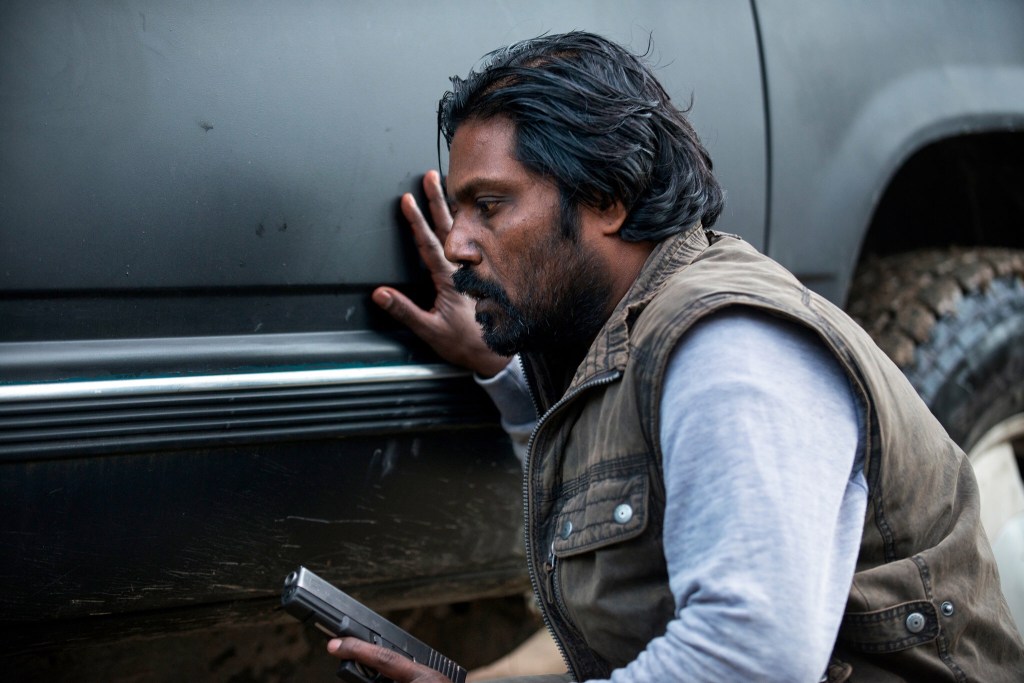
Jacques Audiard directs Antonythasan Jesuthasan, Kalieaswari Srinivasan and Claudine Vinasithamby in this French drama where three refugees from Sri Lanka arrive in France as a fake family.
Audiard again embraces an outsider’s perspective to modern French criminality. The slight problem here is the movie proves far more fascinating when it about the everyday illegal immigrant experience and how these particularly well acted and complex trio begin to form attachments. Once all out project gang war breaks lose, the movie not only goes for sizzle over steak but at least one of the makeshift family is all but forgotten about. A movie this gritty and uncommon definitely deserves praise but that traditional action finale counterintuitively ends things on a low.
John Badham directs Richard Dreyfuss, Emilio Estevez and Madeleine Stowe in this cop comedy where a detective falls for the target is he spying on from across the street.
PG nudity. Comedy bulldog. Moustaches. Many a happy afternoon was spent watching Stakeout as a kid. The emphasis was on pranks and larks over deaths and chases. Though Badham does effectively deliver some full fat peril at the bookends of the narrative. Stowe is the standout in an impressive ensemble even if her accent wobbles a little during the shoot. I’m not sure if they over emphasise her character’s Latino heritage just to justify the banging Gloria Estefan hit from the tie-in soundtrack? Held up just fine.
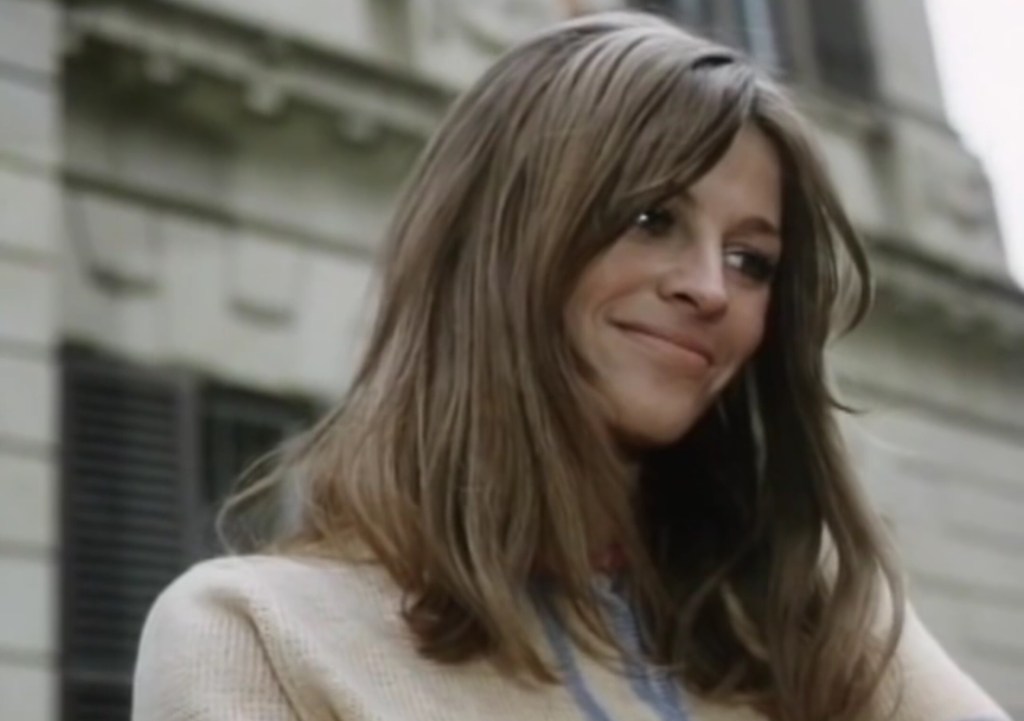
Peter Wood directs Julie Christie, Michael Sarrazin and John Hurt in this romance movie where a British heiress visits her father’s villa in Milan and becomes sexually obsessed with his elusive house guest who she keeps failing to meet.
A frippery. Greenlit as Christie wanted to be in the same country as then lover Warren Beatty, who was in Italy for some other long forgotten project. John Hurt gives a strange but indelible performance as Christie’s incestuous bisexual brother. Otherwise this is is all mouldy Italian New Wave afterthoughts and stale Swinging Sixties stylings. It is genuinely a shock how long they drag out and string along such a thin concept, but there’s minimal entertainment value. If you haven’t come to ogle Christie or Sarrazin in expensive fashions than there’s palpably not much here. Reminds me of the kinda movie they used to project on the walls of club nights in my twenties. Evoking some abandoned sense of style and glamour but not obtrusive enough to distract from the DJ.
4
Demon Seed (1977)
Donald Cammell directs Julie Christie, Robert Vaughn and Fritz Weaver in this sci-fi horror where a supercomputer hijacks a woman’s automated home and terrorises her.
A beguiling little freak out. The first half hour is testing, really staid and dry. But then once the villain, a prescient mixture of Alexa and HAL, locks Julie Christie in with minimal options for escape we take a strange psycho-sexual road less travelled. Cammell, a former artist who co-directed Performance, shows his artificial intelligence monster spying, torturing and coercing his infatuation. It is explicitly a male being, he stares at Christie in the nude, strangely lingering not on her breasts, legs, bum, muff or face but her arms and her stomach. The things Proteus IV desires. His own limbs, a womb. The unsettling insemination and cyber bondage sequences are queasily intrusive. For pure horror fans there is a geometric shape shifting sentry that pinches a man’s head clean off. For the arthouse crowd there are trippy moments of the computer visualising its assessments of man, the ecology and itself. There are longueurs that stretch the patience, it could probably do with Christie having at least one more dynamic crack at fleeing to fulfil its genre requirements, and she is better than the material no matter how creatively it is all shot. Still, for a dated old shocker Demon Seed still retains an unsettling late night thrall.
7
Darling (1965)
John Schlesinger directs Julie Christie, Dirk Bogarde and Laurence Harvey in this drama following the affairs and career of an aimless but sunny fashion model.
I’ve seen many reviews of this describe Christie’s Oscar winning Diana Scott as amoral, calculating or vapid. I think that misses the point. The world as portrayed by Schlesinger is all those things. Hypocritical too! Charity benefits see rich people gourge themselves, pampered white faces served by tired looking black children in Regency servant dress. A cuckold is cheated on using the exact same method of phone box deception as he tried on his first wife. Advert shoots for chocolate and shampoo make the pleasurable a gruelling chore. Art is dead (see the subplot fate of that old Tolkien inspired writer who is charmed by a gauche Christie), long live consumer products. Christie’s character makes good decisions and bad decisions, she is rarely mercenary or foolish. She is promiscuous but why the double standard for her when all men are? She has an abortion, and why shouldn’t she? She frames the act deceptively to us and herself in her narration as ‘losing’ the baby after some initial excitement. Her only unethical sin is shoplifting from Fortnum & Masons. Twenty years ago she might not have been allowed through the door. Why shouldn’t she enjoy the best in life, whether she can afford it or not? These freedoms, services, men, loves, products and choices might not have been hers 10 years before. Who are we to judge if someone whose beauty and innocence is exploited chooses to live a life that is that is ugly under the surface and experienced by its very nature. Schlesinger holds a mirror up to the old guard, the conservatism and patriarchal ways and shows someone who shouldn’t be here naively succeeding on their turf and by their rules. The end result might be lonely and hollow but the time capsule nature of the movie’s location work and costuming overrides the emotions and needs of the characters. They are now artefacts for us gawp at through a wonderfully lit, spotless museum glass showcase. Exhibits from when gender politics first started changing. One unsettling party scene in the middle all but blurs the notions of man and woman completely. Probably the nearest a British film ever got to playing Fellini at his own game. Christie and Bogarde are ever excellent here, whether in or out of love, and Schlesinger includes some daring frank depictions of homosexuality, both positive and negative. A very exquisite looking satire of Sixties Britain.
7
Shampoo (1975)
Hal Ashby directs Warren Beatty, Goldie Hawn and Julie Christie in this sex comedy following a dumb hair stylist’s parade of conquests on the eve of Nixon winning the presidency in ‘68.
Similar to Darling, in that we focus on a protagonist who is a mere pawn in the big game and who does a lot of fucking as they move around the board. It is fair to say Beatty’s George Roundy has a lot less nuance and affection. He’s a horny twit, he struggles to complete sentences of more than two words and rarely has the upper hand even in the bedroom. Beatty, Ashby and Robert Towne want to make a mod(-ish) take on Tom Jones. Where the vapid and vacuous’ successes are within his limited realm of being a fuckboy but the bigger machinations of political conspiracy and capitalism envelop his world obliquely. He can’t get a bank loan but he ain’t “anti-establishment”, he gets invited to exclusive senator’s parties but spends the night juggling his many amours, never paying any attention to the shift in power. Much like Chauncey Gardiner in Ashby’s later and superior Being There, he coasts through upper society with very little political nouse or awareness to preserve himself from the dangerous tides he is adrift in. The film for all its pleasant horny merits has dated. The farcical humour frequently no longer works. The treatment of the female leads is awkward… Christie’s and Lee Grant’s prominent characters never settle in to consistency, and even though Hawn gives an effervescent performance it is also a very effecting, sad one for much of the running time. At least a teenage Carrie Fisher makes a strong impression in a three scene role as the already brokenly jaded next generation. The then recent 1968 Los Angeles scene is recreated but damningly and wistful. Shampoo would make a great double bill with Once Upon a Time… In Hollywood, and I think like Tarantino’s epic it was intended as a celebration of this point of counterculture fluxation, the older film just is too needy and wet eyed to still gift much joy. We watch Beatty end his crazy day used up and alone, watching who he has finally decided is the love of his life drive away in a silver Rolls Royce. The Beach Boys begin to play. “Wouldn’t it be nice if we were older?” laments the reprise. But what has been learnt between 1968-1975? Beatty should have focussed on one woman? He didn’t in real life and I’m not sure Christie’s Jackie rejects him for his promiscuity here. The kids should have been more astute about Nixon when he was elected? Natalie pointed out when watching she’d be surprised if any character we follow aside from Jack Warden’s business magnate even voted. That the old keep all the spoils in the end and nothing much has changed? Beatty might be sporting a bouffant hair-do and a puffy shirt but let’s be honest his craggy leathered face betrays a middle aged man already wishing it was still seven years ago. Bittersweet but it is hard to fully submit to a vanity project made by a millionaire who pretends he wasn’t yet in his late thirties throughout.
6
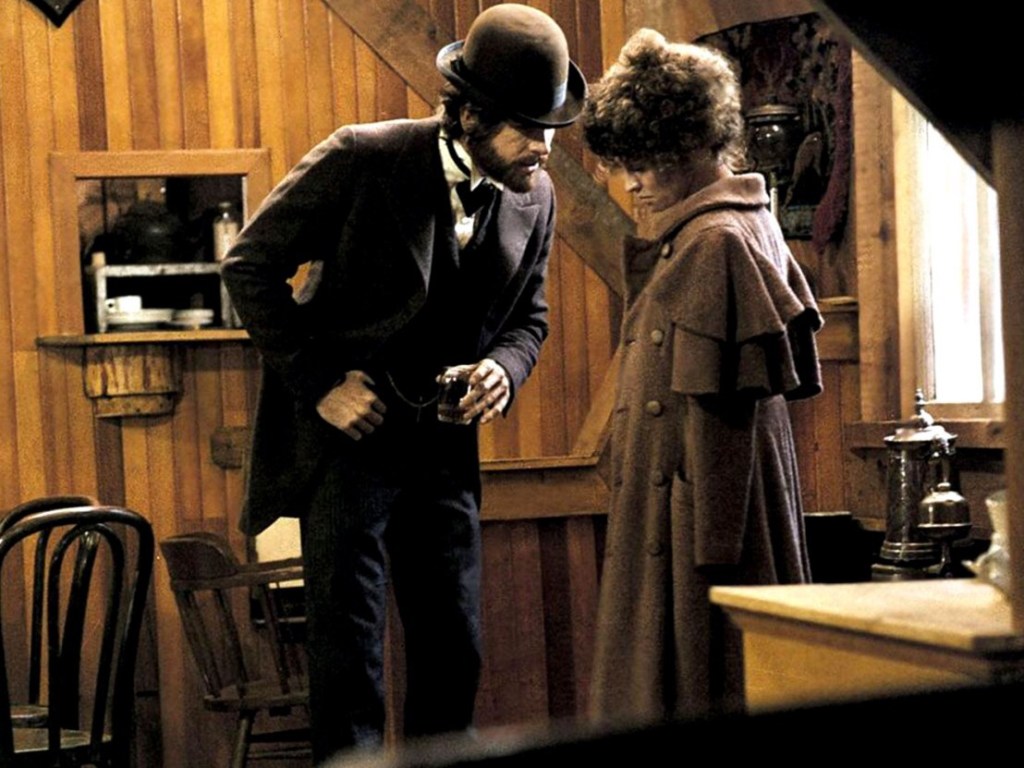
McCabe & Mrs. Miller (1971)
Robert Altman directs Warren Beatty, Julie Christie and René Auberjonois in this revisionist western where a gambler and a whore develop a mining community into a flourishing township.
Probably Christie’s best performance as the cockney madame who hitches her hopes to a man not smart enough to recognise his dwindling place in the evolving eco system. Don’t Look Now probably stretches her more emotionally, Darling demands greater subtleties from her but Constance Miller is the rare time you feel she is inhabiting a role rather than playing a variation on the irresistible sunny English Rose™. Opium addict, strong negotiator, beauty almost obscured by a nest of curls. While Beatty’s McCabe is all bluff and odds, she not only can see ahead into the long term but has clearly experienced men who value human life very differently – a bullet is cheaper than a fair price, if the numbers don’t make sense quickly they cut their losses and exploit. Capitalism as brute Darwinism. Big fish only, no room for small free enterprise. A movie presented to you by Kinney Services – a parking and cleaning conglomerate who bought out Warner Bros. and then assumed the legendary studio’s name after a price fixing scandal concurrent with this very movie’s release.
Leon Ericksen’s production design is a wooden labyrinth of society under construction, built and populated by draft dodging American boys hiding in Canada. The Robert Altman movie this evokes early on is his notorious Popeye production. A ramshackle town connected by planks and rope bridges, a community of eccentric losers and dirty tenderhorns, their background dialogue overlapping so much in the introductory scenes that you are frightened you’ll never hear an exchange cleanly. Eventually order emerges from this chaos. Much like the later (and patently influenced) Deadwood we see vice and avarice ignite into community and cooperation. The pioneer spirit gives way to prosperity, health and urban development. A church is even built but is misused as storage for junk and offers no solace in the final showdown except as a fiery distraction. Once Altman puts aside his incomprehensible chatter techniques we get a few interactions that leave a wounding impression. Hugh Millias, a fascinating character in real life who didn’t make many movies, turns up as the mining company’s assassin and commands the screen in a terrifyingly callous moment of realisation. Later, one of his henchmen goads a boyish saddle tramp into an equally chilling one-sided shoot out. A lawyer gives McCabe the full legal sales pitch but little practical protection, dealing in the same blustering verbiage that our anti-hero used to command temporary control of his camp of outsiders only an hour earlier.
It would take a very hardened soul not to get swept up in the inevitable tragedy of it all. Leonard Cohen’s dirges fill in for a score, laments for some self-hating loser’s dreams and desires. Fans of traditional genre movies can fill their boots in the grand finale, a drawn out game of cat-and-mouse in a blizzard. When the fatal bullets start flying, they come after an near-excruciating hour of malignant threat bearing down on McCabe, full of pregnant menace. And Beatty plays one of his over-confident twits to perfection here. His chemistry with Christie has a stunted melancholy, his hubris drops away and his stock jokes and non-sequiturs lose all confidence. Watching him desperately scrabble through the snow, outgunned and trapped in the very buildings (made from the same materials as coffins) he funded, you feel truly sorry for the little man who for a few transactions was master of his destiny.
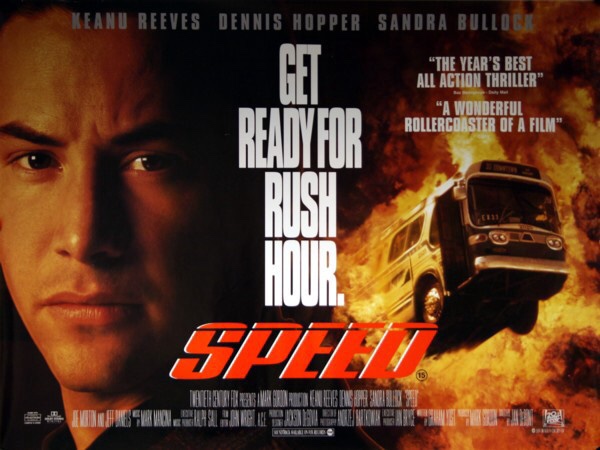
Jan de Bont directs Keanu Reeves, Sandra Bullock and Dennis Hopper in this action movie where a mad bomber rigs a commuter bus to explode if it drops below 50 miles an hour.
A pure movie, streamlining itself to a rhythm of set-up, tension, incident, recovery over and over again with near orgasmic brio. Like a seven course meal the sizes of each set piece of cliffhanger or carnage is served in exactly the right portions. We want to see the bus off the freeway and in the populated streets for a while but not so long that we ever get bored of cars been tailgated, pedestrians imperilled or parking meters displaced. Once we reach the midway point and the bus has literally had to learn to fly to keep on moving, de Bont knows it is time to get other clocks ticking and find a way to defuse the situation before any of the countdowns reach zero. But only the very millisecond immediately before. He knows there is a cinema full of rubberneckers who need to see that bus go boom, the screen fill with high octane orange and the Dolby Speaker system vibrate off its hinges. We even quite over-generously get bookending action sequences on a dangling elevator and a runaway subway train just so the experience feels utterly OTT.
Maybe the real marvel of Speed was it was a genuine sleeper. $30 million dollars shouldn’t look this monumental, even back in 1994. Made for a third of what your contemporary Cameron, Spielberg or McTiernan would cost, starring people not particularly guaranteed to open a movie. The True Lies director must have been particularly perturbed that Arnie crashing a Harrier jump jet through skyscrapers to save his daughter had less cultural impact than Ted from Bill & Ted and the kooky girl sidekick from Demolition Man surfing into a crowd of red rubber bollards did… for a fraction of what his movie spent. De Bont’s explosive rattler may have cost a lot less but it feels like a billion dollar event movie… shot in the real world and with very little of the stunt work or seamless practical FX showing any age. A big telephone or two aside… I doubt an unprompted kid would cotton on to this being a 27 year old film.
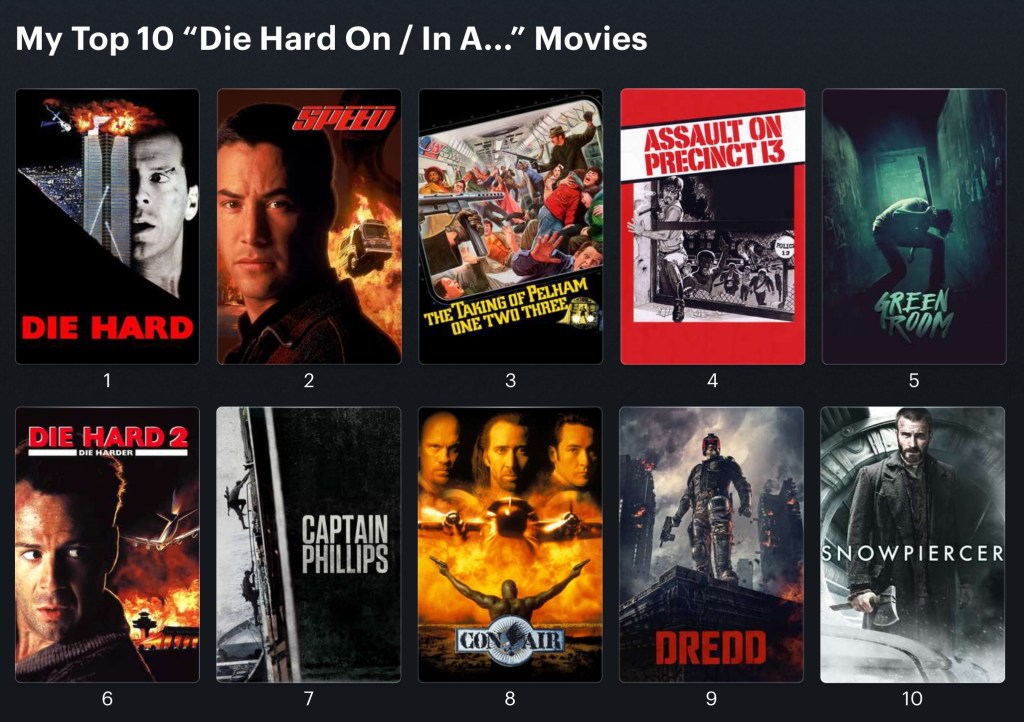
The unexpected quality and entertainment this gifted us all in 1994 meant everyone involved’s career was given a major bump. Keanu Reeves went from slightly spaced out himbo to the sharpest cut action star on the A-List. His surfer dude cool matured overnight into a man of proficient action. Jack Traven, dedicated cop, with his Boy Scout manners and daredevil drive is a wonderful overlap of Elliot Ness and Ethan Hunt. I’m surprised we didn’t see Hollywood try to crowbar every pretty boy into this new type of hero… not a wise cracker but a do-er, no backstory just well trained capability. Alas, the age of the superhero was gearing up. These Die Hard derivations were slowly on the way out of the green lighters graces. I’m not entirely sure audiences ever stopped buying tickets for the good ones though?? This actually owes as much if not more to The Taking of Pelham 123 as it does the John McClane saga.
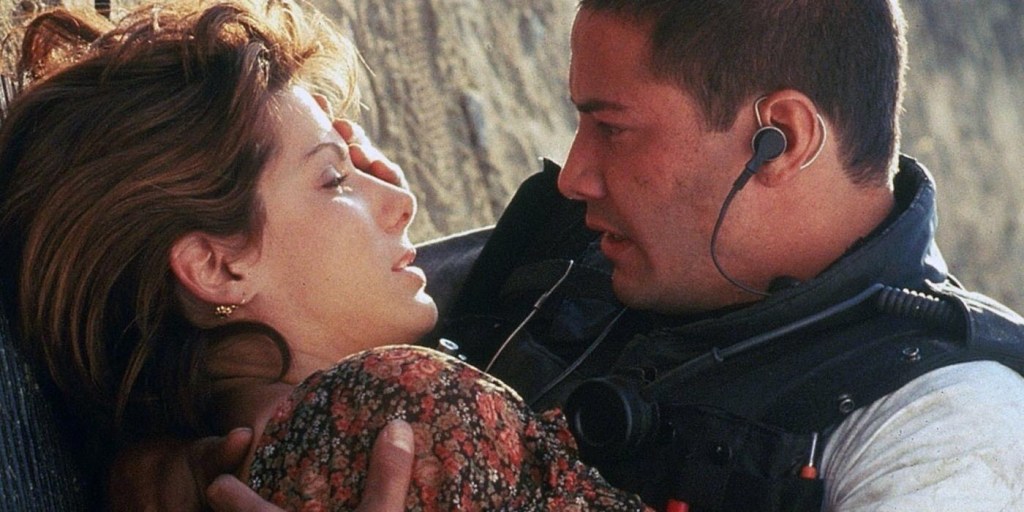
Dennis Hopper has a blast as the unhinged villain. My favourite line as he finally gets his hands on the ransom: “Poor people are crazy, Jack. I’m eccentric.” His elaborate death traps are so well planned you kinda want to see the loon rewarded for all his hard deranged work. And Sandra Bullock became a household name as the cute girl who ends up driving the bus while everyone else is jumping on, off and under it. She dazzles here… her chemistry with Reeves is scorching and they never should have dared a sequel without both of them back on board. I covered Speed 2 here… a late in the day legacy Speed 3 with Jack and Annie reunited though? I’d be in.
Props also to Mark Mancina’s rousing score, Josh Whedon’s hip dialogue rewrite work and Billy Idol’s absolute banger of a theme song. They only ever made them like this once. As Keanu says when he’s down between Sandra’s legs checking things out. “It’s clean.” Clean? Absolutely flawless.
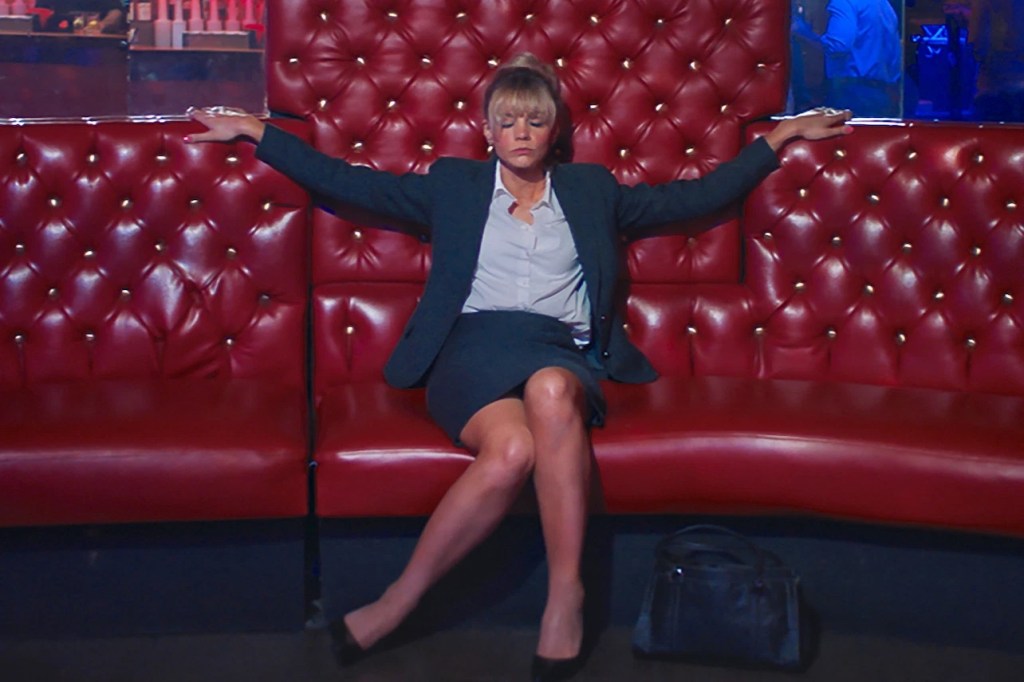
Emerald Fennell directs Carey Mulligan, Bo Burnham and Laverne Cox in this indie comedy thriller where a depressed college drop-out spends her nights in clubs posing as a drunk, vulnerable girl so she can get men to take her home and teach them a lesson in consent.
The Danish Girl or Philadelphia or Paul Haggis’ Crash. There are “awards hype movies” that feel like they address thorny issues head on and expand the cinematic dialogue in their moment but then a mere few months later are swept aside as being hollow and over simplified distasteful broadsides. I get the feeling in the coming year that current Oscar hot potato Promising Young Woman will join this ignominious little group. Unlike say, In the Heat of the Night or Victim, we won’t be able to eventually circle back and appreciate the entertainment value and technical proficiency these oh so of their moment time capsules have. Because there isn’t much more to them than their topicality. Some issues movies are burst by the subject being too unwieldy to boil down into a two hour film, others are stunted by tone deaf studio concerns. The creations of people who have to give voice to a suffering they have not experienced or market a new way of thinking to a mainstream audience who might not organically question the societal values that need rethinking.
Promising Young Woman is such a reduction – dealing with a controversial and currently in vogue dialogue in a way that absorbs a lot of the buzz phrases and key incidents on the conversations of rape, male privilege, objectification, gender justice and, most compellingly, consent… but then never really ringing true or having fun or exploring any particularly telling nuance. It is Sexual Assault: The Movie, made for an obsessed “fan base” of this subject in the same way Transformers was made for little boys of all ages who care more for a big screen showcase of toys that can be robots and cars than universally enjoyable cinema. Much like the Michael Bay franchise has struggled to convert anyone who never played with an Optimus Prime, I doubt Emerald Fennell’s debut will do much for people outside a particular woke echo chamber. Which is a shame as nobody has yet to figure out a way to deliver the message of explicit consent to young men… and that does need to happen somehow.
Emerald Fennell’s debut isn’t a film made to change hearts and minds but merely to serve up familiar content to those feminists already on board with its message. It swims in the same pool as I May Destroy You or The Assistant or The Morning Show. But not their deep end. We get joking opening shots of tubby, bland men dancing in a way that lampoons the male gaze. We get elaborately rigged situations where everyone but the victim of sexual assault can be made immorally complicit in all sexual assaults. We are shovelled moments of victorious retaliation that have little real world consequence. Are we witnessing a world where all men will claim dominion of an incapacitated woman’s body? Or where a six foot man will not retaliate if slender petite girl enters his house under false pretences or smashes his car with a metal pole or blackmails him after he forms an emotional vulnerability with her? That’s no moral judgement on the film in those questions. I’m just wondering aloud if the impotent passivity that Mulligan’s Cassie experiences when she attacks, destroys and exposes people rings true with Fennell’s vision of masculinity where every male will rape and condone rape given the right circumstances. Are us lads all mindless predators or all defenceless cucks? What does this say of the men the creatives have routinely experienced? Are they all frat boys and beta soy sensitives? I don’t actually need working class, or non Americans, those uninterested in casual sex to be better represented here but maybe its a little telling that Fennell only operates with three types of man; upper middle class attractive but dangerous, upper middle class needy but unheroic, or Daddy (upper middle class).
There’s no “poor me” to this. The ‘girls’ movie’ did not stub my fragile male toe. Men have been shown in every light in cinema from Black Panther to Ratzo Rizzo, from Atticus Finch to Hannibal Lecter. I think we can survive being boiled down to a few clunky stereotypes for a story or two. Here however humanity, both genders, is diluted to the point of view of someone who has let a tragedy define their life. It is too glib and too sophomoric a text to really try and speak to the pain that victims of rape go through trying to get on with their lives. The movie it reminds me of most is the equally distasteful and shallow Joker. Todd Phillip’s aped early Scorsese to conjure up a world of insensitivity, paranoia and callousness. What Promising Young Woman lacks in scale and big screen chaos it makes up for in at least having a visual sense of its own… or at the very least inspired by less overriding sources. Yet I couldn’t shake the niggling feeling that a mentally unstable individual is being treated as anti-hero onscreen with no lurid exploitation value and a rather juvenile sense of validity. Not a problem in pulp or comedy or horror… but again this has been sold to us as a modern dramatic masterpiece, in the wake of far more sophisticated peers.
There is good here. Mulligan is impressive in the scenes where she turns the tables on the establishment figures. Watching her switch and gain the upper hand in the bedroom, offices and restaurants of the complicit showcases some tight acting and great scripting. An early shot where she stares down some cat callers, red sauce dripping from her hand and the power shifting firmly to her side of the street almost won me over. The reclamation of pop music works perfectly. The support cast is stellar (although Alison Brie should be front and centre in projects like this – she’s far better than the support ghetto).
As a movie there were parts I liked and parts I struggled not to hate, yet nothing I truly loved. It is frustrating to watch such a cause célèbre and feel ‘meh’ through so much of it. If I was hooked up to a heart monitor the reading would barely move. Every time I got ready to either relax into a quirky thriller or girded myself to feel uncomfortable as a man in the firing line, the movie seemed to reset. It felt like a calling card that never gains momentum beyond its hook and candy colour production design. It is just a flashy debut. Maybe the raves and nominations in a unique year for cinematic releases have overburdened a little movie that really only should have been in contention for acting noms?
Promising Young Woman has a sickly sweet palette that evokes teen classics like Heathers or Clueless but lacks either of those simpler less ambitious satires’ self-awareness. They are heightened fantasises, this wears the look of artificiality but wants to be taken as real world polemic. It has an edge that calls back to scrappier indie movies like The Last Supper or Very Bad Things… yet those movies were smart enough to also bite back at the seemingly progressive values of its protagonists and the audience they mirrored. You never get an inkling that we are not supposed to venerate and celebrate a woman who has allowed her life to be consumed and defined by rape. At no point do Mulligan or Fennell allow even a hint that the lives Cassie is upturning in her wake are anything more than long due justice coming home to roost. And then because this is a film about a calculating vigilante who must always have the moral upper hand we get no pleasing transgressive violence that say the unhinged Travis Bickle delivers in Taxi Driver or phoenix from the flame Jennifer unleashes in the far superior, tellingly less arthouse and broadsheet friendly, Revenge. In fact anyone who has seen enough thrillers and TV shows will notice just how much we are not being shown in the first act and realise very early it will be revealed just how toothless and unlikely Cassie’s grand plan is in comparison to what we are promised in the marketing materials.
A quick note on Promising Young Woman’s controversial ending. You should definitely look away now if you are yet to see it. It HAD me for a few minutes. I thought an incredibly brave choice had been made, one that rang true to the fact here was a woman putting herself in the way of harm with a sociopathic obsession. Fennell should be lauded for holding on that shocking act of violence in the story’s penultimate moments. It opened up questions of self defence and even had a neat gender reversed scene where a transgressor is comforted in the way all rape victims might be… but then the movie retracts its killer blow with an improbable twist. Like all empty issues movies it wants the tragedy AND the happy ending, justice in an unjust society. One negates the other. We swerve from a risky but genuinely affecting conclusion to a rote coup de grâce. And that’s maybe what holds Promising Young Woman back from living up to its promise, it was in such a rush to be timely and on trend it isn’t assured enough of itself to reward us with full fat shock finale. This has not been tonally thought through. It feels like a rough draft of a far more exciting, combative and prescient movie. If it were just a subversive bubblegum thriller it wouldn’t matter. But now it has been released and marketed and praised as a key text in a very didactic debate, it really struggles to be consistent. As either entertainment, satire or essay.
Really, I haven’t covered them on here as they are TV but I wholeheartedly endorse I May Destroy You or The Morning Show for tackling this subject matter with far more room and maturity and verve. Promising Young Woman is 2021’s Rorschach Test of a movie as much for its fumbles and scrappiness. I wish I fell on either side. Wish I detested it. Wish even more that I could sing its praises. Yet ultimately it is average, misguided and more hard work than its worth. Promising… but doesn’t deliver.
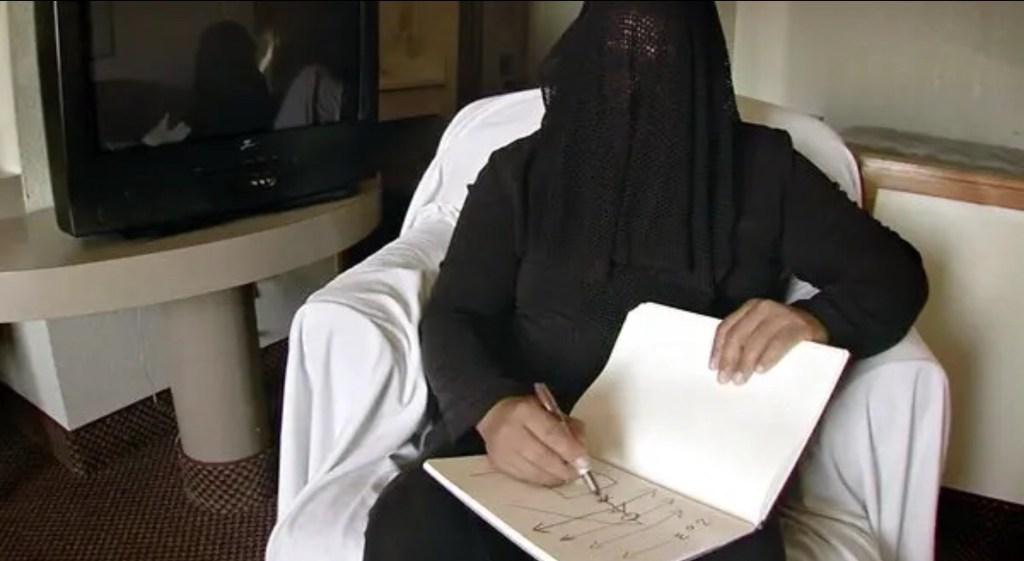
Gianfranco Rosi directs one shrouded man in a hotel room telling his life story as a policeman assassin for a Mexican drugs cartel.
99% of this is just a man with a veil over his face, sitting in a motel room where he once killed another man, scribbling numbers and crude diagrams into a notebook with a Sharpie. He loves drawing cars. An insight into the callous economics of the other side of the war on drugs. Yet his escape from a life as a murderer and a torturer doesn’t ring true and by that development you’ve already been watching this faceless monster waffle on and sketch repetitive floorplans for over an hour. Sometimes no frills means no thrills.
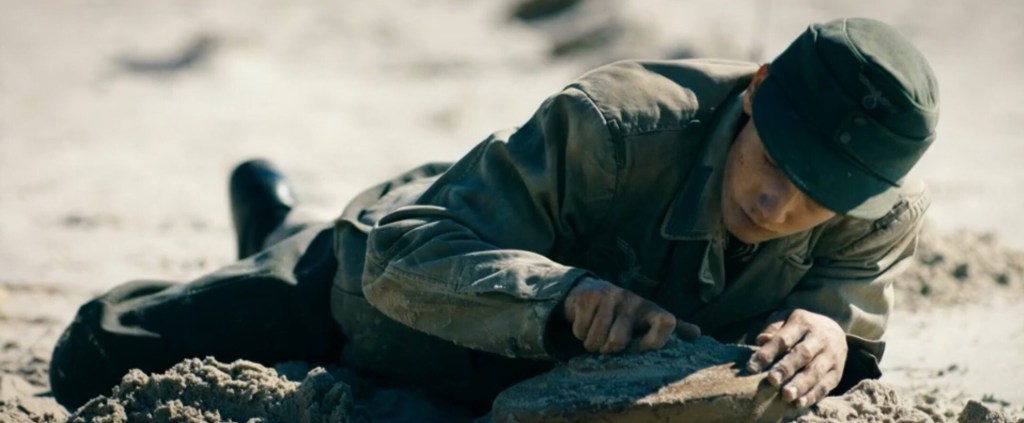
Martin Zandvliet directs Roland Møller, Louis Hofmann and Mikkel Boe Følsgaard in the Danish WWII movie about a cruel footnote in military history where surrendered German soldiers were forced to defuse thousands of land mines hidden in the beaches of Denmark, many of them mere young boys.
A cracking little anti-war movie that is intense and briskly scripted. There are precision calculated shocks and emotional shifts here handled in a way that would make a good class example of clean cinematic storytelling. The central performance by Roland Møller as the prejudiced officer left in charge of the doomed enemy kids is robustly affecting without ever needing a monologue or saccharine moment to underline his returning humanity.
Paul W. S. Anderson directs Sanaa Lathan, Lance Henriksen and Ewen Bremner in this sci-fi horror mash-up were the iconic xenomorphs and hunters from far better movie series’ face off.
“Whoever wins. We lose.” Fair to say I was the target market for this… I obsessed over both franchises – bought the Dark Horse comics, action figures and model kits in my teens. When this arrived after a seven year drought of big screen releases for either sci-fi series, it was fair to say I was hella thirsty for acid blood and cackling countdowns. Despite Event Horizon being promising, there was something about Paul W. S. Anderson that didn’t exactly stoke up the fire of excitement. Neither Arnie nor, more importantly, Sigourney was returning. The released movie was a low toss. Not particularly spectacular – awkwardly characterless and pulling its punches in terms of gore. Slick, toothless, featureless. A disappointment. A couple of decades of even lower quality reboots and sequels down the line, has this aged any better on cautious rewatch? Not really. It feels like mercenary lowest common denominator stuff. Sanaa Lathan tries to be a memorable final girl but she merely hits her mark in an underdeveloped role. Anderson clearly loves his sets and monsters, bringing atmosphere to his abandoned Victorian whaling outpost and the alien pyramid underneath. His shooting style is just a little too clean and unfussy though. You can see the animatronics jerkily calibrating the alien queen’s artificial moves, the shifting of the traps goes at exactly the speed of four Czech men pushing a bit of heavy set dressing in unison. There’s a reason Ridley, Cameron, Fincher and even Stephen Hopkins powered into backlighting, shadow and dry ice. As well designed as the creatures are they cannot hold up to the scrutiny of a well lit lengthy close-up. Give us a bit of mystique, for fucks sake. For middling action and reheated plotting AvP might be a good starter into the franchise for the uninspired. It does exactly what it says on the tin and clearly is made by someone who slavishly adores the franchise. For those of us immersed in these series this feels very much like the bland off cuts and reheats from superior movies rather than the mother of all battles. Still, the sequel to this went the other way and that was even worse…
Dan Berk and Robert Olsen direct Bill Skarsgård, Maika Monroe and Jeffrey Donovan in this indie thriller where two hapless crime kids break into the wrong house.
Echoing the early Coen Brothers, Bound and Ted Demme, this is the kinda showy little gem that used to get its directors noticed and at least offered a big budget swing at the A-List. These days your debut seemingly needs to be to Oscar nominated before you might be offered a franchise sequel but hopefully this has caught a cannier studio head’s eye over lockdown. A blackly comic game of cat and mouse between airhead gas station robbers and far more experienced, unhinged nasty pieces of work. Kyra Sedgwick ramps up her Baby Jane mature sexiness in a sinister bit of largess. Fighting it out for most memorable actor though is a titanic struggle between Maika Monroe and Jeffrey Donovan. The scream queen excels as the sweet but resourceful Jules (think an even more spaced out Bonnie or Alabama). Donovan, who is always great in small roles, relishes this maximum screen time as the smooth tongued dapper daddy who runs this house of kitsch horrors. Everyone is impeccably attired by costume designer Stacey Berman. There’s even a punky animated credit sequence.
Xavier Dolan directs Anne Dorval, Antoine Olivier Pilon and Suzanne Clément in this drama about a violently troubled teen who finds himself back in the care of his abrasive but loving mother.
Well acted and expressively shot but you feel like it doesn’t really have anywhere to go after its introductory title cards. So wallow in grating characters’ misery wondering if the horny brat will ever calm down long enough for the closeted housewives to get it on. Digital melodrama. Sirk without the restraint, Ray without the warmth.











 Bobby Carroll's Movie Diary