Kidnap (2017)

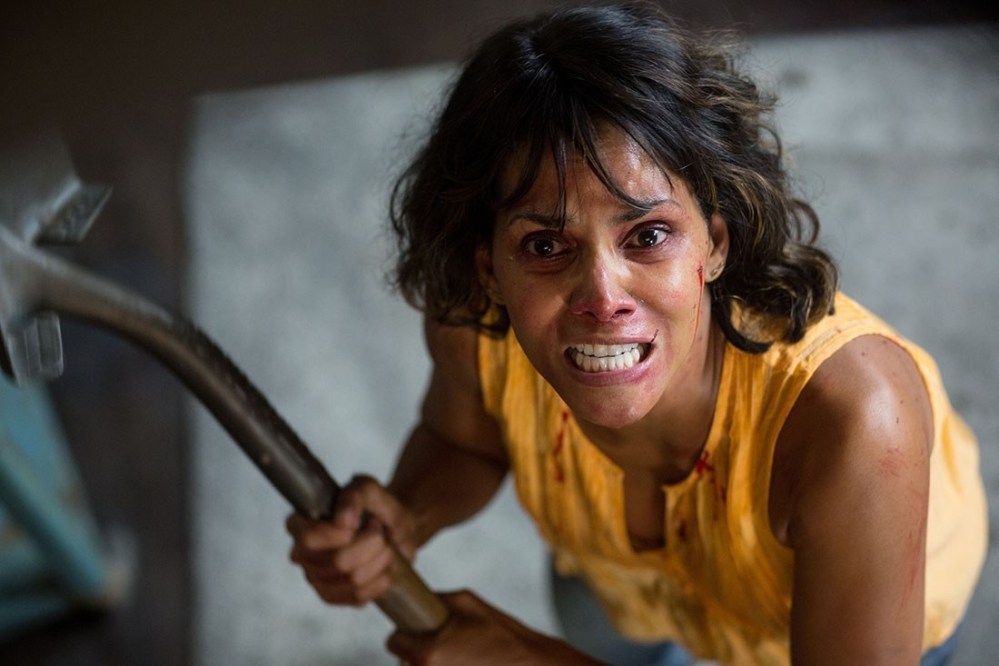
Luis Prieto directs Halle Berry, Chris McGinn and Sage Correa in this thriller where a single mom chases the fleeing car that holds her abducted child.

There’s one or two quite decent set pieces here – Berry desperately cutting across hard shoulders and central reservations to keep up with her unknown nemesis on a tangle of freeway off ramps works well. That’s 10 minutes of film though and the rest of the action is pretty blah. Berry has never been the best actress, so maybe a film that relies on her being the sole, lonely focus on screen for quite so much runtime wasn’t the best choice for all concerned. Including me. I choose to watch it. And it just about did its late night, high concept job. Adequate.

4

Play Misty For Me (1973)

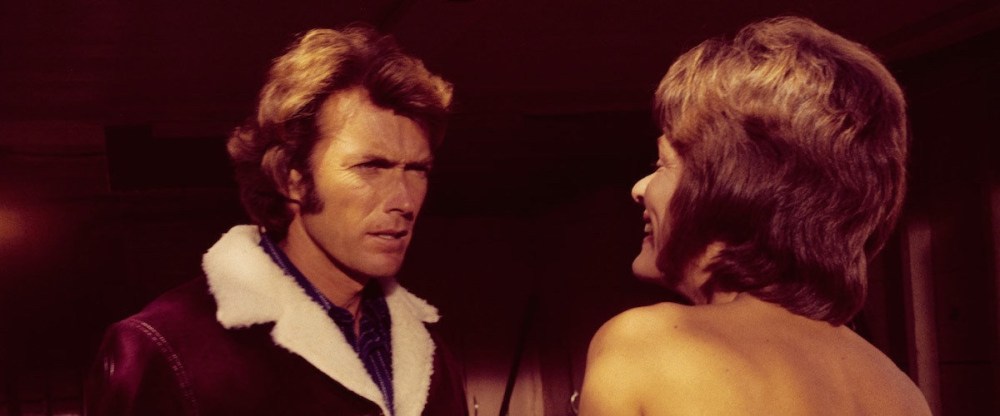
Clint Eastwood directs himself, Jessica Walters and Donna Mills in this psychological thriller where a DJ fucks a fan who becomes violently obsessed with him.

A movie that is fascinating for three reasons. 1) The start of Clint’s directing career… a career that gifted us one of the most classical and confident filmmakers in current Hollywood. 2) The earliest pure example I know of the yuppie in peril / stalker thriller, a sub-genre that Natalie & I enjoy thoroughly. 3) Like the later, similar Fatal Attraction, it now proves a somewhat unintentional exploration of toxic masculinity. Clint is supposed to be the victim here, emasculated from what he “deserves” (young pussy and fame) by a one night stand who irrationally wants more than what he used out of her. And yes, Walters is unhinged in her actions and her juggernaut of a performance. She dominates scenes, unsettling Clint and us, leaving us with little air to breathe. It is the kinda great turn that should have made the future Lucille Bluth a household name… á la Kathy Bates and Glenn Close. Yet what is unusual is just how she boxes Eastwood… the man of action, at the height of his leading man box office status… in. He has very few options but to callously get on with his life and hope she gives up – moves on to another poor schlub or kills herself. Misty has dated. Your sympathies aren’t really with anyone as both lives car crash into each other. Emotionless lotharios and murderous harpies both merit worse than they get. But I’m sure Clint doesn’t share that assessmen. His later works show more sophistication but his personal life suggests he does see women as commodities to be humped and dumped. And to judge this attitude based purely on what happens on screen there’s that awful treacly romantic montage of lovemaking in the third act when our hounded DJ finally wins back his true love -young, bland, submissive. It feels like an advert for what men should get, for what Clint feels he is entitled to. It certainly isn’t intended as the cheesy slice of high camp it now plays out to for modern eyes. Modern eyes ruin a film like a Misty. Yet it still has a strange compulsive power.

7

Pain and Glory (2019)

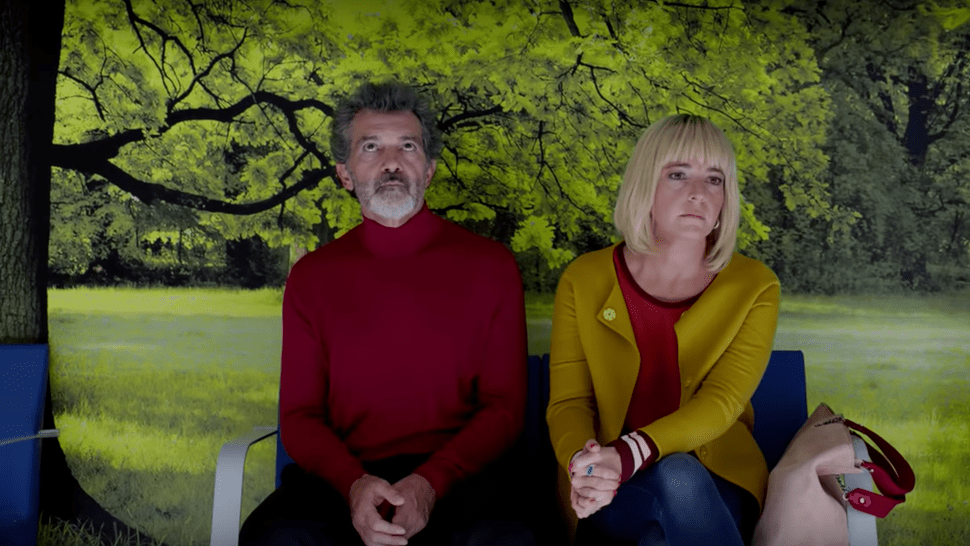
Pedro Almodóvar directs Antonio Banderas, Asier Etxeandia and Penélope Cruz in this semi-autobiographical drama where a reclusive director opens up old friendships, addictions and memories.

I’m not Almodóvar’s biggest fan. The high camp of his most lauded works irritates me and it usually is the films of his that wander away from his unique brand of screeching, lurid melodrama that I prefer. I’m happy knowing that his house style isn’t for me, but respect his four decades strong oeuvre. To make works so idiosyncratic and personal with such regularity and consistency demands respect. This slightly more staid, seemingly directionless drama did more for me. I liked the various soapy strands and felt Banderas gives a career best performance. Pain and Glory moves a lot slower than you standard Almodóvar release, but I accessed the romance and transgressiveness of it easier than some of his more bludgeoning tour de farces.

7

Night of the Demon (1957)

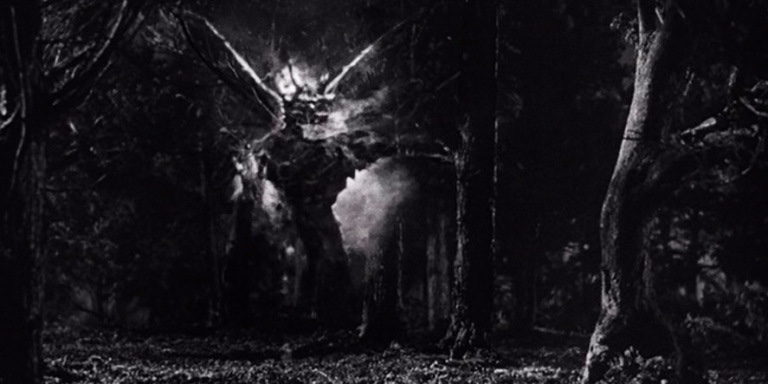
Jacques Tourneur directs Dana Andrews, Peggy Cummins and Niall MacGinnis in this supernatural curse movie where a sorcerer who lives with his Mum puts a murderous hex on all who doubt his powers.

A really unique British genre film in that it has scenes and sequences that feel completely original and unrepeated in cinematic horror. The sceptics at the seance, a children’s party that exposes the villian’s psychological core, and that train track final reveal are all glorious swathes of celluloid grotesque. MacGinnis and Athene Seyler, as the warlock and his sweet old ma respectively, put in great camp performances. The less said about the vanilla protagonists the better though. A monochrome treat.

7

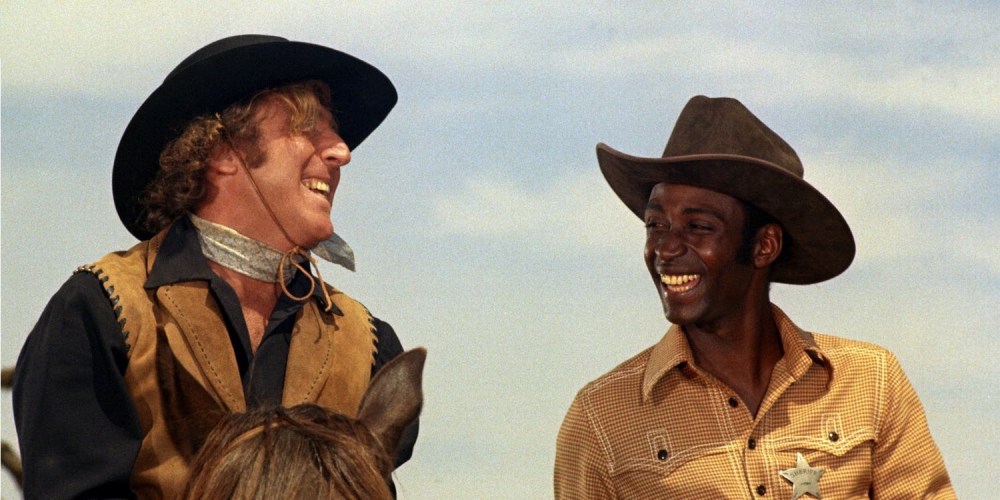
Blazing Saddles (1974)

Mel Brooks directs Cleavon Little, Gene Wilder and Madeline Kahn in the spoof western about a black sheriff taking on the railroads.

One of those classics I’m going to get in trouble for feeling a bit “meh” about. The support is spirited, I’ve always got time for Gene Wilder – one of my comedy heroes. Maybe his presence means I crave Richard Pryor in the lead. Cleavon Little seems a little stiff. Sad truth is that most of the skits don’t make me personally laugh… which surely is the only true measuring stick for a comedy.

5

I’m a Cyborg But That’s OK (2006)

Park Chan-wook directs Im Soo-jung, Rain and Kim Byeong-ok in this surreal romcom where two asylum patients fall in love, one of whom believes herself to be a killer cyborg.

A change of pace for the Oldboy auteur shifting between sweet, colourful and utterly baffling. A bit too random to hold my attention, it does have some wonderfully composed images.

5

Django Unchained (2012)

Quentin Tarantino directs Jamie Foxx, Christoph Waltz and Leonardo DiCaprio in this western where a slave is freed and teams up with a bounty hunter to win back his beloved from a plantation.

Probably Tarantino’s funniest film and truest genre experience. Six shooters, horses, hats. Period accurate but in a vaudeville, seventies exploitation perspective of what is true and what has happened and what fantasy we want. There are three brilliant performances here. Waltz is superlative as the white saviour… the polar opposite of his Hans Landa in morals but exactly on point in verbosity and calm under pressure. DiCaprio plays stupendously against type as the villainous Calvin Candie -a dolt who feels justifiably superior in his wanton cruelty. And Samuel L Jackson is damn near magical as The Big House overseer Stephen. His momentary shifts between playacting, conniving, assessing and controlling is a comic performance par excellence. He should have been nominated for Best Supporting Actor, should have won that Oscar. Which brings us to Django’s one flaw… Foxx’s lead is a bit too blank. He feels perceptibly like an absence of cool whenever the focus is on him. Once two of those lower billed, yet stellar, players bite the dust the film still has a reel left in it. The ensuing violence is gloopy fun, but the scenes have none of the verbal vim that the better actors bring to the first two hours. It is a small hurdle that trips Django Unchained up from reaching perfection.

9

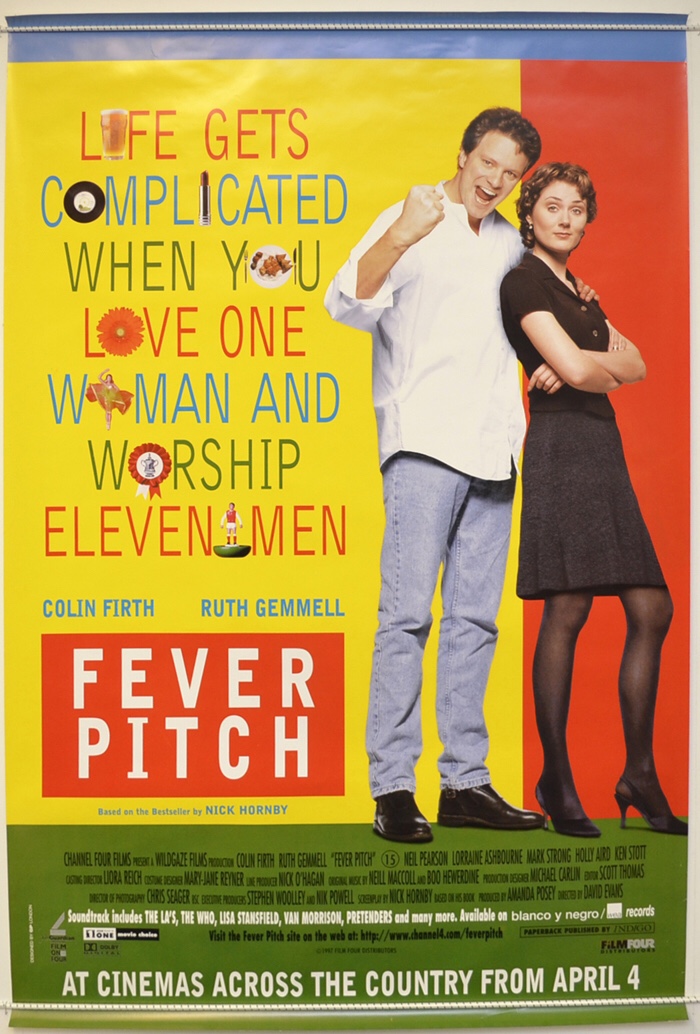
Fever Pitch (1997)

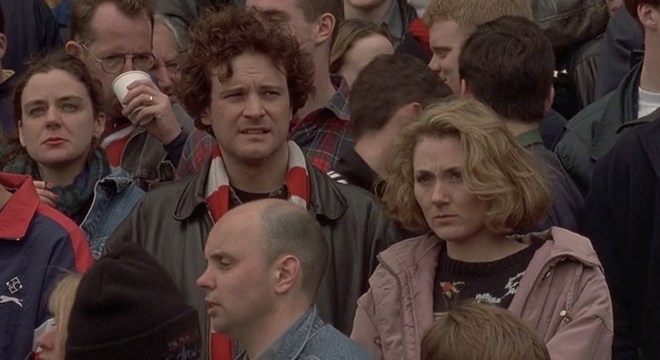
David Evans directs Colin Firth, Ruth Gemmell and Mark Strong in this romantic comedy where a career orientated teacher falls for a loutish football fan who can’t commit to her over his Saturday fixtures.

Something of a forgotten gem among the Brit-Rom-Com period of the late 90s, this to me is the best of the cycle. I was never really into football as a kid. My Dad, uncles and cousins brought me along to all the QPR home matches but I very rarely got caught up in the games. I’d spend the 90 minutes distracted by the programme, the occasional Roy of the Rovers comic they gave out or resting my forehead against the icy cold handrail of the concrete terrace. Football was unavoidable as a kid in the UK, you were defined by your ability on the playground, your team and your Panini sticker collection. I only really excelled at the latter two… QPR were going through a rare First Division golden patch -the Guinness sponsorship made the strip look extra cool- and I liked collecting stickers (though preferred the movie and TV based ones – my Thundercats collection rocked).

Based on Nick Hornby’s memoirs, Fever Pitch often gets being a football fanatic in that era bang to rights though. The crush of match days, the squeezing through the turnstiles, the chanting on the harsh grey unseated stands. I guess the tribal sense of belonging, the testosterone laddishness is more seductively captured here on film than the reality. The movie’s rose tinted view of the early nineties on the terraces takes in Hillsborough with sensitivities but avoids the unwavering paranoia I felt as a child that it could all kick off at any moment. The unease felt over constant presence of riot gear and police horses on Loftus Road, the dread over pubs you shouldn’t walk past on match days are primal emotions still embedded in me from those Saturdays in White City. Although it was a world I never fully embraced, it was one I was in a few weekends a month until I grew into the things that defined me… music, films, girls. These are Hornby’s other touchstones, explored more thoroughly in High Fidelity. A favourite of mine in my twenties, book and film. Yet I still have a soft spot for Fever Pitch. Maybe because its underlying message is footie is something you should grow out of if you want to succeed with the fairer sex.
The gender politics of the film aren’t perfect. Hornby avatar Paul is stereotypically immature and insensitive. A man child. He hasn’t grown out of the sense of belonging match days with his absent Dad (Neil Pearson -standing out in a small but well sketched role) gave him. He likes the comforting regularity of the football year. The predictable annual cycle of matches that means he won’t be abandoned by Arsenal. If he wasn’t such a good teacher and played by Mr Darcy himself you’d struggle to see why we as an audience would root for him to grow up and get his act together. Firth brings a natural charm to him, even in Paul’s more petulant moments, and he actually reminds me of a few of my leather jacketed, shaggy haired A-Level teachers. Men who probably always saw working in a college as a means to supporting their hobbies rather than a vocation but connected with the pupils better than the career teachers. Fag break legends.

Ruth Gemmell has a harder schlep. Her Sarah can be a bit of a demanding shrew as written. It is difficult to figure out what she sees in Paul apart from proximity. She wants to change him for the better. But surely there are less demanding renovations? Luckily Gemmell is sexy and believable in her performance. She convinces there is some glimmer of hope in the mismatched pairing. You want them to work for her sake. She’s worked consistently since 1997 but this is probably the role of her that resonated most with the general public. She’s helped by a banging soundtrack of earlier 90s hits that sweep us along the rougher patches in their relationship and gives the street party finale a real sense of celebratory magic. You’ll leave Fever Pitch with a big smile on your face, surprised they’ve pulled such an unlikely, slightly dated will-they-won’t-they dynamic off. Goal!

8