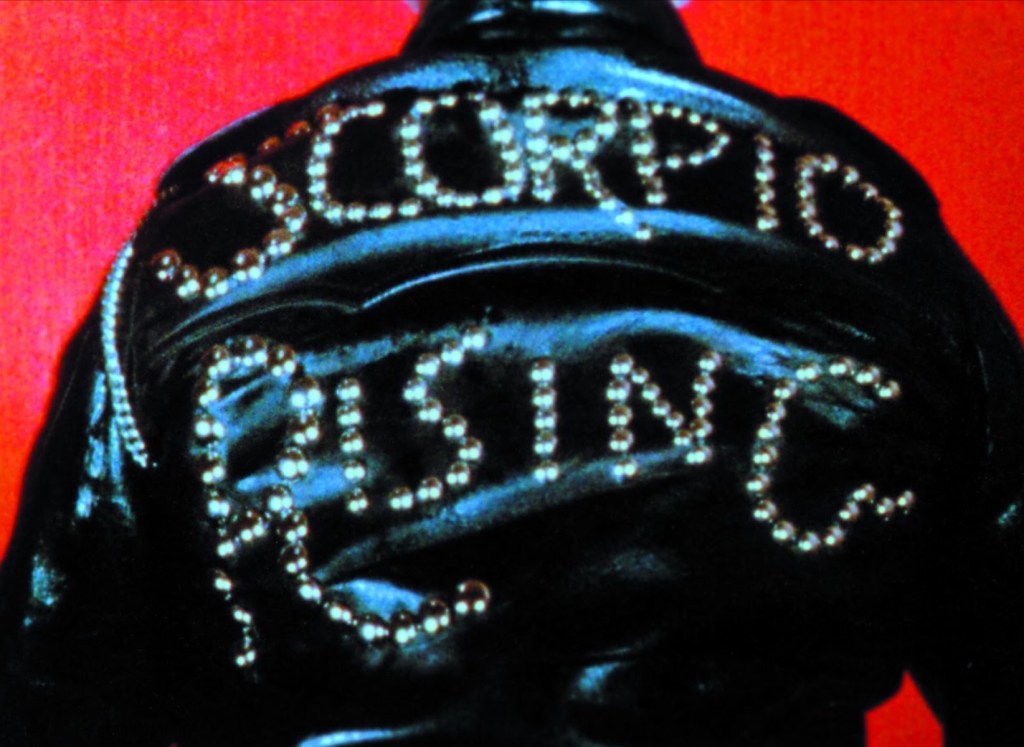
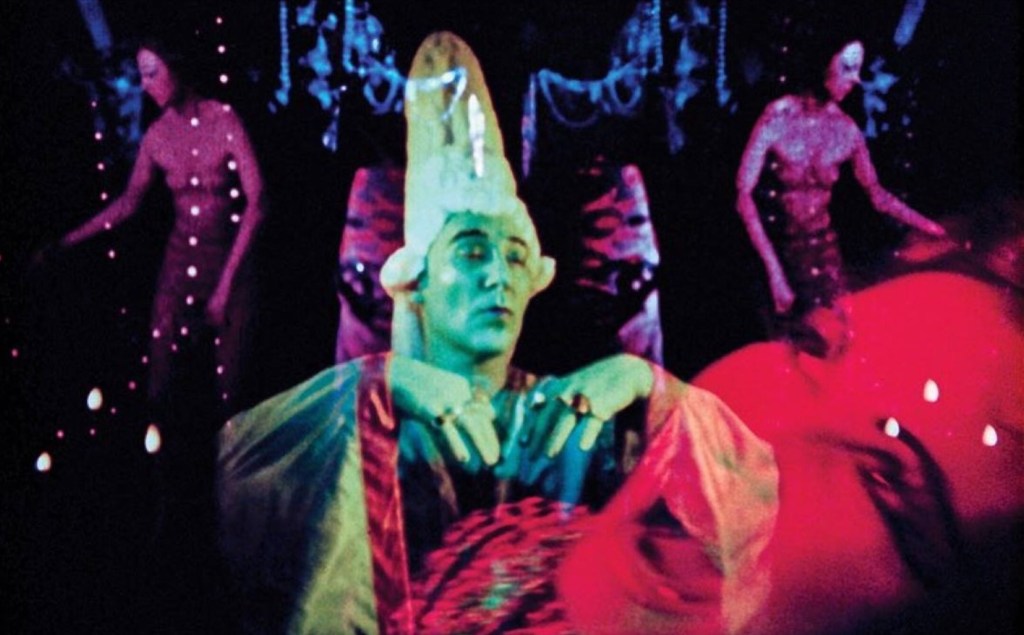
Fireworks 7 / Puce Moment 5 / Eaux D’Artifice 6 / Inaugaration of the Pleasure Dome 7 / Scorpio Rising 6
Flies are unzipped and fireworks flop out. Sailors duff you up. Dresses shimmer in a Busby Berkley chorus number. Water ejaculates over an ornate garden. Freaky satanic loops excised out from a Powell & Pressberger fantasy. Biker prep. Mustard arse. James Dean is Jesus is Hitler. Let it wash over you, don’t think on it too hard. Unmatched in the soundtrack selections. Very transgressive but kinda scuzzy cute.
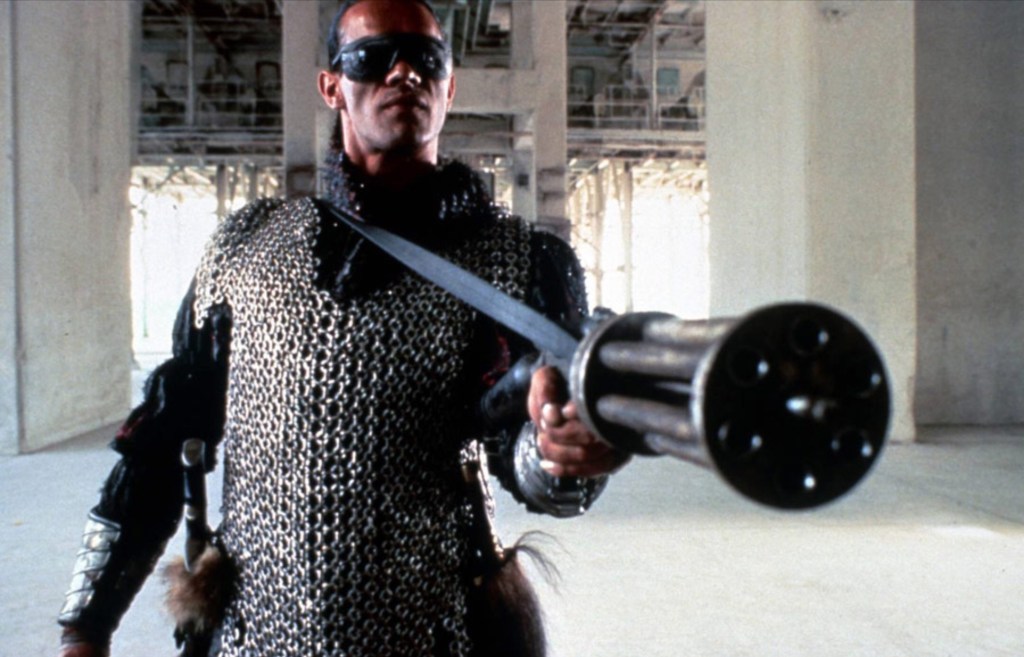
Albert Pyun directs Jean-Claude van Damme, Vincent Klyn and Deborah Richter in this low budget sci-fi where a man takes on a band of post-apocalyptic thugs who have kidnapped a cyborg with vital information in her head.
I never thought I’d type these words – too nasty, too bleak, too violent. Just grim. Cheaply filmed across scrubland and abandoned buildings, the script and props were repurposed from the Masters Of the Universe sequel Cannon couldn’t afford to make. It is 50% incoherent flashbacks, 50% running and kicking to no objective, and a whole lot of grunting. So much grunting.
Hirokazu Kore-eda directs Masaharu Fukuyama, Lily Franky and Machiko Ono in this Japanese drama where two families learn that their sons were swapped as newborns in the hospital and thus need to decide whether to re-swap their children back before they grow oldenough to comprehend.
Gentle drama full of spacious room for rather touching character work from all involved. The ultimate message is pretty predictable but it’s hard not to spiral off into all the considerations and emotions the dilemma creates. Will leave you hungry for Japanese food.
A firm family favourite in my London Irish house as a child, third only to The Quiet Man and Into The West. Haven’t watched it as an adult and, accents aside, it held up tremendously well. Strong, patient romance. Kidman leans into Katharine Hepburn in her fish-out-of-water role. Tom’s full of boyish sparkle and sincere determination. They have their best on screen chemistry here. The bursts of action are pretty rousing; pistol duels, brutal bare knuckle boxing and the big Land Race finale. It has beauty, it has sweep. DP Mikael Salomon’s shoot the shit out of his locations. Like Titanic, it is overly simple yet it makes my heart sing. Like The Quiet Man, in that it makes me yearn for a fictional, mythic homeland when I’ve only spent less than a month of my life treading the soil of the real island. Go on, stake your claim.
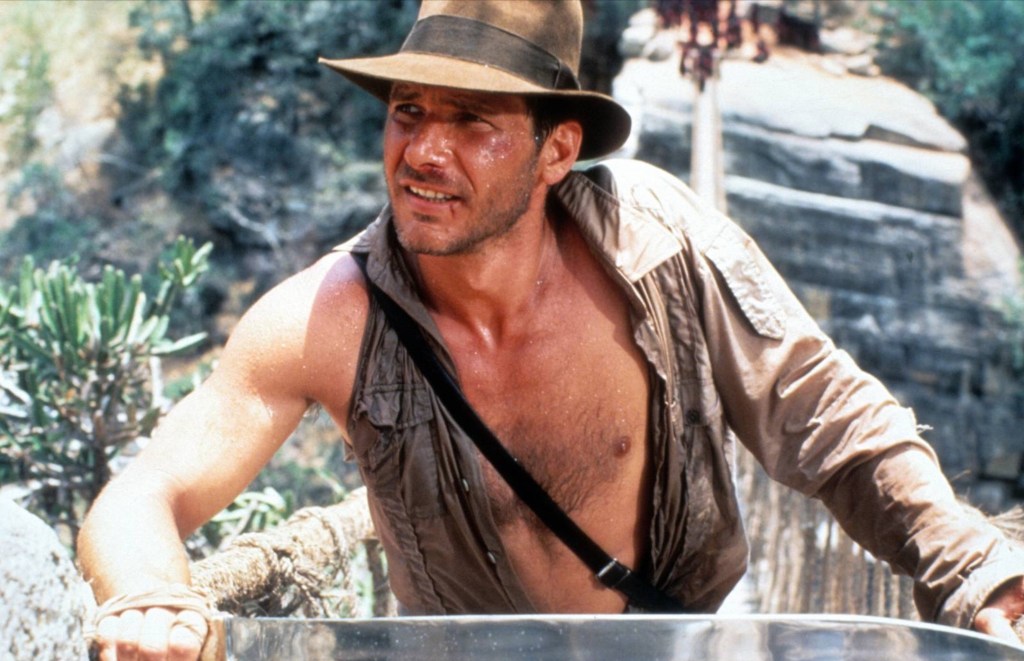
I go pretty in-depth on Star Wars, Indy and Blade Runner here, here and here. These iconic roles in seemingly unkillable franchises would dominate any Harrison Ford Top 10. Leaving room pretty much only for Witness and The Fugitive in your personal rankings. Yet the gruffly handsome All American has a rich and varied career. Sure, like other childhood faves Arnie, Eddie and Costner, the shine started to erode from his box office assuredness and ability to pick a hit around the late 90s. But he kept churning them out… and if anyone can see the irony of brands trumping star power out there in the general public tastes, it should be the man who broke more IPs than any. In the 21st century, he is more infamous for his terse attitude towards his back catalogue, his family Halloween outfits and telling Sasha Baron-Cohen’s Bruno to “FUCK OFF” with that trademark Jack Ryan point of the finger. He has starred in more out-and-out entertainments than anyone in my lifetime, always adding class and a world weary dignity to even the ropiest studio projects. Here are some outliers from his enviable Hollywood career.
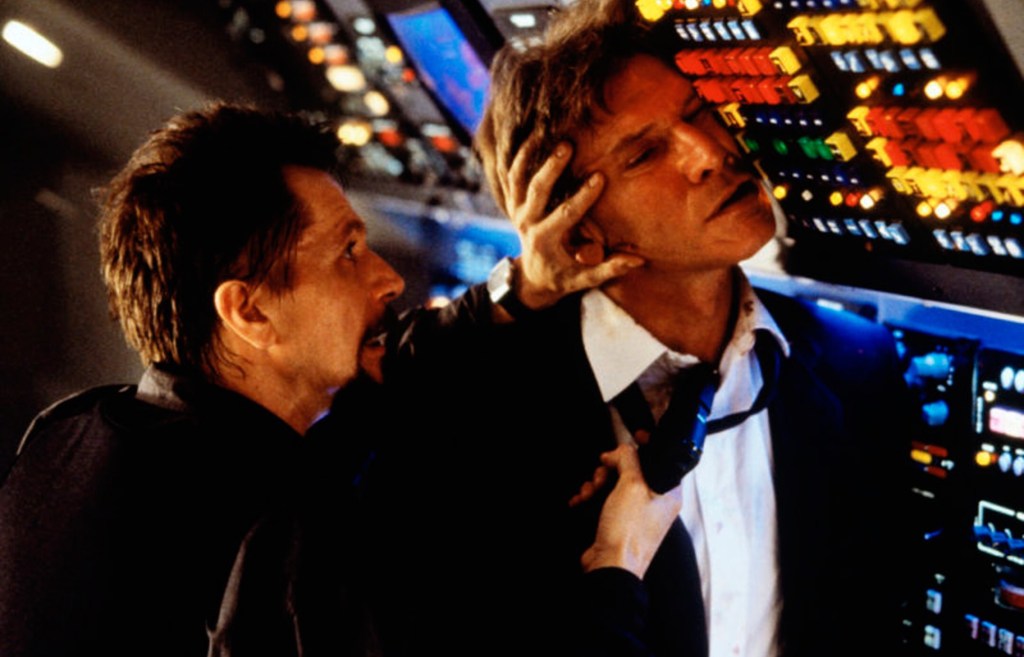
Air Force One (1997)
Wolfgang Petersen directs Harrison Ford, Gary Oldman and Wendy Crewson in this action thriller where the President’s plane is hijacked and he has to go all Die Hard on the terrorists.
Summer of ‘97, this was the big one. A multiplex splash that had full houses the world over whooping and hollering. “Get Off My Plane!” Popcorn everywhere. Ford as the President who kicks Russian separatists butt (oh…). Take my money. 25 years later and it diminishes with every revisit. The High Concept is pretty much the whole deal. Oldman’s baddie is, of course, delightfully hammy but you can see that done better throughout his Nineties filmography. It is also as an action flick so stodgy and fixed. As much a boardroom thriller as a bullet fuelled game of cat and mouse. The First Executive rather than a White House Die Hard. The sneaking around baggage areas and conference calls aren’t exactly a bus ploughing through LA at top Speed. It can all feel a little po-faced and lacking self awareness. The gun toting patriotism of a 24 episodic double bill mired with the walking and talking of a lacklustre West Wing spin-off. All perfectly fine. But hard to see now what that fuss was about? The blocky CGI stinks. Ford notes: he’d make a great figurehead prez and it is nice to see how his wives are always cast age appropriate in this kinda fare.
6
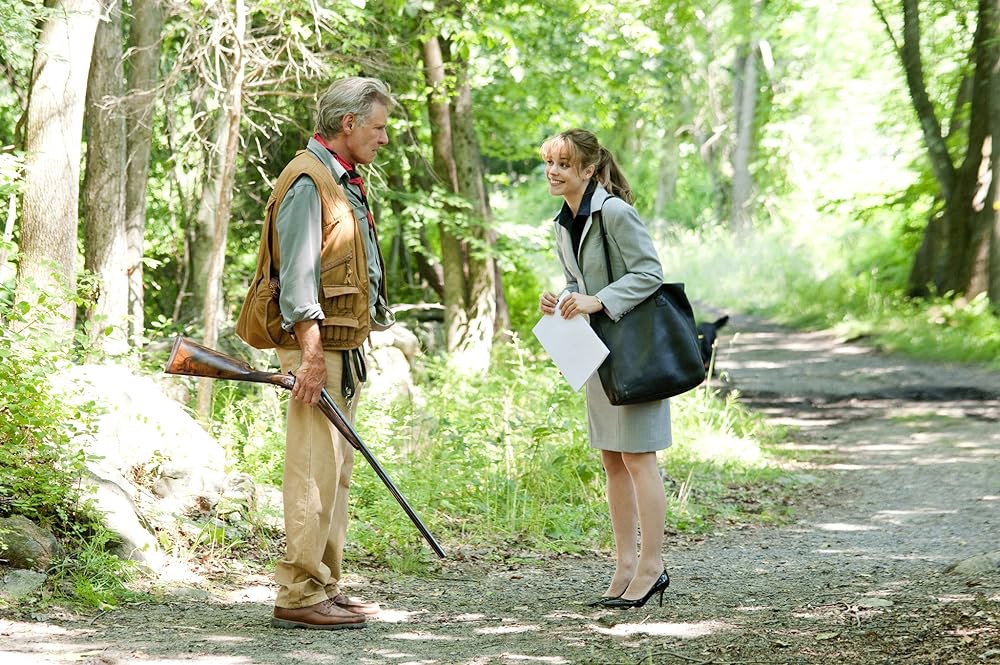
Morning Glory(2010)
Roger Michell directs Rachel McAdams, Harrison Ford and Diane Keaton in this comedy drama where a struggling young producer takes over a glossy but failing morning news show.
A sweet enough Devil Wears Prada rip-off that showcases McAdams well. Ford plays a principled but ornery serious journalist who McAdams has to soften and hand hold into his new unwanted role as anchor of a magazine show. And he’s really quite wonderful in the part. The mandatory romcom aspects feel secondary, and a distant second, to the fading star and the hungry go-getter’s love/hate professional thawing. It is very easy to read this as Ford playing a heightened version of himself… the former big deal having to slowly realign his talents to dumbed down products that want to capitalise on his mature standing but fail to exploit those strengths with any understanding.
6
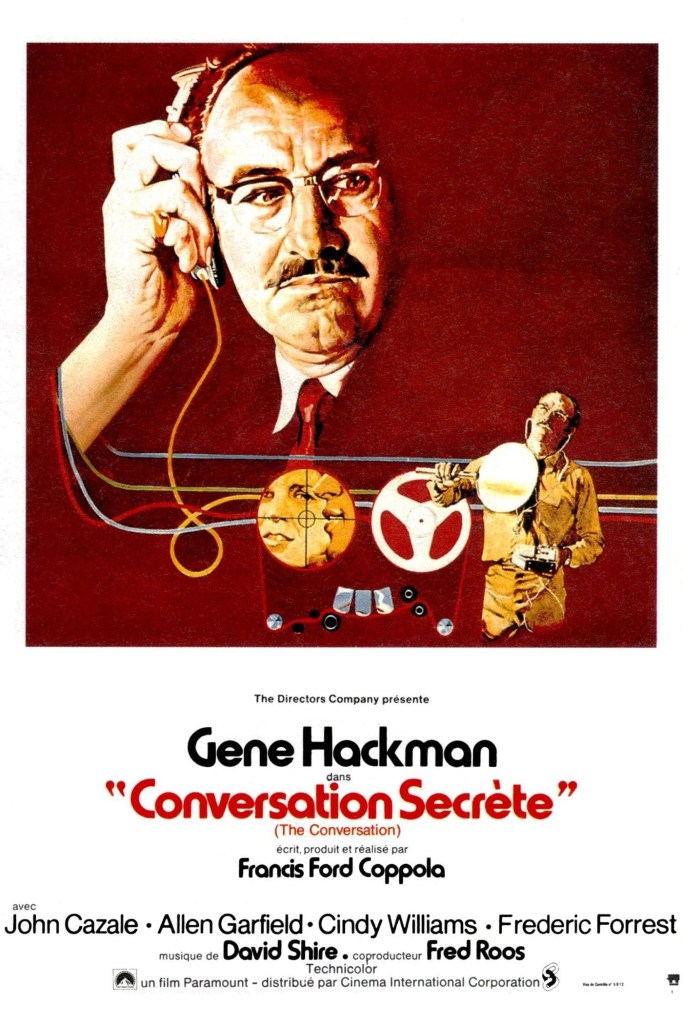
The Conversation (1974)
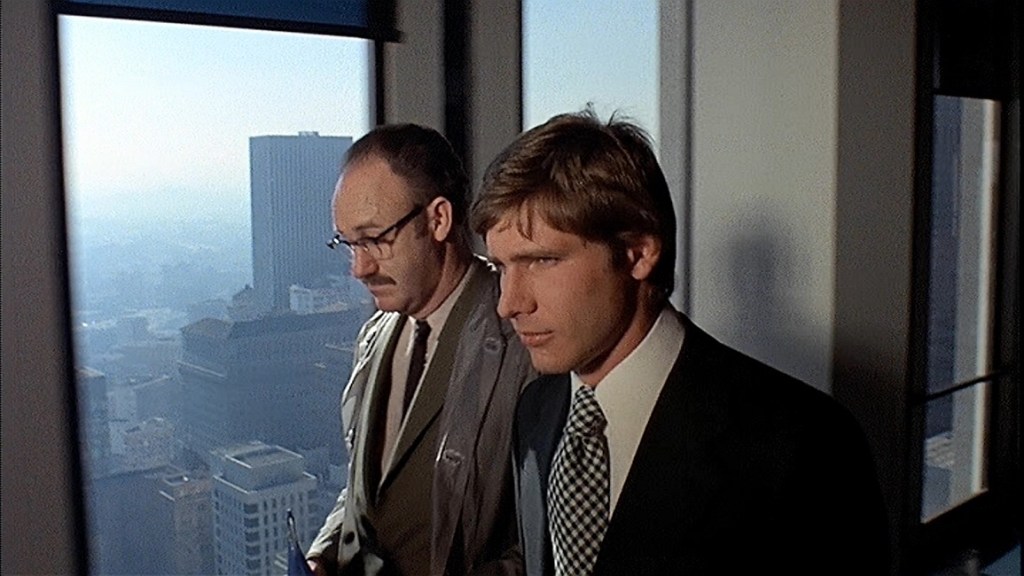
Francis Ford Coppola directs Gene Hackman, Frederic Forrest and Harrison Ford in this sparse thriller where a surveillance expert for hire records a private conversation with deadly import.
Dry as a bone. Essentially a character study with paranoia melted over every surface of the drama. The opening set piece of trying to capture the conversation on hidden tape recorders, sniper targeted radio mics and a surveillance van is sequence of genuine thrall and education. Then later we have the oily conference and its depressing after party. The putting together of three recordings into a viable document pretty much recreates Coppola and Walter Murch’s painstakingly methodical process. But as often as it gripping and revealing as a mystery, The Conversation really is just putting a sad, lonely, broken man through a microscopic interrogation. And he is so obstinately private that this is torture. The passion of the snoop.
Hackman’s Harry Caul turns 44 the day we meet him. Exactly the same age as me watching this for the fifth or so time. The usually masculine, twinkling character actor who became a sure thing lead in the late 20th century here downplays all his bullish charisma and becomes a background man. His raincoat is weakly transparent, his voice a whisper, even the business circles he is an infamous star within don’t recognise him on first meetings. He is a man full of guilt, a man who wouldn’t know what a decisive action is, he has closed himself off from the world and his ultimate realisation of his role within that world leaves him with nowhere to hide. A baby sucking on a brass dummy. The cast is uniformly fantastic. Teri Garr’s sad girl in waiting, Cazale’s sad protege and Allen Garfield’s sad, jealous and destructively competitive competitor. Ford is low down in the credits but has, to my mind, the third biggest role. The slightly camp, preppy assistant to a very powerful man. It is a proper acting turn with a few small but telling choices. Interesting to note that Ford, once he became the biggest name in the movie stratosphere, adopted a persona much similar to Hackman’s default settings in big budget entertainments. Confident, somewhat grumpy and smartly invincible. Neither of them play into that powerful type here.
The Conversation is a juicy film to unpack. You can read many different meanings into Coppola’s deep well of soulful bleakness. This watch, on seeing that birthday card with my own age on it, I walked away noticing something new. This is a story about the old guard realising their day is over and the next generation is grabbing power or moving on from their value system. The ultimate conspiracy sees the fresh faced “victims” of the plot pulling the rug out from everyone. Caul loses his two most meaningful relationships as he won’t let his protege or younger lover in. He is too stuck in his ways, too beaten by the world to allow either of the people who truly care from into his life fully. That’s understandable but the young need to make their own mistakes and the old need to listen more closely to the conversation if they want to understand what’s coming next. New Hollywood to corporate takeovers. The Conversation is a movie documenting an insidious but needed generational shift.
10
*42(2013)
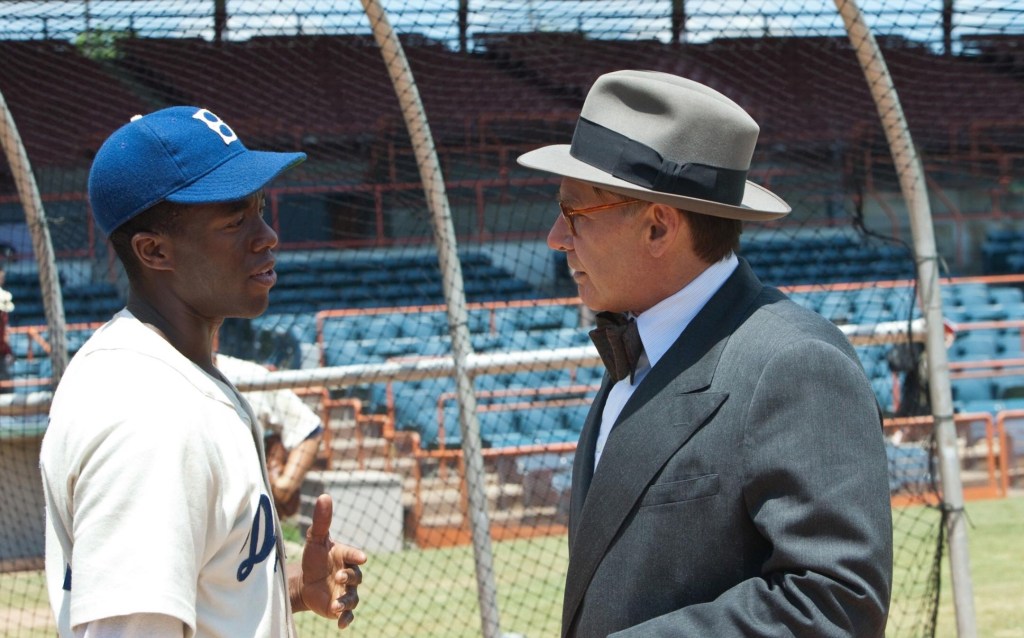
Brian Helgeland directs Chadwick Boseman, Harrison Ford and Alan Tudyk in the sports biography of Jackie Robinson’s difficult but revolutionary first year breaking into the all white major baseball league.
Surprised how hard and heavy the scenes of overt racism are here. Feels like it pulls no punches for such a glossy crowd pleaser. Boseman is solid, Ford plays against type and tries an accent. A decent one-watcher.
6
K-19: The Widowmaker (2002)
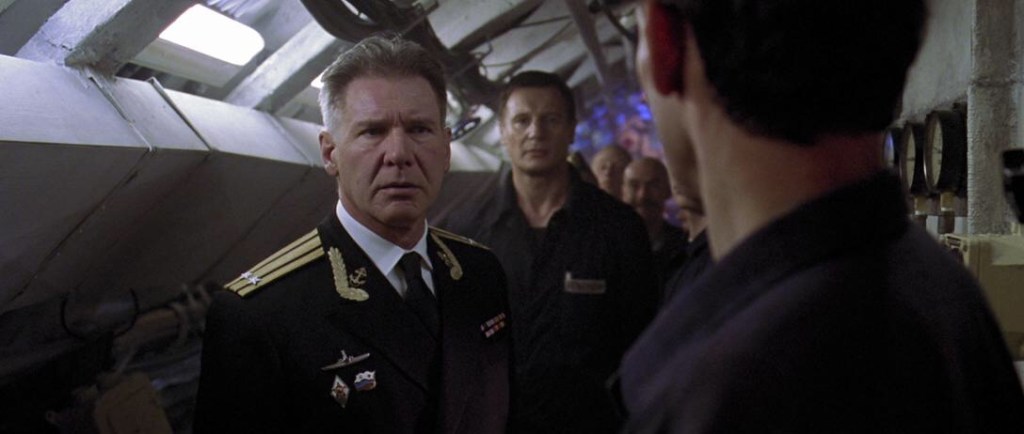
Kathryn Bigelow directs Harrison Ford, Liam Neeson and Peter Sarsgaardd in this Cold War nuclear submarine thriller based on the true story of a Soviet crew who had to stop their reactor from going thermonuclear at sea with minimal resources.
A grim tragedy from the history books is recreated with little of the director’s trademark flair for immersive action. The catalogue of errors over the first half can feel almost comical. Every scene brings a new bureaucratic or human fuck up. There’s no downtime from impending calamity. It can to often feel like a post-mortem enquiry or a spoof Health & Safety video. Ford and Neeson mostly bicker rather than get to do anything particularly heroic. Noteworthy only now as it marked the start of Bigelow’s cinematic fascination with recent history. Far better movies within this mode were to come from her.
5
Random Hearts (1999)
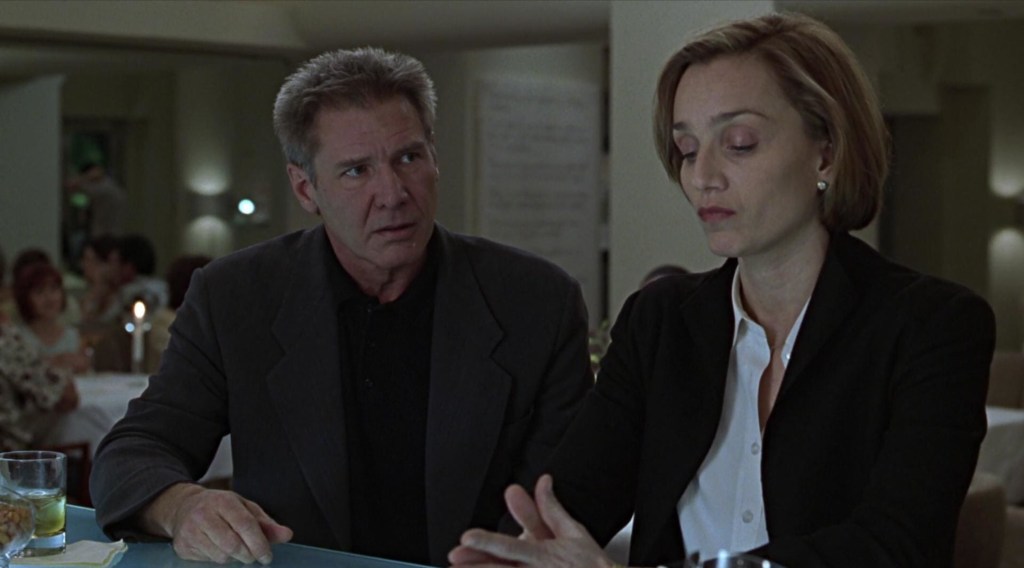
Sydney Pollack directs Harrison Ford, Kristin Scott Thomas and himself in this romantic drama where two people discover in their grief that their respective dead spouses were cheating with each other.
Strange one this. Features Ford’s most committed acting turn but he plays an ugly character in spite of himself. A cuckolded Internal Affairs cop whose obsessive grief poisons his chance at new happiness and leads him to extremes of stalking. Complex but often unattractive, I’m not sure that’s what anyone was aiming for. This is a cold, cynical anti- romance. Well made but ponderous. Kristin Scott Thomas is luminous as the widowed congressional candidate thrown together with this dogged disruptor. She looks fantastic but I’m not sure her character’s political subplot has the same care as Ford’s dirty cop case. Random Hearts is a more mature, digestible take on the themes of Eyes Wide Shut. Just as frosty, just as snail paced though. Kubrick gave us glacial camp, this somehow makes Miami look drab. Both films share Pollack. I will say the finished product does have “something” about it, I can definitely see me trying it again another twenty years down the line. I can also imagine an alternative reality where this was one of the biggest releases of its year. Oscars, sleeper box office, the works. It’s airport novel shape and deep, deep quality cast just feel like it needs to catch you in the right mood. Maybe 64 years old will be “the right mood”?
Pedro Almodóvar directs Antonio Banderas, Elena Anaya and Marisa Paredes in this loopy Spanish erotic sci-fi revenge flick.
Grew in my estimation on a second watch. Has the unpredictable near formless shape of one of Pedro’s melodramas or farces. For example, the first major plot catalyst is a long lost son dressed as a tiger getting violently horny. Yet despite The Skin I Live In’s erratic looseness and almost deadpan sexual brutality it somehow stays seductive and compelling. Each unlikely piece of the puzzle slots into the next and the bigger picture is both nightmarish and erotic. The themes feel at least 5 years ahead of their time; gender, sex crimes, anxiety, controlling men. Both Banderas and Elena Anaya are gorgeous and marvellous. A relatively complex sick puppy masquerading as art, one hell of a smooth yet spiky ride. Works best if you know nothing at all so I’ve tried my best to only write in vague yet effusive generalities.
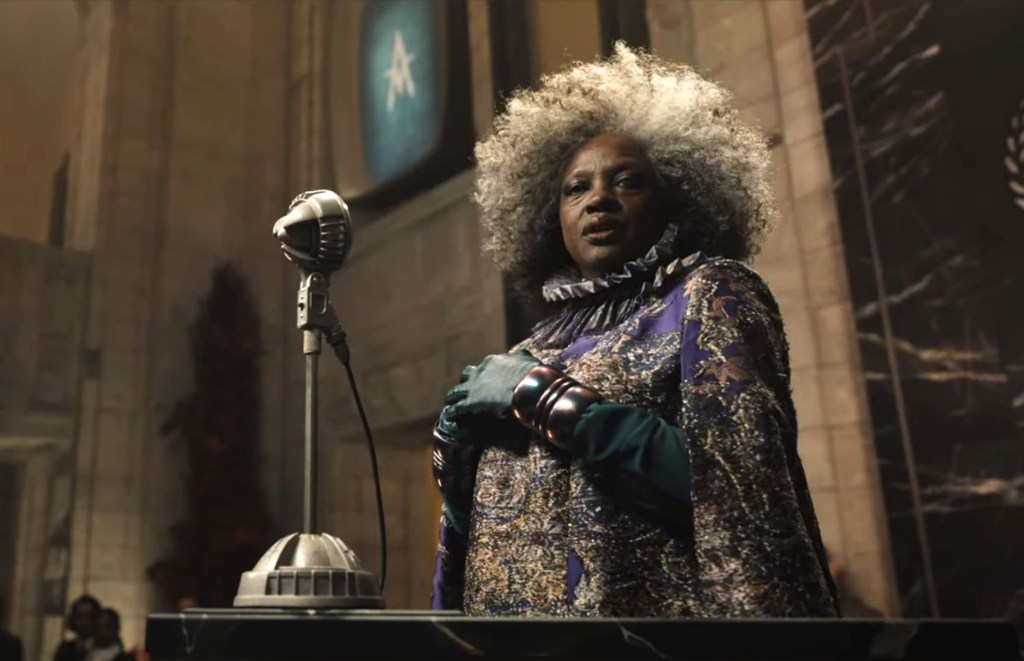
Francis Lawrence directs Tom Blyth, Rachel Zegler and Viola Davis in this prequel to the YA sci-fi dystopian series.
The two finest adaptations of the YA boom a decade ago were The Fault In Our Stars and The Hunger Games. Both flicks benefited from breakout star turns from their female leads. And while Jennifer Lawrence absolutely carried her series of rather dour PG-13 millennial updates of Punishment Park / Battle Royale, it is probably fair to say the endeavour was hamstrung by a love triangle where she had the thankless choice between two wet male leads not worthy of her. No such problems here, as the central relationship between Blyth (impressive) and Zegler (cute) has a complexity and a risk that J-Law might kill a dozen kids for. The first two acts of this are a high for the franchise. It just feels all the more urgent, grounded and vicious than the core hit films. Now the last act probably should have been saved for its own sequel but the fact that this left me wanting more rather than less is a massive about face for this particular IP. Peter Dinklage and Jason Schwartzman are good value in support but Viola Davis really runs with her out-and-out demented villain. This is probably the loopiest turn in a big studio reboot since Nicholas Hoult in Fury Road. What I’m saying is there is a lot of quality here, well utilised. The final stretch is pleasingly ambiguous if a little rushed. How often do you see that in the multiplex? No complaints here. Enjoy the arena, stay for the songs.
Justine Triet directs Sandra Hüller, Swann Arlaud and Milo Machado-Graner in this European courtroom thriller where a wife is suspected of her husband’s death.
Best courtroom thriller in ages. Dry as bones. Could easily be called Anatomy of a Marriage. Or Anatomy of a Woman. So much unresolved by the end, the verdict means nothing. A real Rorschach Test of a movie. Is she guilty? Murder, accident or suicide? Do they love each other? Do THEY love each other? Is that the cause? Is he in the right? Is she in the right? Hold on… did HE do it? Every scene has something open to interpretation? Are we ever being honest in our fiction, in our fights, in our own moments of private reflection? Powerhouse by Hüller, always awesome value. Some fascinating points about living in different languages. So many compromises in every facet of a life if you want to have relationships. And the third act is a bit bonkers. But maybe there is no sane way to resolve all this.
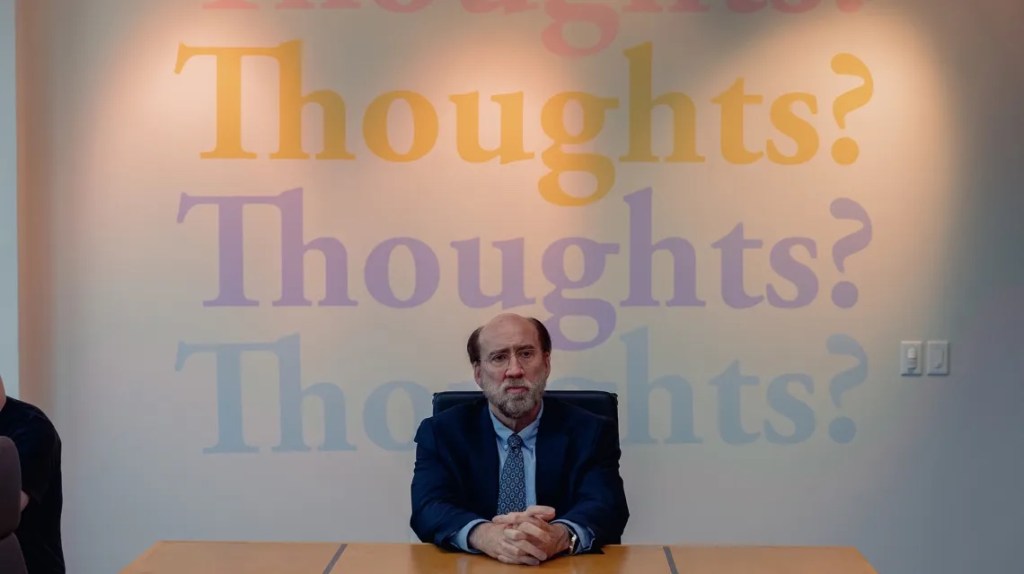
Kristoffer Borgli directs Nicolas Cage, Julianne Nicholson and Michael Cera in this surreal satire where a depressed college professor begins showing up in many strangers’ dreams.
Ineffectual. Unproductive. Inert. A wonderful use of Cage the actor with strong Adaptation / The Weather Man vibes. It spends the second half exploring modern infamy and cancel culture. Once you realise where Borgli wants to go after such a fertile set-up, Dream Scenario can feel a little too pedestrian and rigid, even already a little dated. There is a telling running joke where the weakness in Cage and Nicholson’s marriage is betrayed by neither of them being able to talk about their day without lying. I like the eerie dream sequences, Cage puts in a full shift… I guess I just wanted this to go in a more potent direction. The final shot is a winner.
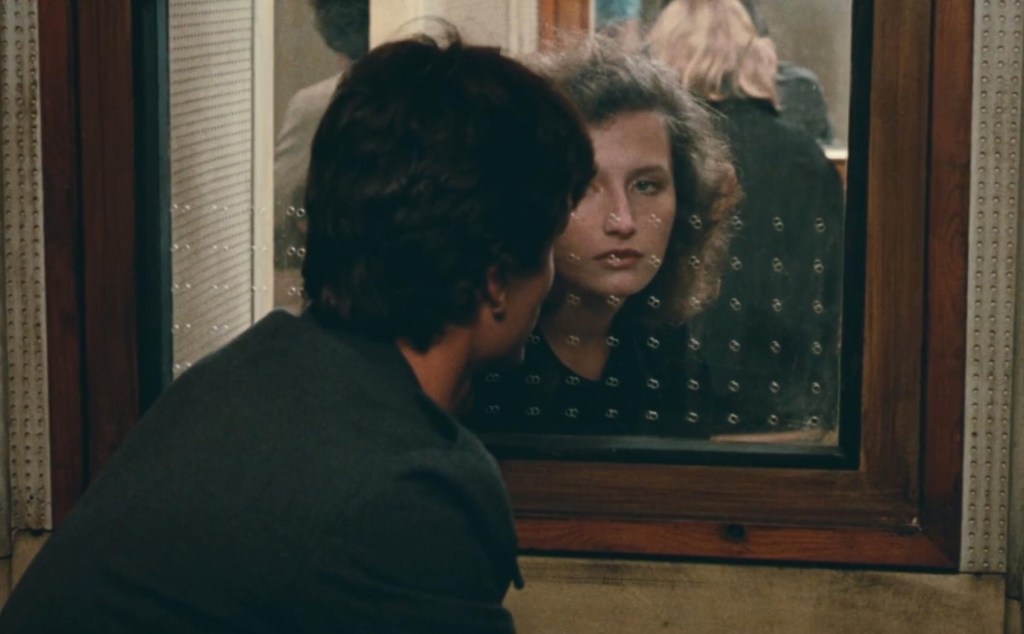
Robert Bresson directs Christian Patey, Vincent Risterucci and Caroline Lang in this crime drama loosely inspired by the first part of Leo Tolstoy’s posthumously published 1911 novella The Forged Coupon.
A forged bank note starts a series of petty crimes and moral compromises. First act of this (a domino rally of minor larceny) is very strong. Eventually it reaches for greater significance about wealth and corruption and becomes obtuse and preachy. Non-professional actors.





 Bobby Carroll's Movie Diary