Edward Scissorhands (1990)

Tim Burton directs Johnny Depp, Winona Ryder and Diane Wiest in this romantic fantasy about a man built by an inventor who died before completing his creation, leaving the innocent with scissors for hands.

I’m surprised, looking back over this blog, that I haven’t watched more Tim Burton over last few years. He was a beloved favourite of my youth. Have I outgrown the stripy, slashy cartoon gothic fantasies of his heyday? Or has his tumbling decline into soulless, off key blockbuster territory tainted even his early masterworks? I don’t know. If you told the teenage me there would be a week, let a lone half a decade where, I didn’t eagerly revisit his best stuff… well that kid just wouldn’t believe you. I happened to watch this on TV in a hotel on holiday. The DVD I own of it has lived in its cellophane wrapper untouched for longer than I can remember. And I adored Edward Scissorhands as a kid.
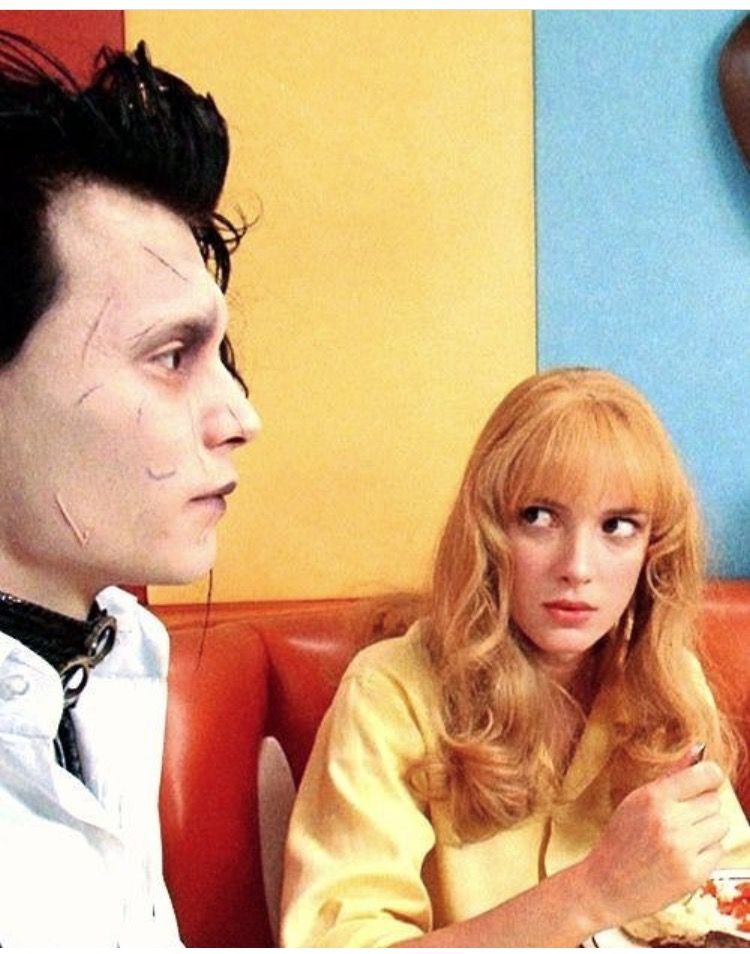
The tale of a horrific looking outsider who is embraced by suburbia for his otherness. They celebrate his artistic talent… he chops big hair, scruffy dogs and unkempt bushes into sculptures and pop art. The bored housewives are drawn to this silent, blank other… something different to gossip about, mother and be attracted to. And then they turn on him… as much out of the conformity and ennui that drew them to him in the first place. Leaving this quiet, confused, gentle being to be chased and hounded like Frankenstein’s monster.

Is Frankenstein the key inspiration for Burton’s smallest but most affecting warped bedtime story? Or is it Pinocchio? A fake child looking for love and humanity and authenticity in a world where such things are in short supply, almost hypocritically. Vincent Price’s Inventor is more Gepetto than Victor Von. Caring, nurturing, fascinated by his creation. A brilliant swan song by the delightfully hammy horror actor – gifting us a child who looks like a horror beast but clearly walks through the world like an angel. I’m sure Stan Winston and Burton enjoyed bringing to life a cinematic freak who pointedly wasn’t a violent tormentor like their previous icons of design.

Everything about the production is just lovely. Danny Elfman’s wondrous, soaring lullaby of a score. Bo Welch’s candy coloured suburban bungalows – a maze of false innocuous traps for our razor clawed innocent to navigate. Diane Wiest’s good soul Avon lady – part 50s sitcom mom, part fairy godmother. Winona Ryder’s Kim Boggs, a simple but gorgeous love interest. A clear subversion of her gothier, cool star image. Here she is the cheerleader, the clean cut kid, the Disney princess. If the film has one slight bloody knick to its near immaculate composure, it is that it waits just a little too long to bring Edward and Kim together. The consumption of the attraction feels rushed and unfulfilling, overwhelmed by the bigger plot developments as a lynch mob forms and Edward escapes the neighbourhood.

And we get Depp’s first significant lead role. The stillness, confusion and yearning of Edward is sold to us in a few closed off, rickety movements and some rare but sweetly muttered line deliveries. It is a less-is-more central turn. Though Depp proves remarkably good at softsold physical comedy – moments with a waterbed, a whisky nightcap and a sexual awakening owe more to Buster Keaton, Harold Lloyd or Stan Laurel than his emo rock star image. His work with Burton gave Depp a safe space to figure out his strengths away from being a pretty boy pin-up. Depp has always struggled playing everymen, action heroes and romantic leads but his dress up and act weird style eventually found a wide audience. I certainly don’t want to blame the brilliant Edward Scissorhands for how grating and over flipped that has long since become but here you see the pure shit before it went to cut.

9


Ghostbusters 2 (1989)

Ivan Reitman directs Bill Murray, Dan Aykroyd and Harold Ramis in this supernatural comedy sequel where a possessed painting of a medieval necromancer sets his sights on Dana Barrett’s baby son.

A lot of people look down their noses at this sequel for being cravenly, indefatigably more of the same. Like, c’mon, who didn’t want more Ghostbusters?! More of the comraderie and genuine banter. More of the spectral SFX that inventively convince. More of the unlikely heroics. This delivers it all in a neat, undemanding package. Sure, if you scratch at the surface it isn’t the smash victory of the original blockbuster. Sigourney Weaver does a lot of narrative propulsion, Bill Murray clearly wants more scenes where he is the sole focus thus splitting the gang into those who fight ghosts and those who schmooze about in their own unrelated bits… And do we ever find out how that pink slime got under New York in the first place? But these are quibbles when you get a funky, off the wall, utterly quotable night in with a cast you have pre-installed affection for. Plus the spooky bits look amazing, truly better than anything else produced in Hollywood horror before and after. I actually wanted to get the image above to be Janosz’s disturbing hallway walk. A throwaway moment of terror where a minor character’s eyes explode into uncanny beams of possessed light. If only all cash-ins could be this loyal and satisfying. “We’re the best… we’re the beautiful… we’re the only… GHOSTBUSTERS!”

8

Inferno (1980)

Dario Argento directs Irene Miracle, Leigh McCloskey and Eleonora Giorgi in this sorta sequel to Suspiria set in New York.

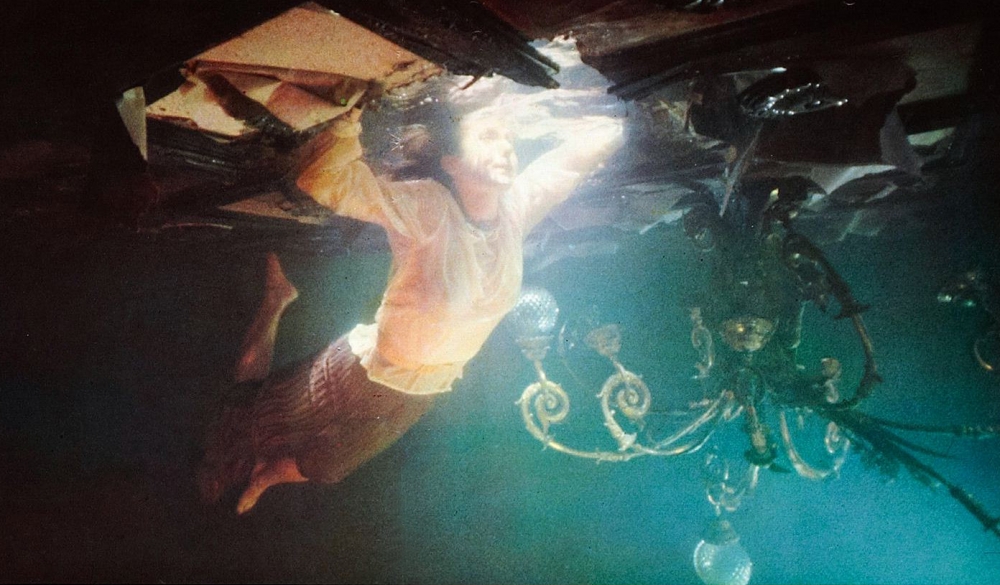
Not the best giallo in the world. Basically a series of Final Destination style curse deaths but viewed through Argento’s vivid lighting, otherworldly set design and manic score. That makes this often random mess sound better than it is. The mystery is nearly always impenetrable, and the most shocking moments of violence are either just too surreal or nauseating. The rat attack set piece involving a walking on water hamburger cook has to be seen to believed but best forgotten once experienced. A master of horror goes slightly tone death modulating his histrionic house style. Seen as that, in Inferno we have a forgivable curio.

5

Stir Crazy (1980)

Sidney Poitier directs Gene Wilder, Richard Pryor and JoBeth Williams in this crime comedy where two tenderfoot theatre nerds find themselves in a state penitentiary for a bank robbery they didn’t commit.

The lucrative alliance of Pryor and Wilder is one of the best things to happen to blockbuster comedy. They had cracking chemistry, matching each other onscreen in commitment and love-ability. Just seeing them paired on a quad poster together promises great things, big yucks. Shame that they never actually found a project that took this concrete foundation as a starting block to build up to greatness rather than a fallback to deliver a so-so product. Stir Crazy, like any and all of their packages, is unfocused and often unfunny. The script lacks jokes, the plot is all over the shop… Hell, the movie gives up on the prison setting 10 minutes after they arrive and impatiently sets it sights on moving the whole cast off to a rodeo finale. We have a late in the day romantic interest shoehorned in long, long after we haven’t noticed the lack of such a device. And as for the resolution… I’m pretty certain even most Hollywood comedies’ version of the how the real world works doesn’t tally with the swiftly achieved “happy ending”. But you do get street wise Pryor and bundle of neuroses Wilder larking about. Even when the lines and the situation fail them, they are magic. In an alternative universe that value would be mined for a series of ⭐️⭐️⭐️⭐️⭐️ classics rather than a handful of now slightly baffling box office smashes.

7

The Front Runner (2018)

Jason Reitman directs Hugh Jackman, Vera Farmiga and J.K. Simmons in political true story following Gary Hart, a presidential hopeful, who polled strongly in the 1980s until his extra marital activities were revealed by the press.

Hugh Jackman is fine in the central role convincing both as a man who could be the next Kennedy and sadly was like a Kennedy, just very much in the wrong decade. Reitman continues to direct films that are mature, politically astute and inhabit their subcultures fully. This one just never comes to life though. Just when the drama appears to be building up a head of steam… everyone just gives up. Roll credits. Frustrating…

5

Ludwig (1973)

Luchino Visconti directs Helmut Berger, Romy Schneider and Silvana Mangano in this biopic about the life and death of King Ludwig II of Bavaria, an eccentric ruler eventually dethroned for his tastes and passions.

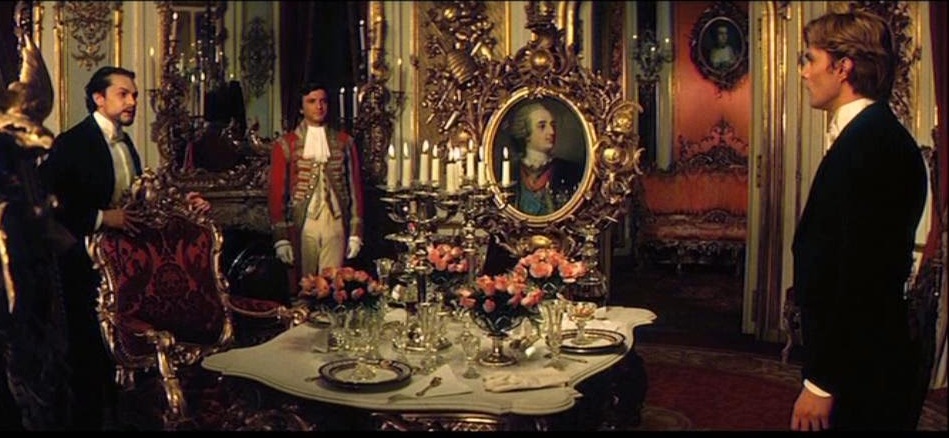
Grand, decadent, often ornately beautiful but deathly boring. Goes on forever, interminably, with very rare flashes of tangible drama.

3

Shadows (1959)

John Cassavetes directs Ben Carruthers, Lelia Goldoni and Hugh Hurd in this indie drama about three black siblings navigating the Beat Generation in New York.

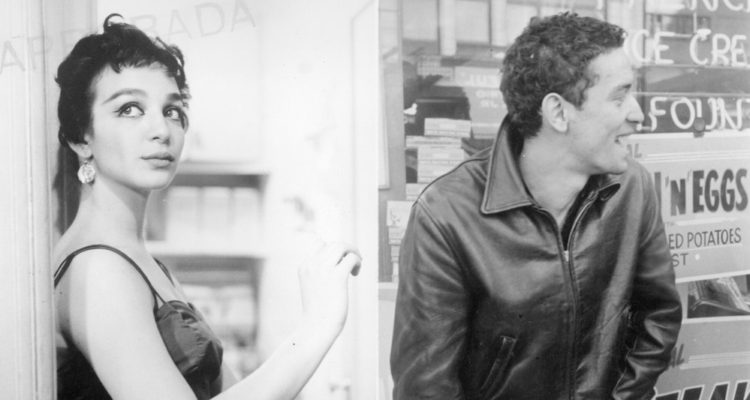
You could say this is the film that gave birth to American Independent cinema. A melodrama made far out of the Hollywood studio system that focussed on milieu and character rather than genre and plot. It is scrappy by today’s standards. And I’m not sure the voice it gives its black ensemble is particularly authentic. Better watched as a museum piece than as a relevant or artistically exciting piece of cinema.

5